


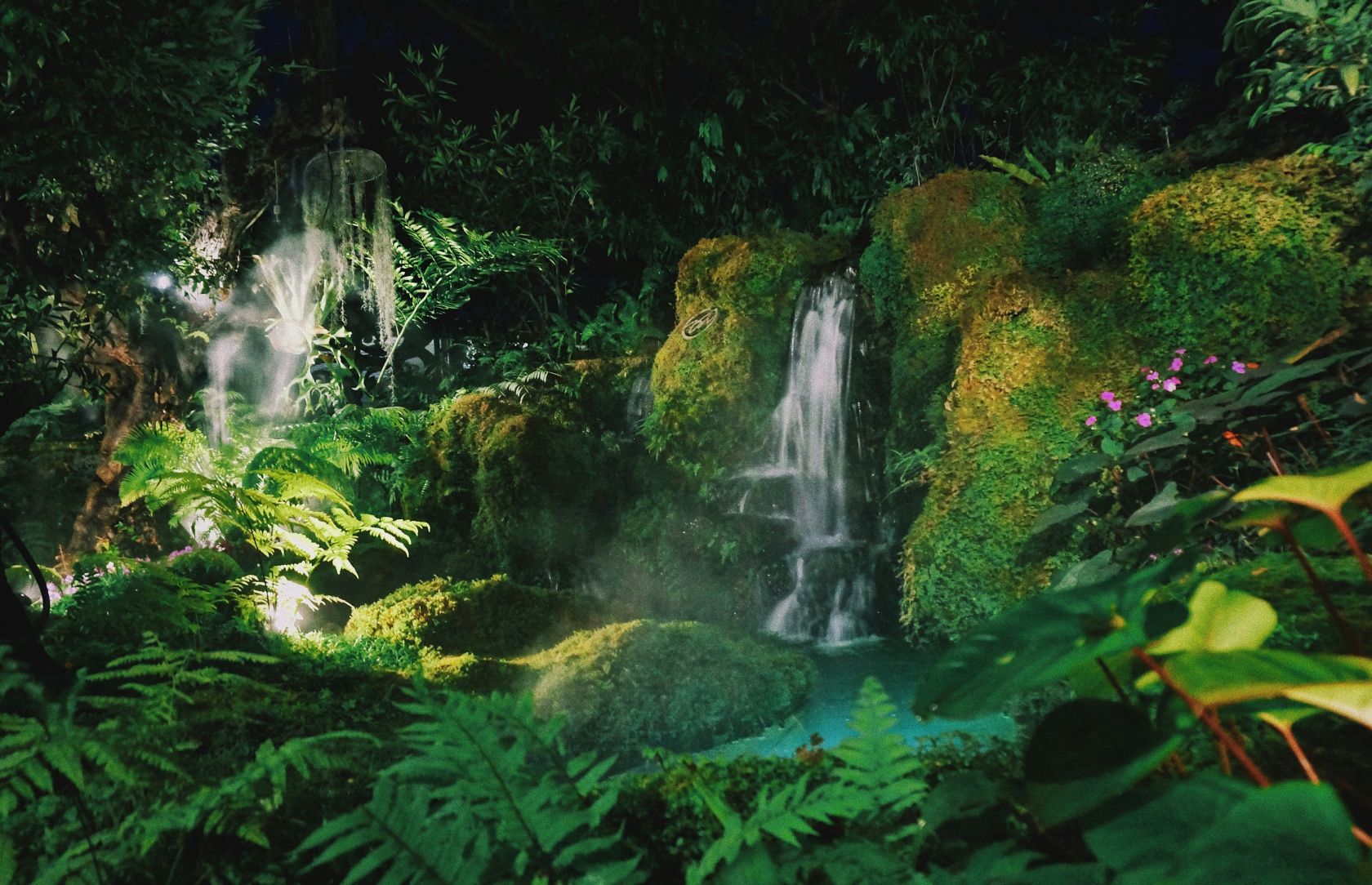
Chagras combine environmental, social and cultural traditions, with families growing dozens of food, fruit and medicinal plant species in a single plot. After five or six years, cultivated plots are returned to the rainforest, allowing forests to regenerate naturally.
Set The Portugal News as your preferred source for news on Google
 Add as a preferred source on Google






 Portugal Handbook
 English
 Nederlands
 Deutsch
 Français
 Español
 Italiano
 Svenska
 Pусский
 中文
中文 Türkçe
 Português
 Czech
Czech Hungarian
 Polski
 عربي
عربي Suomi
Suomi עִברִית
 Português (Brasil)
Follow us on social media