


Last April, it was announced that more than 61,000 digitised cultural assets from Portuguese museums, monuments, palaces, and archaeological sites were available online for anyone, anywhere in the world, to view.
The digitised cultural assets, as well as virtual tours of buildings, including museums, monasteries, and archaeological sites, could then be accessed through two websites: https://arquiva.patrimoniocultural.gov.pt/ or https://makingof360.patrimoniocultural.gov.pt/.
However, it was already known that this content would later be made available on an online portal, which was being finalised.
The Ministry of Culture indicates that this Cultural Heritage 360® portal (360.patrimoniocultural.gov.pt) is now available, bringing together immersive virtual tours, multimedia content, and more than 60,000 digitised movable cultural assets, using technologies such as high-resolution photography, photogrammetry, laser scanning, and 3D modelling.
"It is a project that puts the knowledge, history and identity of our country within everyone's reach, regardless of their geographical location, while reinforcing the preservation and transmission of this legacy to future generations," said the Minister of Culture, Youth and Sports, Margarida Balseiro Lopes, quoted in the statement.
The digitised cultural assets were previously chosen by the directors of museums, monuments, palaces and archaeological sites, and among them are assets classified as "national treasure" and assets of various scales, typologies and materials, such as a small piece of goldsmithing, a piece of clothing, a painting, a photograph or a sculpture weighing several tons.
The portal allows you to search by theme, location, or historical period.
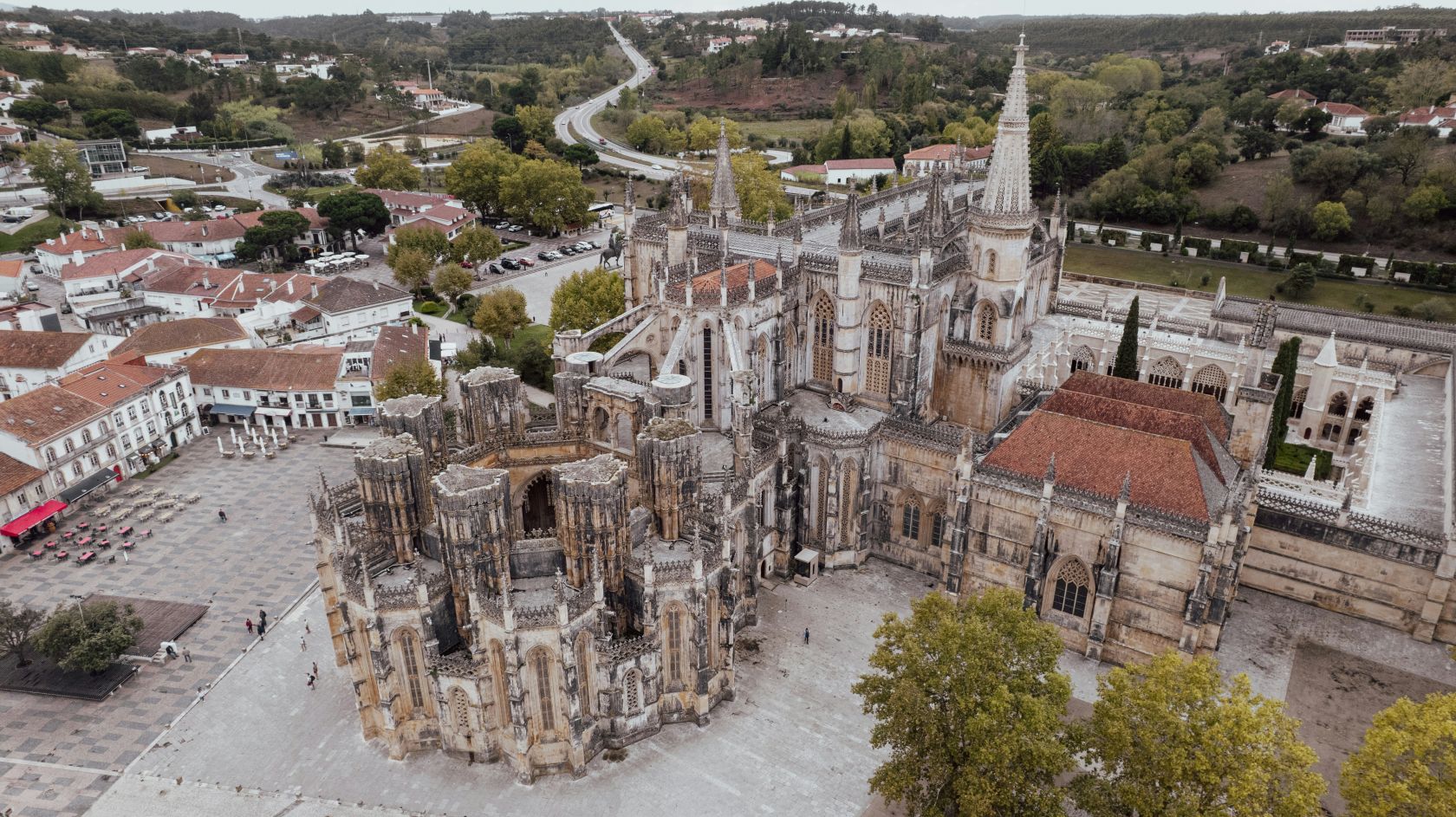
According to the Ministry of Culture, it features 232 national treasures and offers 67 virtual tours of 90 heritage sites in 45 municipalities across 17 districts, including the Batalha Monastery, Évora Cathedral, Mafra National Palace, Sagres Fortress, and the National Museum of Music.
The “Cultural Heritage 360” project was funded by the Recovery and Resilience Plan (PRR), with approximately €14.4 million.
 Add as a preferred source on Google





 Portugal Handbook
 English
 Nederlands
 Deutsch
 Français
 Español
 Italiano
 Svenska
 Pусский
 中文
中文 Türkçe
 Português
 Czech
Czech Hungarian
 Polski
 عربي
عربي Suomi
Suomi עִברִית
 Português (Brasil)
Follow us on social media