


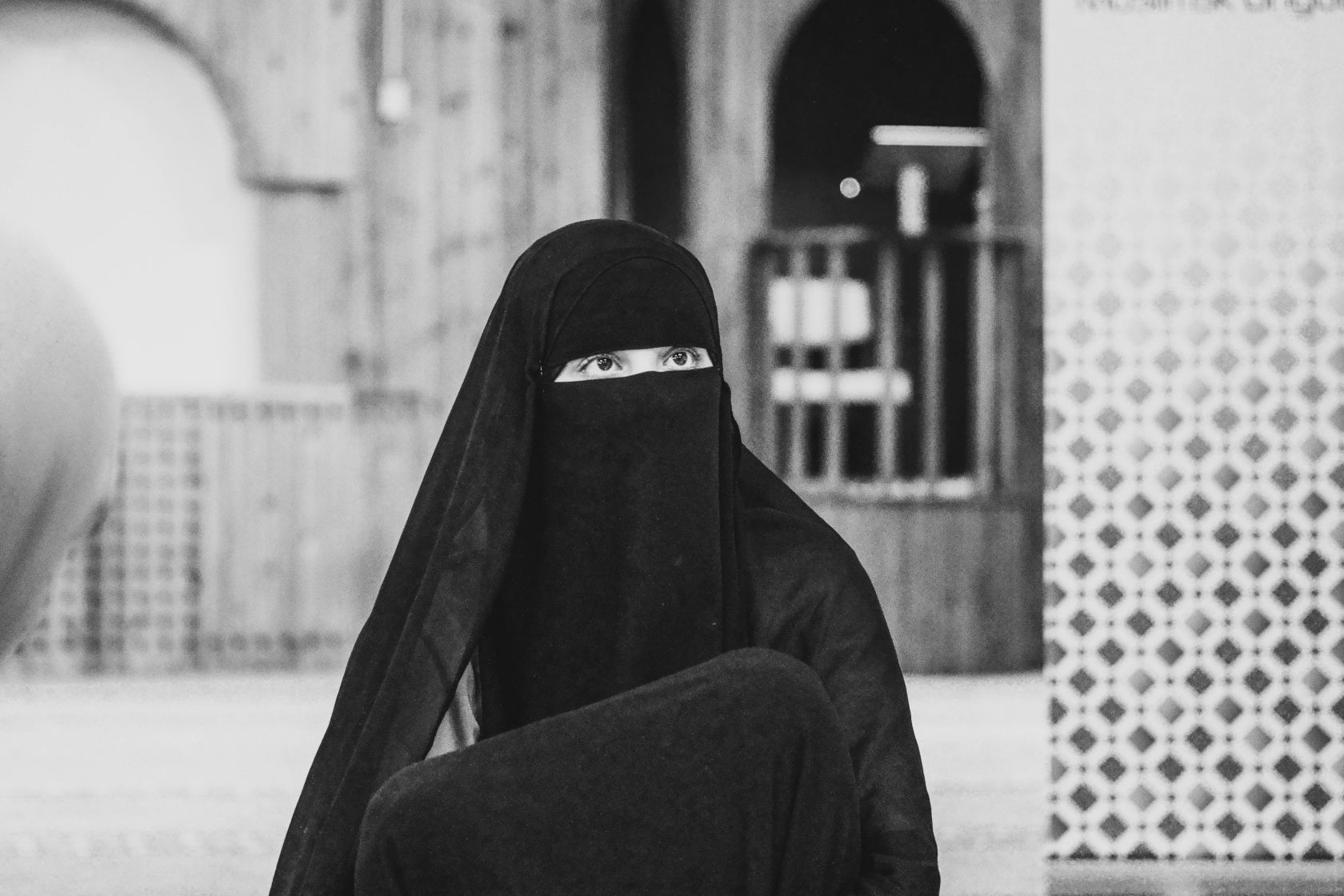
Known during the parliamentary debate as the “burqa law”, Law 58/2026 does not specifically refer to burqas or religious clothing, but bans the use in public spaces of clothing intended to conceal or obstruct the display of the face.
The legislation applies to public roads, open public spaces, public service facilities and locations where services generally accessible to citizens are provided, as well as events, sporting activities and demonstrations.
Permitted exemptions
In accordance with the law, covering the face is permitted when justified by health or professional reasons, as well as for artistic, entertainment or advertising purposes.
The legislation also allows face coverings for security reasons, due to weather conditions or where another legal provision permits them.
Furthermore, aeroplanes, diplomatic and consular premises, places of worship and other sacred sites are excluded from the rules.
Financial penalties
The financial penalties depend on whether the offence is considered negligent or deliberate.
Negligent violations can result in a fine of between €150 and €750, while deliberate offences carry fines ranging from €400 to €3,000.
Police forces will enforce the law and record alleged offences, as the relevant municipal council handles the proceedings and decides on the fine.
Moreover, the legislation introduces a separate offence for forcing another person to cover their face.
Anyone who does so through threats, violence, coercion or abuse of authority or power can face up to two years in prison or a fine of up to 240 days, and the penalty increases by one third when the victim is under 18-years-old.
Public security
This law originated with a Chega proposal submitted in 2025, initially framed around prohibiting face coverings associated with Islamic dress, but the wording was later changed during negotiations with the PSD to place greater emphasis on public security.
Parliament approved the final version on 17 July, with votes in favour from PSD, Chega, Iniciativa Liberal and CDS-PP, while left-wing parties voted against it, and PAN MP Ines de Sousa Real abstained.
President António José Seguro promulgated the legislation on 18 August, describing the issue at the time as one of “great social and cultural sensitivity”, while saying that considerations including social integration, gender non-discrimination and security had supported his decision.
 Add as a preferred source on Google







 Portugal Handbook
 English
 Nederlands
 Deutsch
 Français
 Español
 Italiano
 Svenska
 Pусский
 中文
中文 Türkçe
 Português
 Czech
Czech Hungarian
 Polski
 عربي
عربي Suomi
Suomi עִברִית
 Português (Brasil)
Follow us on social media