


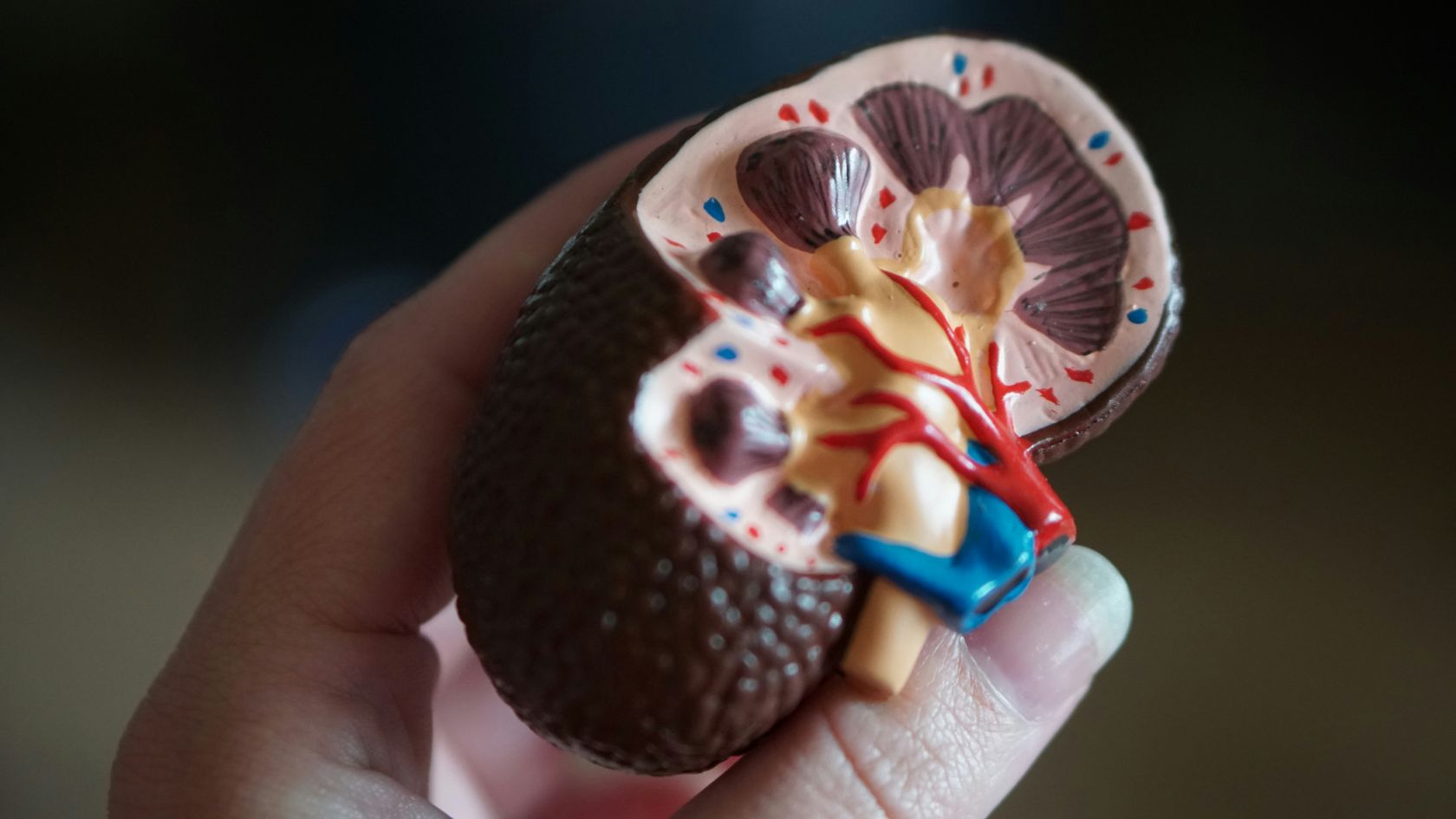
Cristina Jorge, in response to the Lusa news agency, says that out of a total of 948 transplants performed in the country in 2025, 70 were heart transplants and 90 were lung transplants, a record that proved that "it was a good year" in terms of transplants, but also in terms of organ procurement.
On National Organ Donation and Transplant Day, which is celebrated today, the doctor said that last year there were 370 donors and 877 organs were harvested from deceased donors, a number that remains insufficient to meet the needs of patients on transplant waiting lists in various areas.
“In recent years, the numbers have been high, but they still don't cover all the needs,” highlighted the president of the SPT, pointing to the example of kidney transplants, the most performed in Portugal, but which have a waiting list that has varied between 1,800 and 1,900 patients in recent years.
In 2025, a total of 525 kidney transplants were performed in Portugal, of which 88 were from living donors, which also represented the highest number ever of living donor kidney transplants in Portugal, said Cristina Jorge, acknowledging that “the main bottleneck” is the lack of organs to meet the needs of all patients requiring a transplant.
The president of the SPT stressed that transplantation also entails a logistical transport process that requires collaboration among various entities, such as INEM, the Air Force, and the security forces, which begins with the identification of a potential donor.
“There is a network that all works towards the same goal,” the doctor highlighted, adding that the results achieved in this area are also due to “the bravery and resilience” of the healthcare professionals on the ground, especially since these are very complex patients from a medical follow-up perspective.
The president of the SPT also warned that many patients continue to be monitored in the health units where they were transplanted, which sometimes requires them to travel long distances just to have a specific analysis or medical examination.
“It would be much easier if patient follow-up could be decentralised,” allowing examinations to be carried out near their areas of residence in the public or private sectors, argued Cristina Jorge, who acknowledged that training professionals in more peripheral hospitals for this purpose “is demanding and time-consuming.”
As one of the major challenges in this area, the president of the SPT highlighted the need to improve the quality of organs after harvesting, a goal that can be achieved through existing technological innovations, thereby making organs that would previously be discarded eligible for transplantation.
 Add as a preferred source on Google





 Portugal Handbook
 English
 Nederlands
 Deutsch
 Français
 Español
 Italiano
 Svenska
 Pусский
 中文
中文 Türkçe
 Português
 Czech
Czech Hungarian
 Polski
 عربي
عربي Suomi
Suomi עִברִית
 Português (Brasil)
Follow us on social media