


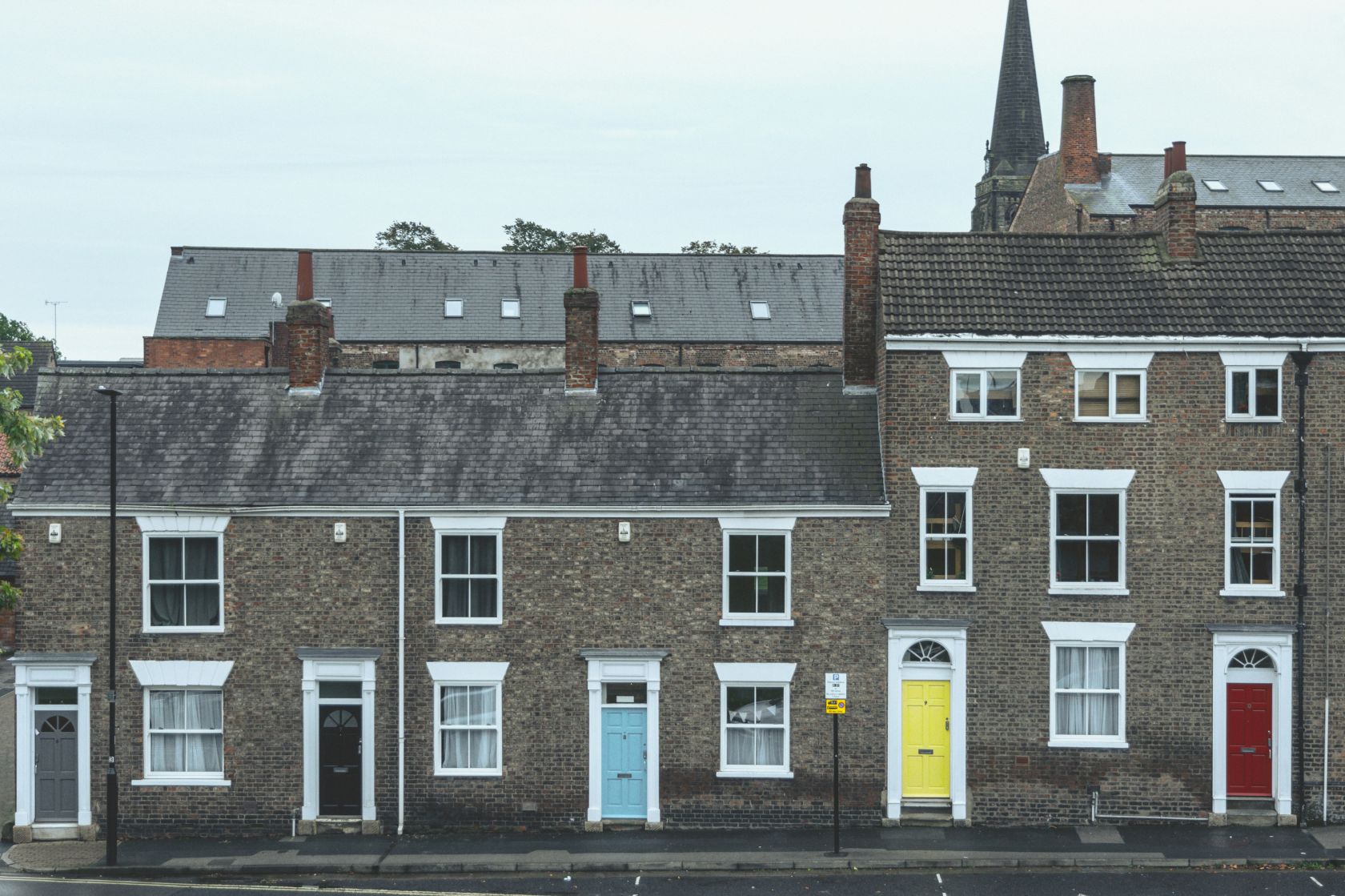
The housing money is the first major allocation from the government’s £39 billion Social and Affordable Homes Programme, which will run for ten years.
More than 70,000 homes are expected from this first round of funding. The money will go to 33 strategic partners, including councils and housing associations, with around 60% of the homes expected to be offered at Social Rent, the lowest-cost form of regulated rented housing.
Prime Minister Andy Burnham has put council housebuilding firmly on the agenda since taking office in July.
Councils will now be able to become strategic partners with Homes England, giving them better access to long-term funding for new homes. Housing associations will continue to play a big part too.
The numbers show just how much council housebuilding has changed over the decades. According to figures cited by Idealista, councils built around 10,500 homes last year. Back in the 1950s, the average was closer to 190,000 a year, falling to around 130,000 annually during the 1970s.
Changes to Right to Buy
There is also the question of what happens to those homes once they have been built.
The government plans to stop newly constructed social homes being sold under Right to Buy for their first 35 years.
Right to Buy was introduced nationally under Margaret Thatcher’s government in 1980 and allows eligible council tenants to buy their homes at a discount. More than two million homes have since been sold through the scheme.
The problem, according to its critics, is that not enough replacement homes were built. The result has been a much smaller pool of council housing available to rent.
The government now wants councils building again, but without seeing those new homes quickly leave the social housing system.
And what about the pubs?
There is another very British part of the plans: protecting the local pub.
Pubs already have some protection under England’s planning system, particularly when they are recognised as important community assets. The government is now looking at ways of making it harder for valued local buildings to be demolished or converted to other uses.
In some areas, owners already have to show that a pub is genuinely no longer viable before they can get permission to turn it into housing, offices or shops. Depending on the local council, that can mean proving the business has been properly marketed for at least 12 months.
There is money on the table for communities that want to save their local too.
A £61 million Community Right to Buy Fund is intended to help people take over pubs, shops and other buildings threatened with closure. It sits within a wider £301 million package for high streets and community ownership.
Britain has been losing pubs for years, particularly in smaller communities where they can be much more than somewhere to have a drink.
The housing problem is different, but the thinking behind the two policies isn’t entirely unrelated. In both cases, the government is trying to stop something considered valuable to a community from simply disappearing.
For social housing, that means building more of it and keeping those homes in the system for longer. For the pub down the road, it could mean giving locals a better chance of keeping the doors open.
 Add as a preferred source on Google







 Portugal Handbook
 English
 Nederlands
 Deutsch
 Français
 Español
 Italiano
 Svenska
 Pусский
 中文
中文 Türkçe
 Português
 Czech
Czech Hungarian
 Polski
 عربي
عربي Suomi
Suomi עִברִית
 Português (Brasil)
Follow us on social media