


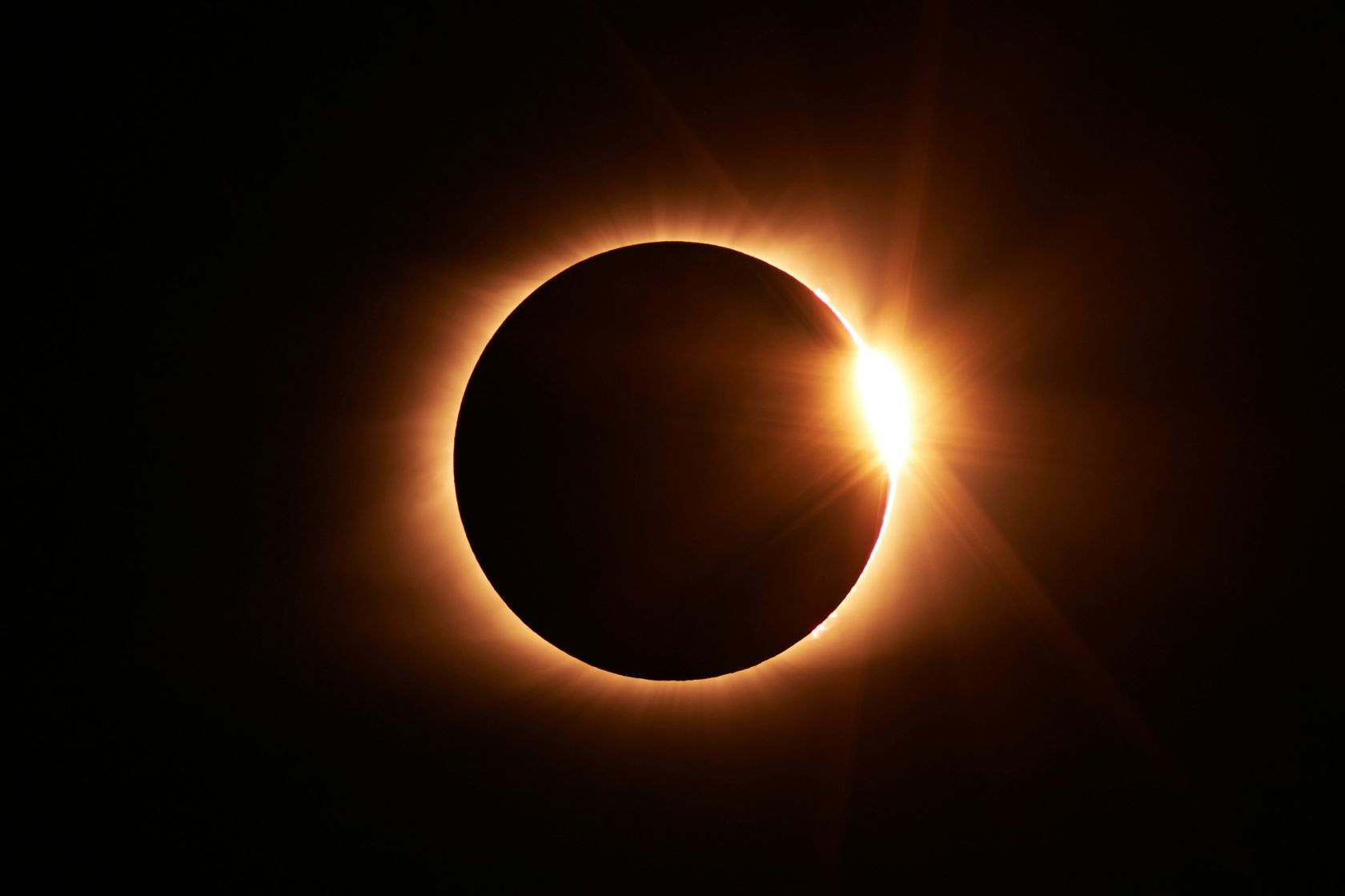
The eclipse is expected to attract visitors from across Spain and neighbouring countries, with the best views forecast across Asturias, Cantabria, the Basque Country, Navarra, La Rioja, Aragón and Catalonia. Because of the large number of people expected, Spain's Directorate-General for Traffic (DGT) has announced a number of measures aimed at keeping traffic moving and reducing the risk of accidents.
Drivers are being warned not to stop on motorways, hard shoulders or bridges to watch the eclipse, as this could put both themselves and other road users in danger. Additional traffic controls will also be in place, while some roads will be subject to temporary restrictions.
Some regions are introducing their own measures. In the Basque Country, heavy goods vehicles over 7.5 tonnes will face traffic restrictions on 12 August unless they have been granted an exemption. Valencia is also preparing for large crowds by restricting access to parts of the Albufera Natural Park and increasing the presence of police officers and emergency services.
In La Rioja, authorities are introducing temporary restrictions on vehicles using forest tracks as a precaution against wildfires, while also encouraging visitors to plan their journeys in advance.
Although the largest crowds are expected in Spain, many people are also likely to travel from neighbouring Portugal to experience the eclipse. Anyone planning a day trip is advised to set off early, allow extra time for the journey and check traffic updates before travelling, as popular viewing areas are expected to become much busier than usual.
Authorities are also reminding people to use certified eclipse glasses. Looking directly at the sun without proper eye protection, even for a short time, can cause permanent eye damage.
 Add as a preferred source on Google







 Portugal Handbook
 English
 Nederlands
 Deutsch
 Français
 Español
 Italiano
 Svenska
 Pусский
 中文
中文 Türkçe
 Português
 Czech
Czech Hungarian
 Polski
 عربي
عربي Suomi
Suomi עִברִית
 Português (Brasil)
Follow us on social media