


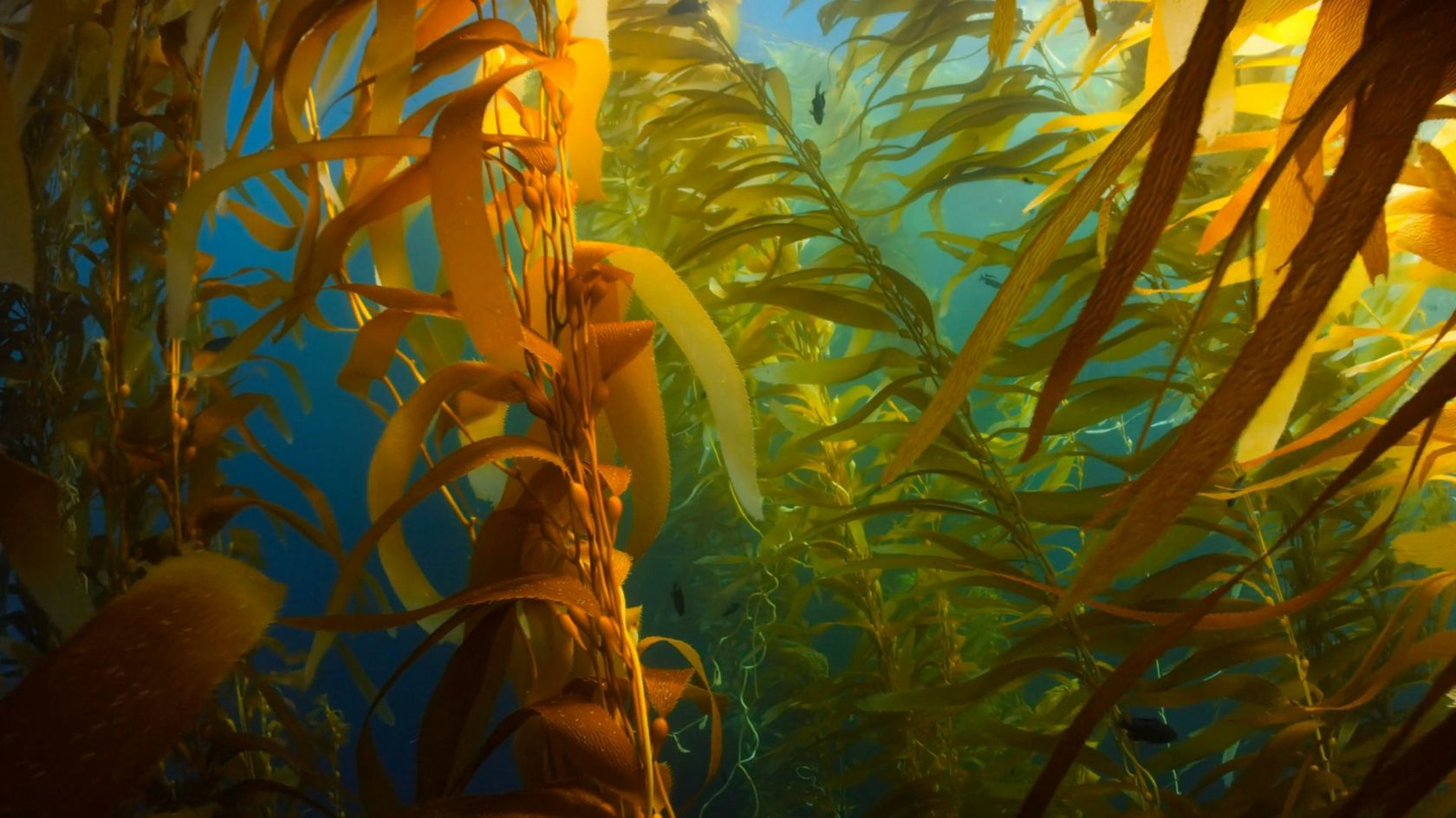
With measures such as satellite surveillance, underwater sensors, and new removal methods, the “National Action Program for the Control of the Invasive Macroalga Rugulopteryx okamurae 2026-2030” implements a strategy that was approved last year.
The Ministry of Environment and Energy (MAEN) released the information in a statement in which Minister Maria da Graça Carvalho said that “it is not realistic to promise the eradication” of the algae.
The Ministry also says that, because of the species' characteristics and the extent of its spread, eradication is practically impossible.
Therefore, the action program aims to monitor, contain, and mitigate, responding quickly to contain new areas of invasion and reducing the impacts where the algae are already established.
To strengthen preparedness in responding to the algae, the program foresees, for example, creating a National Georeferenced Database (WebGIS), installing surveillance stations at strategic points, deploying remote cameras in critical zones, and using satellite imagery and unmanned aerial vehicles.
In the fight against algae, on-the-ground solutions will be adapted to the location and will range from manual and mechanical removal to extraction in the water column and the installation of containment or deflection barriers.
According to the Government, the program also includes procedures for the watertight transport and temporary land storage of the collected biomass.
It also foresees the development and testing of sustainable removal methods, the assessment of the environmental and economic impacts of the species, tests of ecological restoration of ecosystems after removal, and the study of the potential for valorisation of the collected biomass.
In addition to training and awareness-raising actions aimed at the communities involved (from fishing to tourism or bathing areas), the plan includes creating a communication channel with Spain and other countries where the invasive algae occurs.
The aim, according to the minister, is "to move from punctual interventions to a national action, based on science, prevention, early detection and response capacity".
According to the Ministry, the potential routes of dissemination of the algae are ballast water, encrustations on vessel hulls, fishing equipment, aquaculture, and natural dispersal.
"Rugulopteryx okamurae" is a brown algae native to the North Pacific and is included in the list of invasive exotic species that are of concern in the European Union.
In mainland Portugal, the first records in the Algarve date back to 2021, but the algae has already spread along the Alentejo coast. Since 2024, it has also been in the Cascais area. In the Azores, where it was first identified in 2019, it is already present on eight of the nine islands. Impacts on marine ecosystems and economic activities include reduced catches, damage to fishing gear, loss of beach attractiveness, and additional costs borne by municipalities to remove accumulated biomass.
"We want to protect marine ecosystems and, at the same time, reduce the impacts on fishermen, municipalities, tourism, and populations," said the minister.
 Add as a preferred source on Google





 Portugal Handbook
 English
 Nederlands
 Deutsch
 Français
 Español
 Italiano
 Svenska
 Pусский
 中文
中文 Türkçe
 Português
 Czech
Czech Hungarian
 Polski
 عربي
عربي Suomi
Suomi עִברִית
 Português (Brasil)
Follow us on social media