


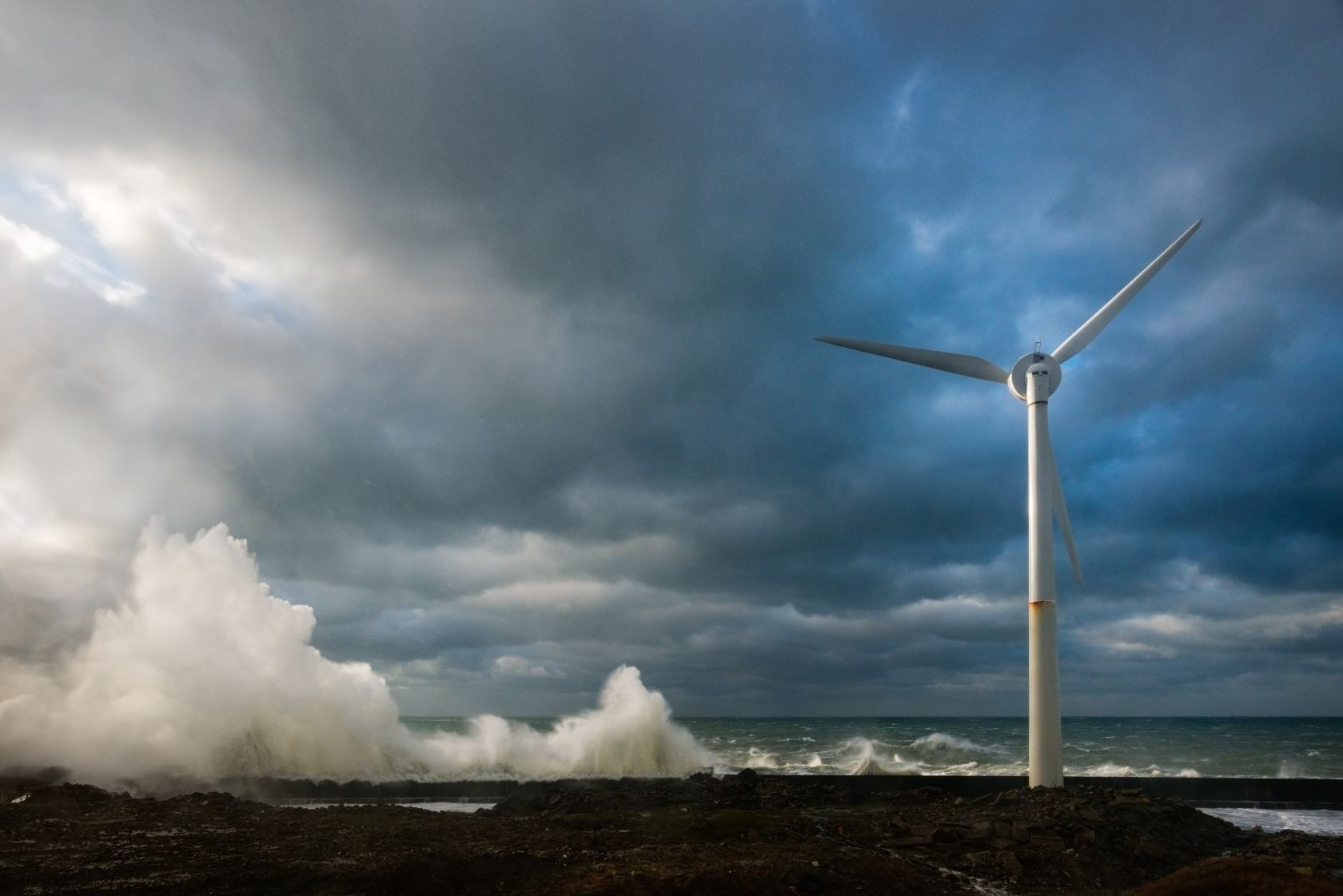
According to a statement from the Council of Ministers, the executive “approved a resolution increasing the budget of the ‘Resilient Territories’ program to €80 million; this program is dedicated to the recovery and resilience-building of riverfront areas and coastal zones affected by the storms and floods of January and February 2026, including Storm Kristin.”
“The measure expands the scope of eligible municipalities and increases by approximately €3.5 million the support to be distributed among the municipalities of Fronteira, Manteigas, Marvão, Nelas, and Santa Comba Dão, thereby strengthening their recovery capacity in the face of extreme weather events,” the note adds.
State contingency
An official source from the Ministry of Environment and Energy subsequently informed Lusa that, in addition to several program contracts already signed, the newly included municipalities are Albufeira, Alcoutim, Aljezur, Anadia, Baião, Belmonte, Castro Marim, Ferreira do Zêzere, Fronteira, Lagoa, Lagos, Manteigas, Marvão, Mealhada, Nelas, Portalegre, Portimão, Santa Comba Dão, Sever do Vouga, Silves, Tomar, Trofa, Vendas Novas, Góis, and Lousã.
The previously signed program contracts, the same source from Minister Maria da Graça Carvalho’s office explained, were intended for “urgent and priority works.” In contrast, the current ones are for non-urgent projects that are nonetheless “important for the population.”
The program targets municipalities covered by the state of contingency declared by the Government following this year’s “train of storms”—initially including 49 municipalities and later expanded to 82.
Territorial support
In April, the government approved a resolution providing €76.5 million in support for territories hardest hit by the January and February storms, specifically targeting water infrastructure and coastal areas.
The published resolution authorised the Environmental Fund to enter into program contracts “to finance restoration work in riverfront areas most severely affected by flooding and in affected coastal zones.”
Municipalities covered by the state of contingency could establish program contracts for the “reinforcement and maintenance of flood defence systems” and the “stabilisation and recovery of riverbanks and slopes.”
Also covered are the “repair and rehabilitation of bridges, walkways, and piers,” as well as “riverside trails, parks, and public-use infrastructure,” “dune reinforcement and rehabilitation and nature-based solutions,” “cliff stabilisation and risk mitigation,” and “sand replenishment and artificial nourishment.”
The municipalities of Caminha, Esposende, Olhão, Ponte de Sor, Tavira, Vila do Bispo, and Vila do Conde were included in the support for the “rehabilitation and reinforcement of hydraulic infrastructure.”
Affected regions
Portugal was struck by a succession of storms between 22 January and 15 February.
At least 19 people died following the passage of the low-pressure systems Kristin, Leonardo, and Marta, which also left hundreds of people injured and displaced.
The Central, Lisbon and Tagus Valley, and Alentejo regions were the most severely affected.
Set The Portugal News as your preferred source for news on Google
 Add as a preferred source on Google






 Portugal Handbook
 English
 Nederlands
 Deutsch
 Français
 Español
 Italiano
 Svenska
 Pусский
 中文
中文 Türkçe
 Português
 Czech
Czech Hungarian
 Polski
 عربي
عربي Suomi
Suomi עִברִית
 Português (Brasil)
Follow us on social media