


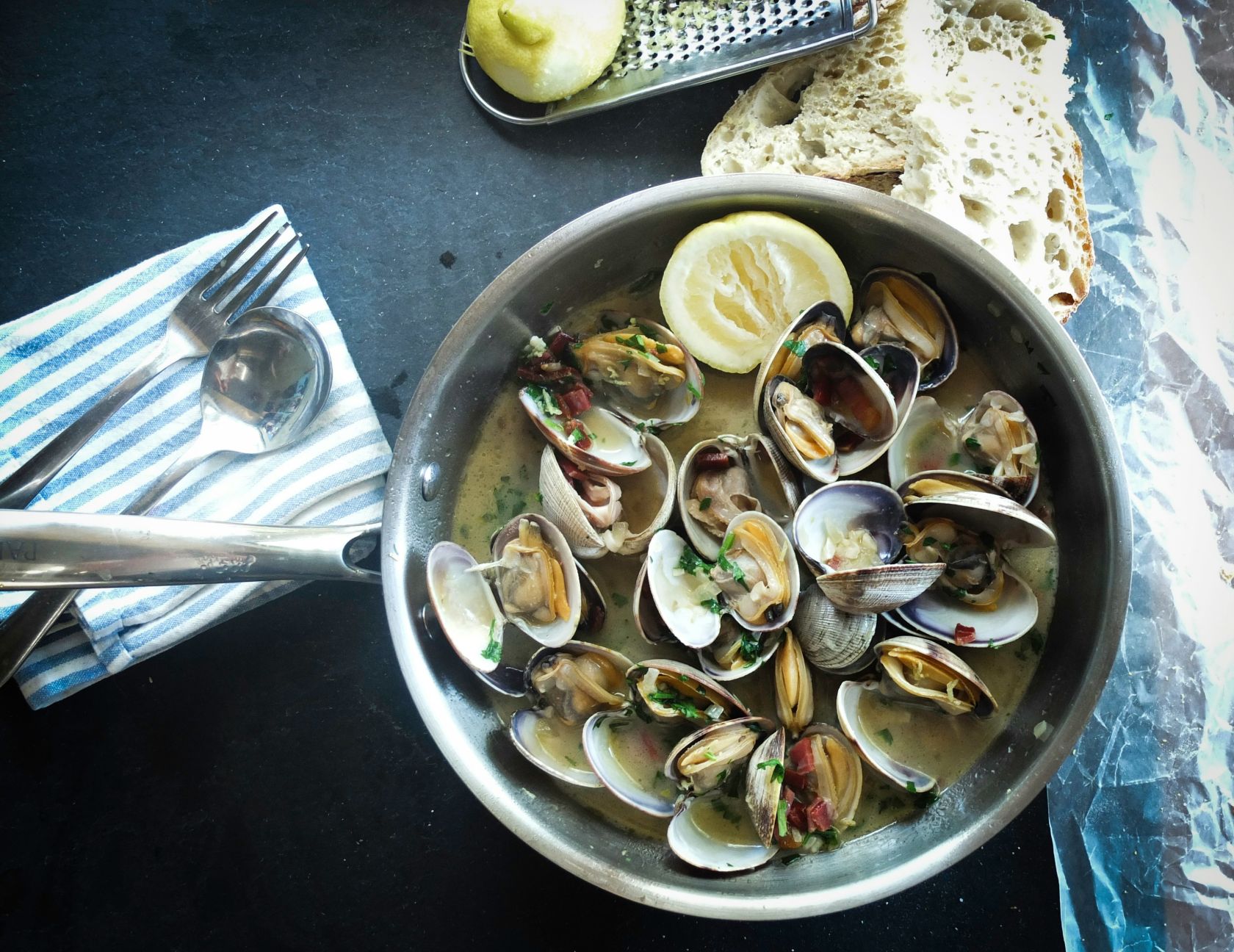
A notice published in the Diário da República regarding the rules for fishing on the TIRM for the 2026/2027 season stipulates that “all harvesting/catching of cockles and any other bivalves throughout the TIRM is prohibited, for public health reasons, until the necessary management measures have been approved and a health assessment of the resources has been carried out”.
When contacted by Lusa about the regulations, the harbour master of Caminha, in the district of Viana do Castelo, explained that this is a new provision for the coming season, while the remaining rules remain in place.
“Commercial harvesting of bivalves was not permitted, but recreational harvesting was allowed. However, the TIRM is not a bivalve production area, so it is not monitored by the Portuguese Institute of the Sea and the Atmosphere [IPMA] for the assessment of the condition of the bivalves,” explained Fernando Vieira Pereira, who is also commander of the Caminha Maritime Police.
The TIRM’s standing management committee is already “working on a plan to monitor and assess the condition of the bivalves”, he assured.
The notice “aims to regulate, for the 2026/2027 season, professional, recreational and fishing activities in the TIRM, including the islands within it, in order to ensure the conservation of habitats, within the scope of the powers conferred on the Permanent International Commission of the River Minho (CPIRM)”.
A natural border between the two countries, the international river serves as a natural border between Portugal and Galicia, in Spain, from Melgaço to its mouth at Caminha, in the district of Viana do Castelo.
It rises at an altitude of 750 metres in the Meira mountain range, in the Autonomous Community of Galicia, and flows for around 340 kilometres before emptying into the Atlantic Ocean.
Set The Portugal News as your preferred source for news on Google
 Add as a preferred source on Google






 Portugal Handbook
 English
 Nederlands
 Deutsch
 Français
 Español
 Italiano
 Svenska
 Pусский
 中文
中文 Türkçe
 Português
 Czech
Czech Hungarian
 Polski
 عربي
عربي Suomi
Suomi עִברִית
 Português (Brasil)
Follow us on social media