


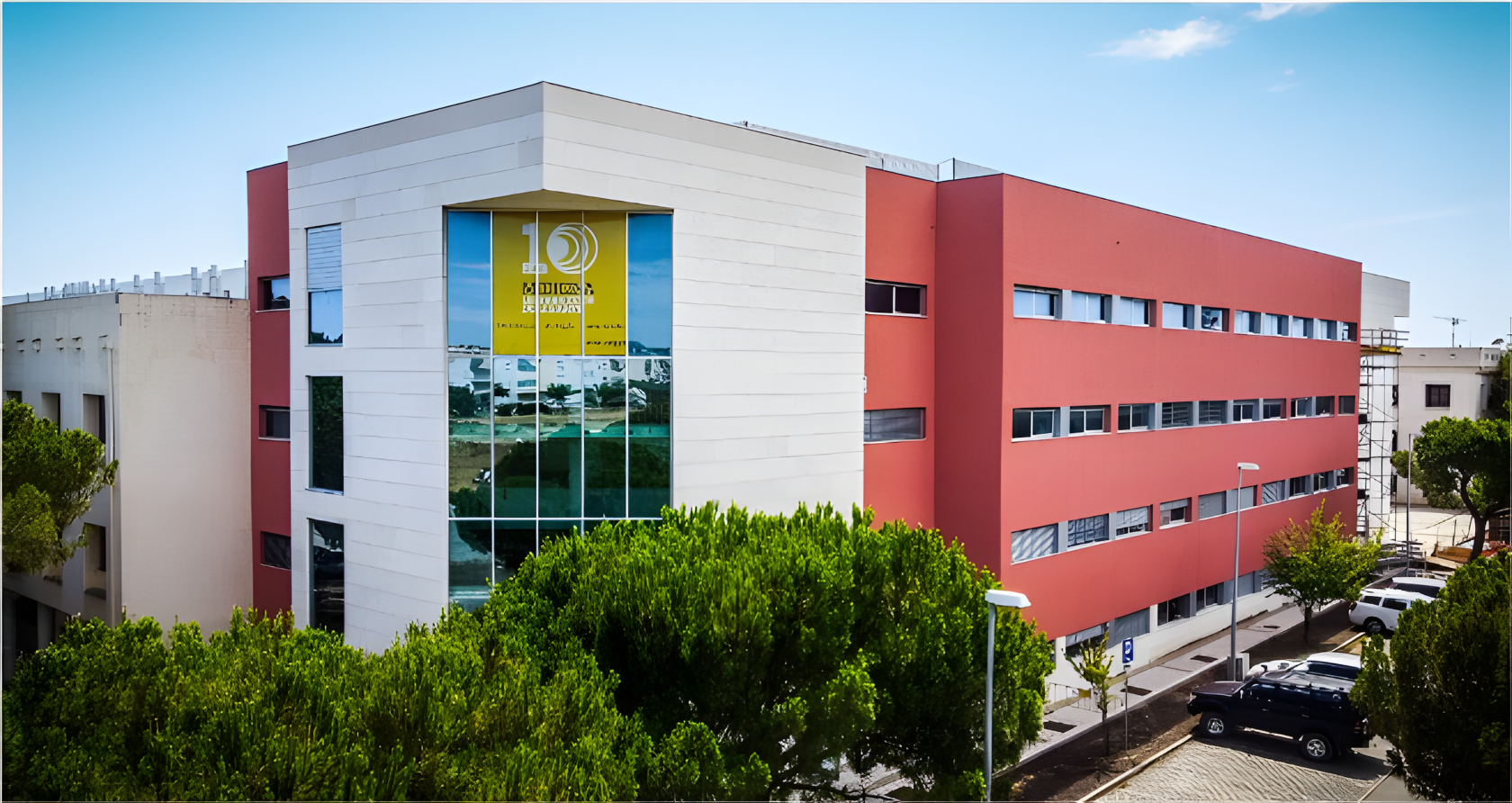
My vision is not to reinvent the wheel, but to refine it - to strengthen what works, to correct what needs to be updated, and to propel the FMCB toward a future where high-quality training in medicine and biomedical sciences is inseparable from a deep sense of humanism. This is what will continue to set us appart from machines – at least for now.
The Algarve is a region of extraordinary beauty, cultural richness, and social diversity. It is also a region facing significant healthcare challenges, particularly in primary care. Our faculty has a unique opportunity, and indeed a responsibility, to train physicians and biomedical scientists who are not only technically excellent but also deeply committed to serving communities with compassion, integrity, and a sense of mission.
Building on a Strong Foundation
The FMCB has come a long way since its inception. Under the leadership of previous directors, the faculty established a modern and robust curriculum, fostered important research collaborations, and began to carve out a niche in areas such as clinical simulation and community-based learning. I am deeply grateful for this foundation. My role is to honor it by ensuring continuity where it serves us well, and by having the courage to innovate where necessary.
One of my first priorities is to stabilize and consolidate the academic and administrative structures that support our students and staff. Stability is not an end in itself: it is a precondition for growth. Only when our internal processes are reliable and our community feels secure, can we confidently reach outward — to attract international students, to forge new partnerships, and to launch ambitious research projects.
Humanism at the Core of Medical Training
Medicine is, at its heart, a human endeavor. It is about listening to patients, understanding their stories, and alleviating suffering with both skill and empathy. Too often, modern medical education emphasizes technical proficiency at the expense of humanistic values. At the FMCB, we want to combine both.
Our curriculum will continue to emphasise scientific rigor and clinical excellence, through problem-, case-, and team-based learning approaches, but it will also integrate training in communication, ethics, cultural competence, and social determinants of health.
This humanistic approach is not a luxury: it is essential to producing physicians who will stay in the Algarve, who will choose primary care, and who will view their work not merely as a job but as a calling.
A Vibrant, International, and Engaged Student Community
I want the FMCB to be a place where students feel energised, supported, and connected, not only to their peers and professors but also to the region itself. We will work to create a vibrant campus life, with opportunities for extracurricular engagement, community service, and interdisciplinary collaboration. And we are already working on this.
Attracting international students is also a key strategic goal. The Algarve is already a destination for people from around the world, and our faculty should be too. We will actively recruit students from Europe, Latin America, Africa, and beyond, offering them not only excellent education but also a welcoming environment in which to live, learn and thrive.
Through partnerships with local health centers, municipalities, and civil society organisations, we will create opportunities for students to participate in community health projects, public health initiatives, and outreach programmes. This will not only enrich their education but also help them develop a sense of belonging and purpose in the Algarve. Our region has all the ingredients to become a Health Valley where different stakeholders work together, and from where Portugal can, once again, reach out to the world.
Training Primary Care Physicians with a Sense of Mission
One of the most pressing healthcare needs in Portugal—and indeed in many parts of the world—is the shortage of primary care physicians. At the FMCB, we are committed to addressing this challenge head-on. We are confident that our training programmes can inspire students to consider careers in family medicine and general practice, emphasising the intellectual richness, relational depth, and societal impact of primary care.
This will require more than just rhetoric. We will work to create attractive career pathways, including mentorship programmes, research opportunities in primary care settings, and partnerships with regional health authorities to ensure that our graduates have meaningful and supported roles upon completion of their training.
Excellence in Research: Translating Discovery into Impact
Research is a core pillar of our faculty's identity. As a neuroscientist with a long-standing commitment to translational research, I understand the importance of bridging the gap between bench and bedside. At the FMCB, we will promote excellent research projects that address real-world health challenges, particularly those relevant to the Algarve and to Portugal more broadly. The ABC-Ri, our research arm, is the perfect way to achieve this.
We will encourage interdisciplinary collaboration, foster links with international research networks, and create an environment where curiosity-driven inquiry is valued alongside applied research. Importantly, we will involve students in research from an early stage, helping them to develop critical thinking skills and a mindset of lifelong learning.
Our research agenda will be guided by a simple principle: that scientific excellence and social relevance are not mutually exclusive but mutually reinforcing. By pursuing both, we can ensure that our work has impact—not only in academic journals but also in clinics, communities, and policy.
A Call to Our Community
This vision cannot be realised by the director alone. It requires the active participation and commitment of our entire community — faculty, staff, students, alumni, and partners. I invite each of you to join me in this endeavour: to share your ideas, to challenge assumptions, and to work together toward a common goal.
The FMCB has the potential to become a model of what medical and biomedical education can be in the 21st century: rigorous yet compassionate, local yet global, innovative yet grounded in timeless values. Let us seize this opportunity—to build a faculty that is not only respected for its academic achievements but also loved for its humanity.
The Algarve deserves nothing less. And so do our patients.
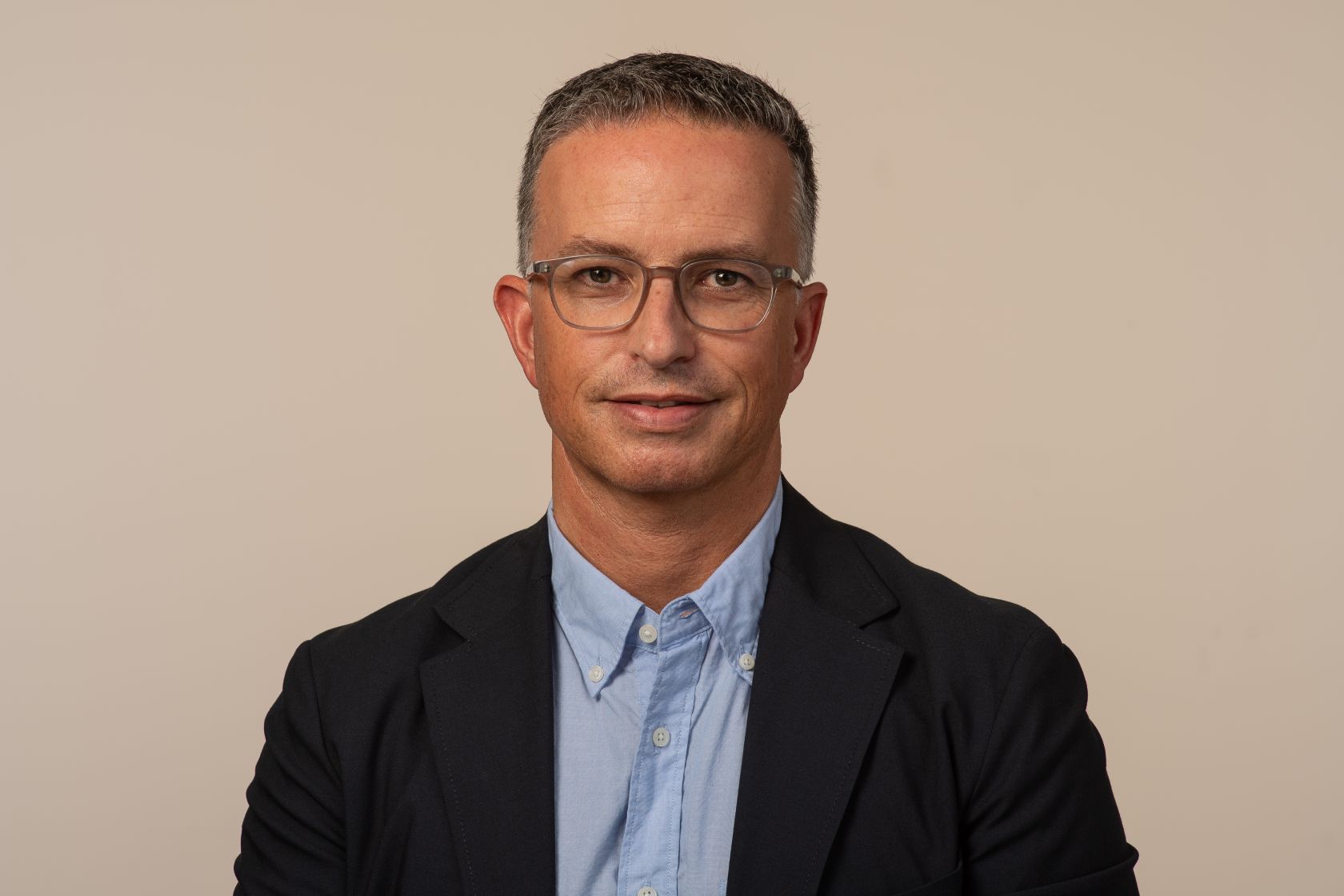
By Tiago Fleming Outeiro, Director of the Faculty of Medicine and Biomedical Sciences, University of the Algarve
Set The Portugal News as your preferred source for news on Google
 Add as a preferred source on Google






 Portugal Handbook
 English
 Nederlands
 Deutsch
 Français
 Español
 Italiano
 Svenska
 Pусский
 中文
中文 Türkçe
 Português
 Czech
Czech Hungarian
 Polski
 عربي
عربي Suomi
Suomi עִברִית
 Português (Brasil)
Follow us on social media