



Your sofa is unlikely to be the only reason your back hurts. Still, its shape, the support it gives you and the time you spend in one position can all play a part.
Start with how you sit
Next time you settle in, notice where your body ends up after a few minutes. Can you lean against the backrest while keeping your feet comfortably on the floor? Or do you slide forward so that your lower back has nothing behind it?
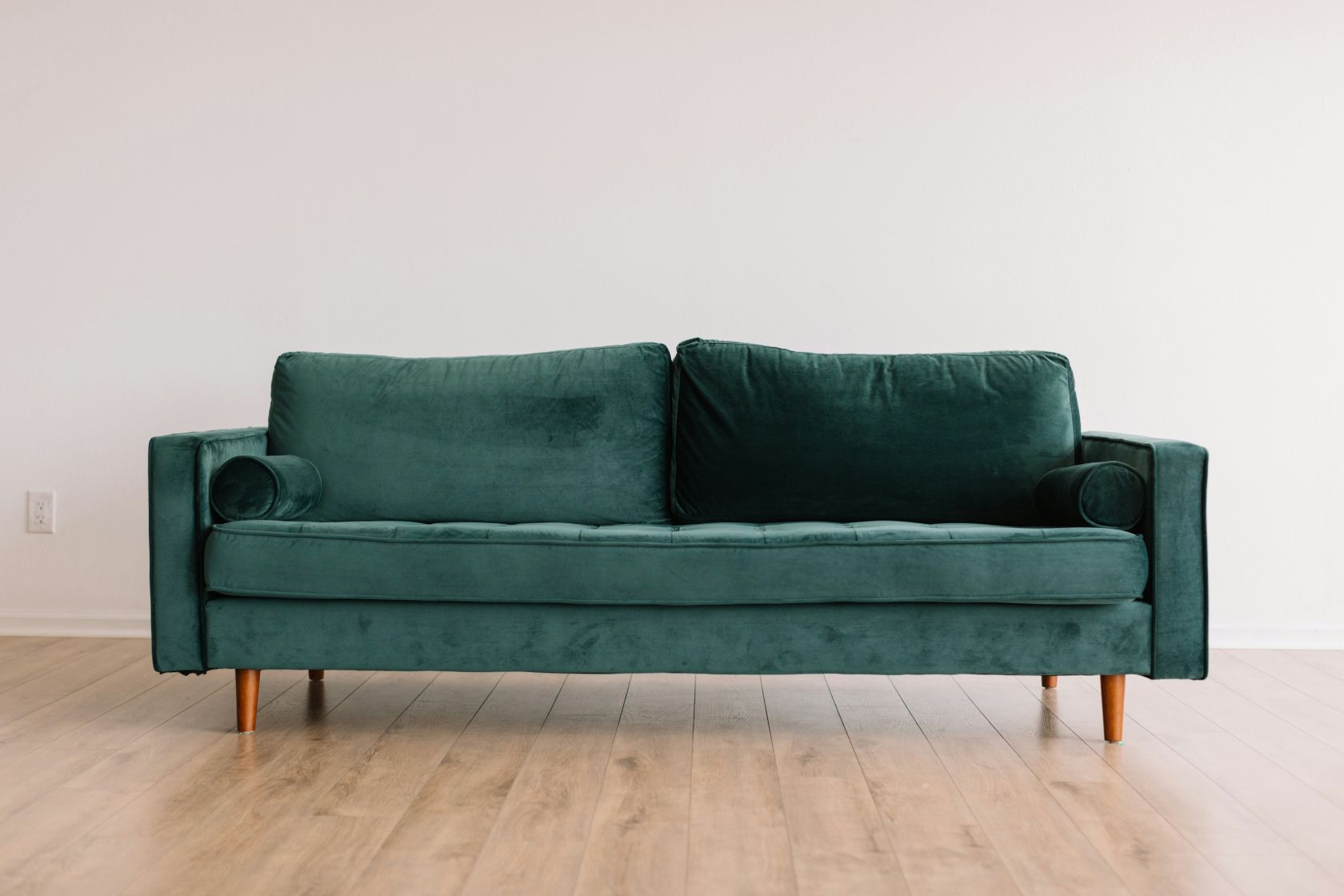
A sofa can look wonderfully comfortable and still be awkward to sit on. Deep seats are lovely when you want to curl up or stretch out. If you are shorter, though, you might find that you cannot put your back against the cushions without lifting your feet off the floor. You end up choosing between the two or filling the gap behind you with pillows.
That does not mean you need to replace the sofa. Try a firm cushion behind your lower back and see whether it helps you sit more comfortably. Moving the back cushions forward might also make a difference. These small changes are worth trying before you start shopping for new furniture.
Is it too soft?
A sofa that feels inviting when you first sit down can become less comfortable over a whole evening. If the seat lets you sink so far that your hips sit well below your knees, changing position or getting up may take more effort. Old cushions can cause a similar problem, especially if everyone in the house has a favourite spot and that part of the sofa has begun to sag.
An extremely firm seat is not necessarily the answer either. What matters is whether you feel supported and can move easily. If you are considering a new sofa, sit on it for more than a few seconds in the shop. Lean back, put your feet on the floor and then stand up again. It sounds obvious, but it is easy to choose a sofa for its colour and realise later that it is uncomfortable to use.
Seat height matters, too. If it is very low, getting up can be difficult. If it is too high, your feet may not rest comfortably on the floor. Also check the armrests: you should be able to rest your arms without hunching your shoulders or leaning sideways to reach them.
And if you share the sofa, remember that a model that suits one person may feel quite different to someone taller or shorter.
The way you use it matters
Sometimes the sofa itself is only part of the story. You may sit comfortably at first, then spend two hours watching television without moving. Or you might work with a laptop on your knees, looking down at the screen until your neck and shoulders begin to ache. Scrolling through your phone can have much the same effect.
You do not have to spend every evening thinking about your posture. Just change position when you feel uncomfortable and get up now and then. Make a drink, walk around the room or take a short break between episodes. If you regularly work from home, a desk and chair that let you position your screen comfortably will usually serve you better than the sofa.
When is it time for a change?
Before buying a replacement, check whether the cushions can be repaired or refilled. Rotating reversible cushions, if your sofa has them, may help spread the wear. Those options are particularly useful when the frame is still sound, and only one seat has lost its shape.
If the cushions remain flattened, the frame feels unstable, or you cannot get comfortable even after adjusting the support, it may be time to look for something else.
Most of all, be careful about blaming every ache on the sofa. It may be contributing to the discomfort, but persistent or worsening back pain deserves a proper assessment from a healthcare professional. A new cushion might make sitting more pleasant; it cannot tell you why you are in pain.
Set The Portugal News as your preferred source for news on Google
 Add as a preferred source on Google








 Portugal Handbook
 English
 Nederlands
 Deutsch
 Français
 Español
 Italiano
 Svenska
 Pусский
 中文
中文 Türkçe
 Português
 Czech
Czech Hungarian
 Polski
 عربي
عربي Suomi
Suomi עִברִית
 Português (Brasil)
Follow us on social media