


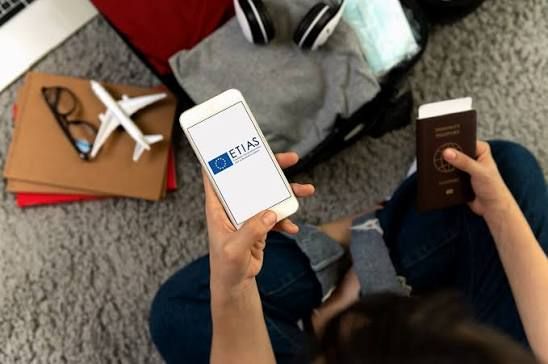
Travellers headed to Europe are being warned about scams related to the new entry requirements, according to USA TODAY, as fraudulent websites are attempting to mislead travellers by charging high fees for the non-operational ETIAS.
The European Union has been working to introduce two separate border management initiatives for non-EU nationals to strengthen security: the European Travel Information and Authorisation System (ETIAS) and the Entry/Exit System (EES).
The EES went into effect in October 2025; however, the launch of ETIAS has been postponed, with no confirmed launch date.
Fraudulent websites
The two programmes have caused confusion among travellers planning trips to Europe, and according to USA TODAY, this confusion has created an opportunity for scammers.
The EU reports that some businesses are attempting “to mislead applicants into believing that their site is the official channel for submitting an ETIAS application” and charging “an unreasonably high price” or additional fees.
“The biggest mistake people make is thinking they have to apply for something that isn’t active yet,” said Konstantin Lange, chief operating officer for travel-document platform iVisa, in an email to USA TODAY. “The Entry/Exit System (EES) and the European Travel Information and Authorisation System (ETIAS) are two separate EU systems, and both have had their timelines change more than once.”
According to the Guardian, there are reportedly over 150 third-party websites claiming to help travellers apply for ETIAS. These websites often look similar to the official EU website and request passport information and payment, putting personal and financial data at risk.
“People have been hearing for years that ETIAS is ‘coming soon,’ so there’s a lot of demand to get in ahead of it, or they haven’t heard it has been pushed back. Scam sites are exploiting that,” said Lange.
Understanding the two systems
Some Americans have been confused about the differences between the two new systems and how to tell them apart. “The easiest way to tell them apart is that EES confirms who you are at the border during entry and exit,” said Lange. “ETIAS, which will cost a fee, will check in advance whether you’re cleared to travel there.”
In short, EES is a digital entry system replacing manual passport stamps, with no application or payment required. When a traveller arrives at an external border where EES operates, they will have their face and fingerprints scanned and stored as entry and exit data, with the goal of speeding up border checks and improving internal security.
ETIAS is a travel authorisation system that pre-screens visa-exempt travellers, including Americans, visiting 30 European countries for up to 90 days in any 180-day period.
ETIAS authorisation does not guarantee entry and will be tied to a traveller’s passport and valid for three years, at a cost of €20, or around $22, USA TODAY reports.
Official applications
As ETIAS is not yet operational, websites claiming to offer approved ETIAS authorisations or process applications are misleading travellers, as applications are not yet being accepted.
Travellers planning a visit to Europe are therefore encouraged to stay updated on the official launch date. According to Lange, the EU will announce the official start date months in advance, giving travellers plenty of time to apply for authorisation.
Once ETIAS is operational, it will be possible to apply on behalf of someone else, for instance, a friend or family member, or have a third party, such as a travel agency, apply on your behalf. In these cases, both parties will need to sign a declaration of representation.
Websites providing intermediary services will collect travellers’ data and use the official ETIAS website to file applications on their behalf, and these websites may also charge additional fees.
Travellers are therefore advised to ensure they have access to the email account provided in the application, as it will be used for all communication related to the application and travel authorisation. Once an application has been submitted, the traveller will receive an email confirmation along with a unique application number.
Travellers headed to Europe are warned of scams related to the new entry requirements, according to USA TODAY, as scam websites are attempting to mislead travellers by charging high fees for the non-operational ETIAS.
The European Union has been working to introduce two separate border management initiatives for non-EU nationals to strengthen security: the European Travel Information and Authorisation System (ETIAS) and Entry/Exit System (EES).
The EES went into effect last October; however, the ETIAS has been postponed with no launch date.
The two programmes have caused confusion among travellers planning trips in Europe, and according to USA TODAY, this confusion has created an opportunity for scammers.
The EU reports on businesses attempting “to mislead applicants into believing that their site is the official channel for submitting an ETIAS application” and charging “an unreasonably high price” or additional fees.
“The biggest mistake people make is thinking they have to apply for something that isn’t active yet,” said Konstantin Lange, chief operating officer for travel-document platform iVisa, in an email to USA TODAY. “The Entry/Exit System (EES) and the European Travel Information and Authorisation System (ETIAS) are two separate EU systems, and both have had their timelines change more than once.”
According to the Guardian, there are reportedly over 150 third-party websites claiming to help travellers apply for the ETIAS. Their websites often look similar to the official EU website, and request passport information and payment, putting personal data, such as bank accounts or credit card numbers, at risk.
“People have been hearing for years that ETIAS is 'coming soon,' so there's a lot of demand to get in ahead of it, or they haven’t heard it has been pushed back. Scam sites are exploiting that,” said Lange.
Some Americans have been confused over the differences between the two new systems, and how to tell them apart. “The easiest way to tell them apart is that EES confirms who you are at the border during entry and exit,” said Lange. “ETIAS, which will cost a fee, will check in advance whether you’re cleared to travel there.”
In short, the EES is the digital entry system replacing manual passport stamps with no application or payment required. When a traveller arrives in the EU, they will have their face and fingerprints scanned and stored as entry and exit data, with the goal to speed up border checks and to improve internal security.
The ETIAS is a travel authorisation which pre-screens visa-exempt nationals, including Americans, to visit 30 European countries for up to 90 days in any 180 days.
The ETIAS do not guarantee entry and will be tied to a traveller’s passport and valid for three years, at a cost of €20 euros, or around $22, USA TODAY reports.
As the ETIAS is not yet operational, any website currently offering this service is fraudulent. Travellers planning a visit to Europe are therefore encouraged to stay updated on the actual launch of the ETIAS. According to Lange, the EU will announce the official start date months in advance, giving a traveller plenty of time to apply for one.
Once the ETIAS is implemented, application is only possible through the official ETIAS website or ETIAS mobile application.
Set The Portugal News as your preferred source for news on Google
 Add as a preferred source on Google


 Portugal Handbook
 English
 Nederlands
 Deutsch
 Français
 Español
 Italiano
 Svenska
 Pусский
 中文
 Türkçe
 Português
 Czech
 Hungarian
 Polski
 عربي
 Suomi
 עִברִית
 Português (Brasil)

Follow us on social media