


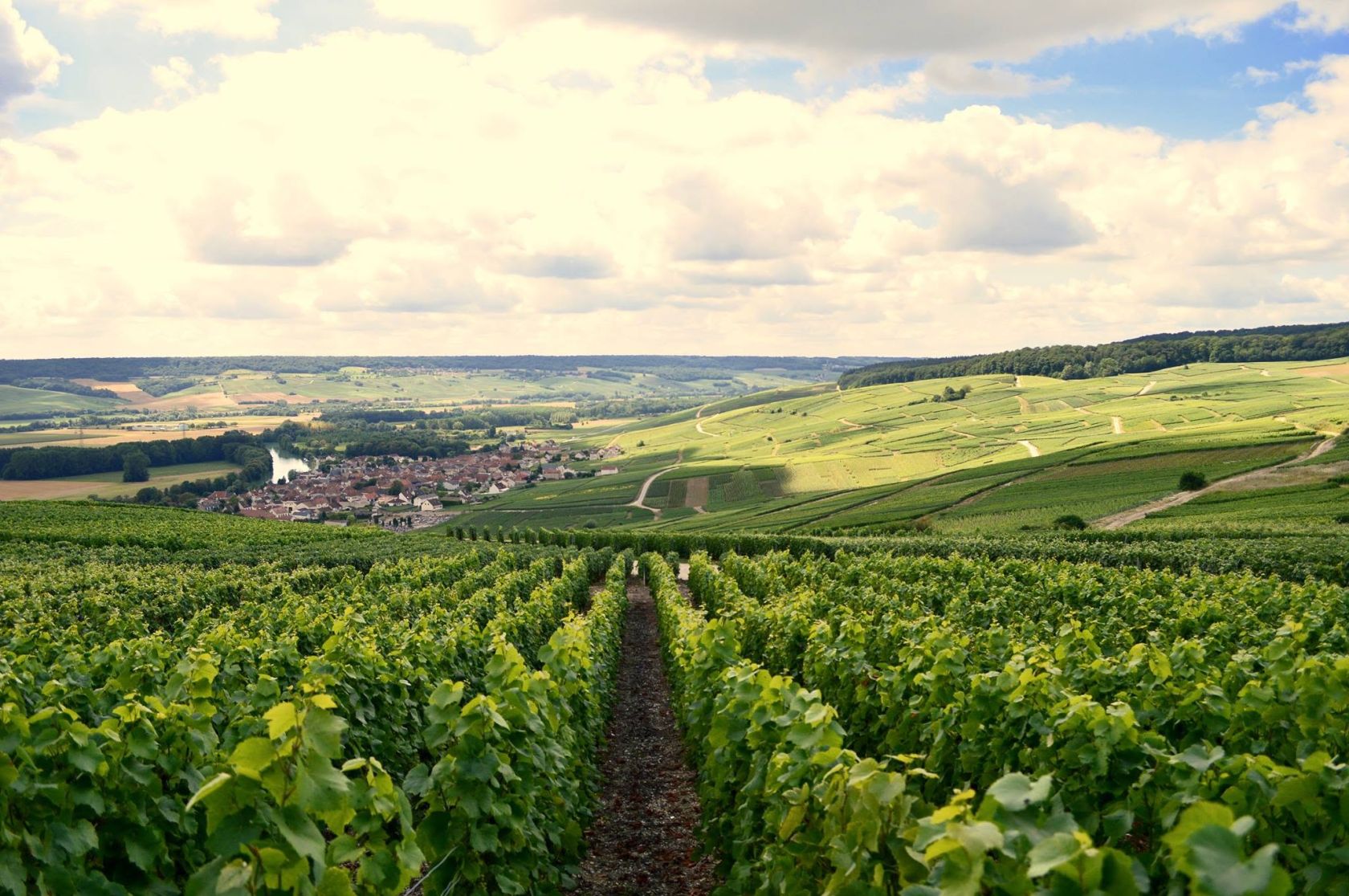
Extreme temperatures and drought increased sugar levels in grapes, potentially raising alcohol levels during fermentation. The Champagne region also recorded its earliest harvest, with industry officials warning that such conditions could become normal within 10 to 15 years.
The Comité Champagne said only a small number of wines are expected to exceed the previous limit, potentially reaching 13.1% or 13.2% alcohol.
The exceptional increase applies only to the 2026 harvest, which began in early August following severe spring frosts and five summer heatwaves.
Champagne from this vintage is unlikely to reach consumers until 2028, as it must age for at least 15 months.
Set The Portugal News as your preferred source for news on Google
 Add as a preferred source on Google





 Portugal Handbook
 English
 Nederlands
 Deutsch
 Français
 Español
 Italiano
 Svenska
 Pусский
 中文
 Türkçe
 Português
 Czech
 Hungarian
 Polski
 عربي
 Suomi
 עִברִית
 Português (Brasil)

Follow us on social media