


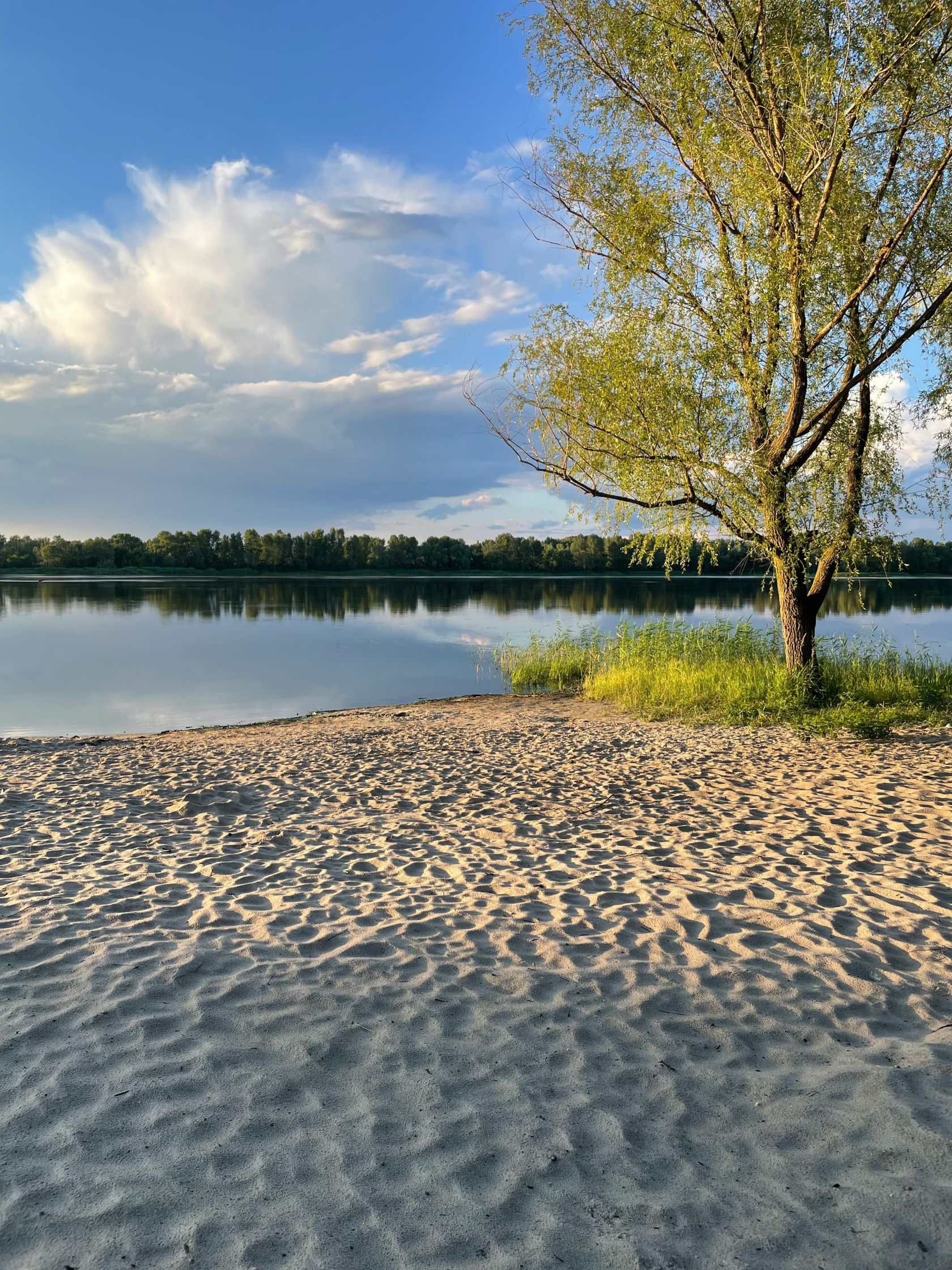
“Despite the Azibo Reservoir Management Plan (POAA) having established itself as a fundamental instrument for managing the water and land area of the Azibo Reservoir, more than 30 years after its approval, the objectives and legal framework that determined its publication have been significantly altered and are out of step with reality (…) Thus, currently, the POAA does not guarantee a level of protection for the water body consistent with the objectives to be achieved, particularly the environmental ones,” reads the publication in the Official Gazette.
The POAA was created in 1993, and its revision was ordered in 2010 due to the outdated management proposals. However, the process was never completed. In 2024, the special program for the Azibo reservoir, which had been in effect for more than three decades, was not approved. The Government now understands that it is not necessary to “ensure the protection of public water reservoirs through a special territorial management instrument”.
According to the publication in today's Diário da República (Official Gazette), there was a need to “adapt the protection regime for public service water reservoirs to the new legal framework for the protection of water resources, established by the Water Law”, which defines “the sustainable management of water resources, focusing on the protection and efficient use of surface and groundwater”.
The Azibo reservoir is part of the Sabor river basin and comprises the Azibo river, 13 kilometres long, and the Azibeiro and Reguengo streams.
Within this area lies the Azibo Reservoir Protected Landscape, created in 1999, where the aforementioned management plan was implemented, with the objective of “conserving nature and enhancing the natural heritage of the Azibo reservoir as a prerequisite for sustainable development” and also “promoting rest and outdoor recreation in balance with the safeguarded natural values”.
The Protected Landscape was managed by the municipality of Macedo de Cavaleiros and encompasses the localities of Podence, Salselas, Santa Combinha, Vale da Porca and Vale de Prados, in the municipality of Macedo de Cavaleiros, as well as the locality of Quintela de Lampaças, in the municipality of Bragança.
 Add as a preferred source on Google





 Portugal Handbook
 English
 Nederlands
 Deutsch
 Français
 Español
 Italiano
 Svenska
 Pусский
 中文
中文 Türkçe
 Português
 Czech
Czech Hungarian
 Polski
 عربي
عربي Suomi
Suomi עִברִית
 Português (Brasil)
Follow us on social media