


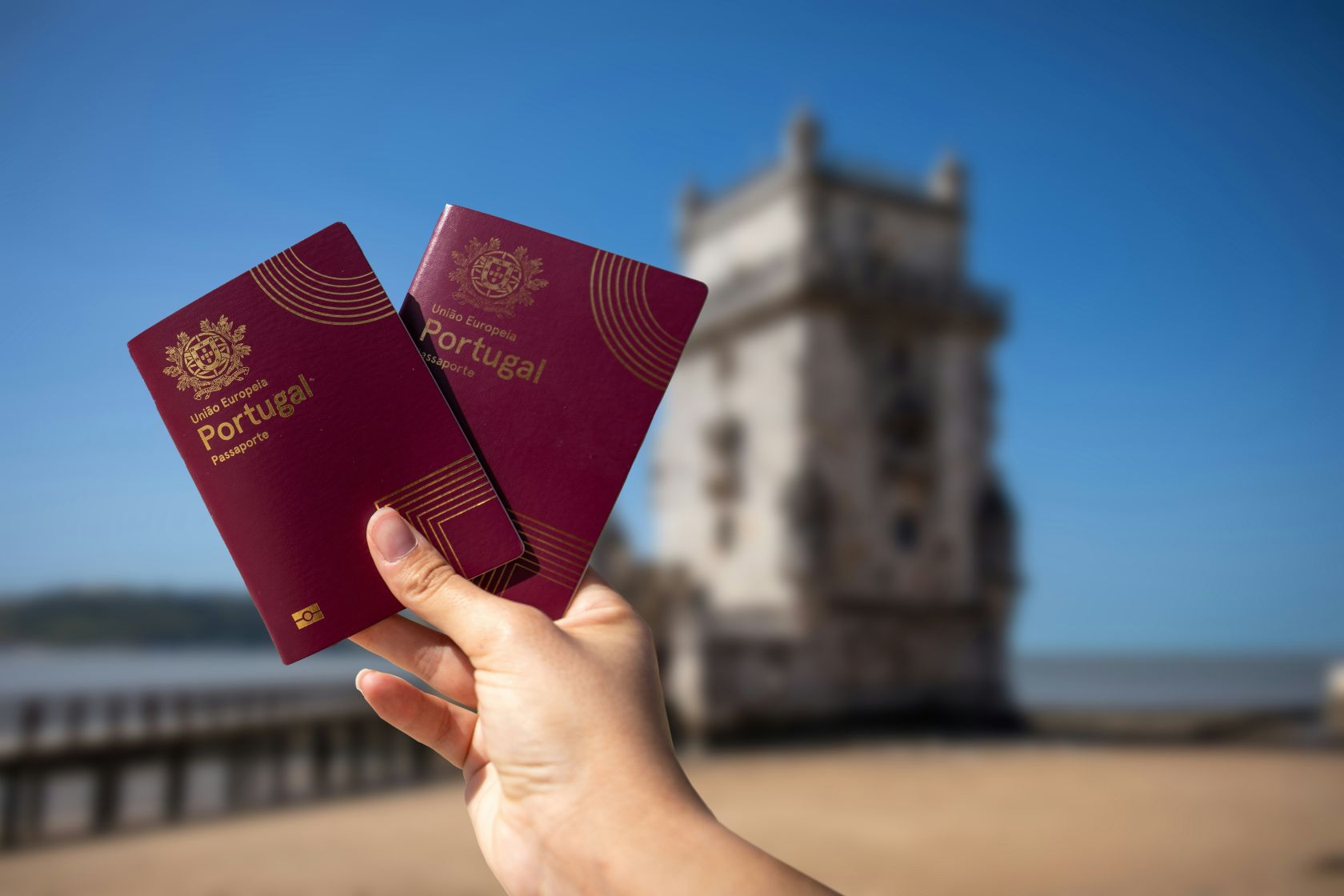
In response to Lusa regarding the protocol, announced on 1 April 2025, an official source from the State Secretariat of the Presidency and Immigration said that the "assessment is positive" and that its "success" is not measured by the number of visas issued, but "by the State's ability to respond to the needs of companies (approximately 21 days) and by the growing demand for this instrument."
The Cooperation Protocol for Regulated Labour Migration was a solution implemented last year to accelerate the granting of work visas to immigrants in their countries of origin, using the Portuguese diplomatic network.
In total, 5,183 visa applications were made under this regime.
In the last 20 working days alone, “1,163 visa applications were received through the protocol,” and the “defined deadlines have been met from the beginning, increasingly deserving the trust of national economic agents.”
Working sectors
Most immigrants who entered under this mechanism are concentrated in agriculture (around 60%) and construction and real estate (40%), but “demand has been growing in other sectors such as commerce/services and industry, as the efficiency of this regulated immigration channel has become evident,” the same source emphasised.
With the end of the expression of interest, a legal recourse that allowed residence authorisation for those entering the country without a work visa, the work visa became the only way to be legally in Portugal through employment.
“The protocol was conceived as a true regulated immigration channel, assuming itself as a structural measure in the way this Government views migratory phenomena,” said the Secretary of State.
Cooperation
This cooperation between the “State, by providing greater speed in the visa granting processes, and the private sector, by assuming increased responsibilities regarding the conditions of those who hire, has proven to be very virtuous,” highlighted the State Secretariat, which rejects creating new entry channels.
In exchange for faster visa processing, business associations commit to ensuring immigrants' residency and integration, namely through training and teaching in Portuguese.
The mechanism “emerged as a responsible response to the need for workers, in a previous context of total deregulation of immigration in Portugal, with the clear objective of bringing clear rules, greater administrative speed and more dignity to those who arrive in our country,” adds the government.
Many business owners complained about the lack of flexibility in hiring immigrants and delays in the consular system.
“To date, the results obtained do not justify a review of the rules, highlighting the consistent work that has been developed to ensure the effectiveness, stability and predictability of this mechanism,” said the supervisory body.
Migration Action Plan
This protocol was a "flagship measure of the Migration Action Plan, launched in June 2024," and, prior to its implementation, the government sought to "strengthen the consular network with approximately 50 visa specialists."
Portuguese diplomacy has managed, "on average, to issue visas within 21 days of receiving the complete application," when the protocol's forecast was 30 days, the government points out.
Although the project was developed by the Presidency of the Council of Ministers and the Ministry of Foreign Affairs, the "success is due to the efforts of other government areas involved, such as the Ministry of Labour, Solidarity and Social Security," the same source noted.
One of the unions representing employees of the Agency for Integration, Migration and Asylum (AIMA) recently requested the placement of members of the institution in the consular network to help speed up the processes, but the government said that this protocol "does not include any specific condition that implies the inclusion" of these individuals in the consulates.
 Add as a preferred source on Google





 Portugal Handbook
 English
 Nederlands
 Deutsch
 Français
 Español
 Italiano
 Svenska
 Pусский
 中文
中文 Türkçe
 Português
 Czech
Czech Hungarian
 Polski
 عربي
عربي Suomi
Suomi עִברִית
 Português (Brasil)
Follow us on social media