


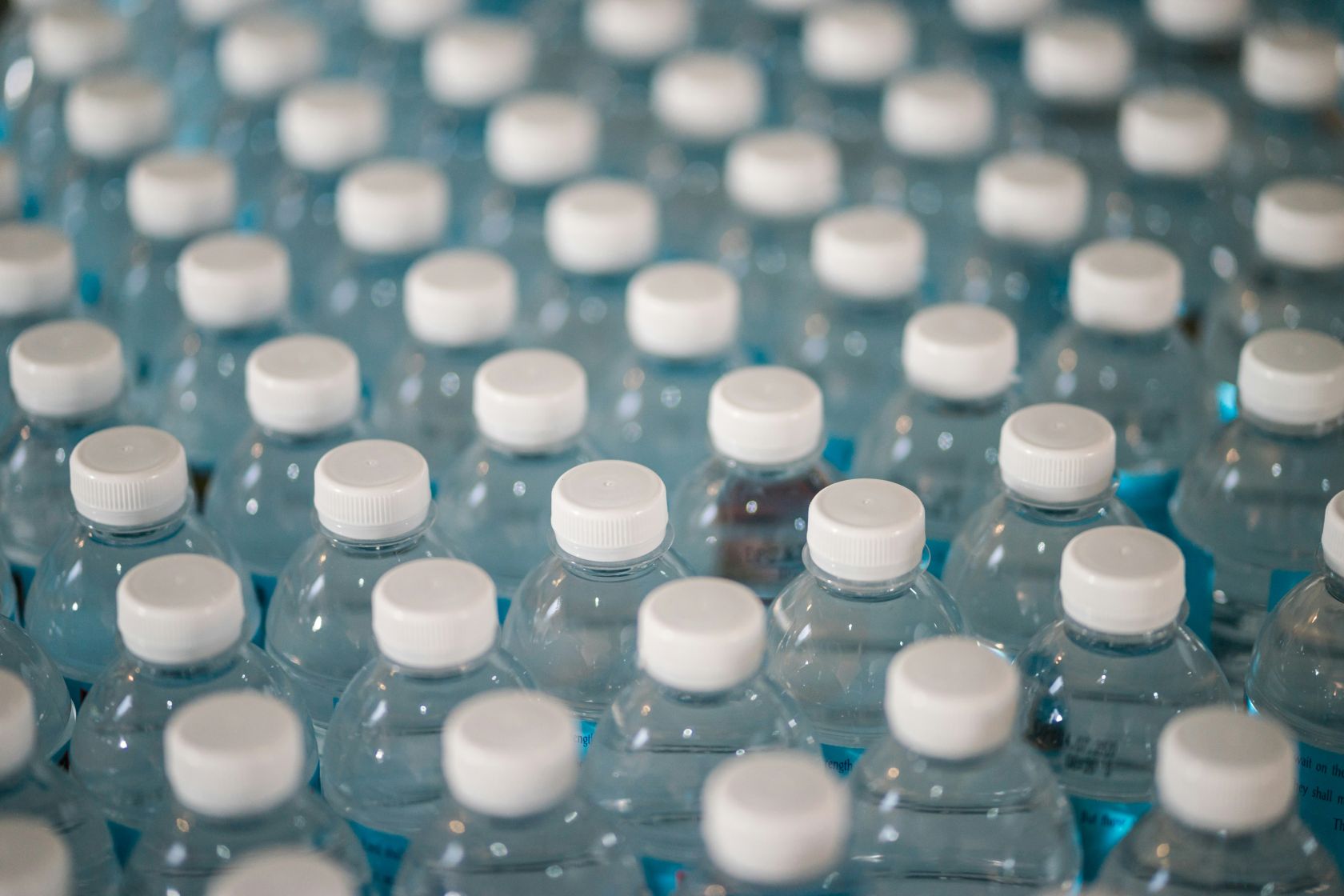
PET plastic is widely used in food and drink packaging, with around 50 million tonnes of PET waste produced annually. Researchers say it is the first time a biological process has been used to turn plastic waste into a treatment for a neurological disease.

The process uses engineered E. coli bacteria to convert PET plastic into L-DOPA, a medication for Parkinson’s. PET plastic is first broken down into terephthalic acid, which is then transformed into L-DOPA through biological reactions. The research was led by Professor Stephen Wallace at the University of Edinburgh.
 Add as a preferred source on Google





 Portugal Handbook
 English
 Nederlands
 Deutsch
 Français
 Español
 Italiano
 Svenska
 Pусский
 中文
中文 Türkçe
 Português
 Czech
Czech Hungarian
 Polski
 عربي
عربي Suomi
Suomi עִברִית
 Português (Brasil)
Follow us on social media