


Global tourism is going through one of these phases. What for years was an industry driven by experience, discovery, and desire is quietly being reconfigured by a new core criterion: safety. The instability in the Middle East did not create this trend, but it clearly accelerated it. Travelling is no longer just an emotional decision but also a thoughtful choice, where risk enters the equation. And when this happens, the flows do not disappear; they reorganise.
It is at this point that Portugal gains new relevance. Not because it has changed, but because the world around it has changed. What was once taken for granted, like stability, predictability and security, has now become a differentiating factor. Destinations that for years attracted millions of tourists are now starting to raise doubts, and when this happens, travellers look for alternatives that offer them confidence. Portugal naturally fits into this demand, not as a novelty, but as a safe choice in an uncertain context.
The case of the German market is one of the clearest examples of this change. For years, a significant number of these tourists have opted for destinations in the Middle East and North Africa, attracted by a combination of climate, price, and hotel offer. Today, that equation has changed. The perception of risk weighs more, and with that, space is opened for other European destinations. If a part of this flow is redirected, the impact for Portugal could be significant, not only in numbers, but in the way the country positions itself. More than a holiday destination, it is now seen as a solid choice.
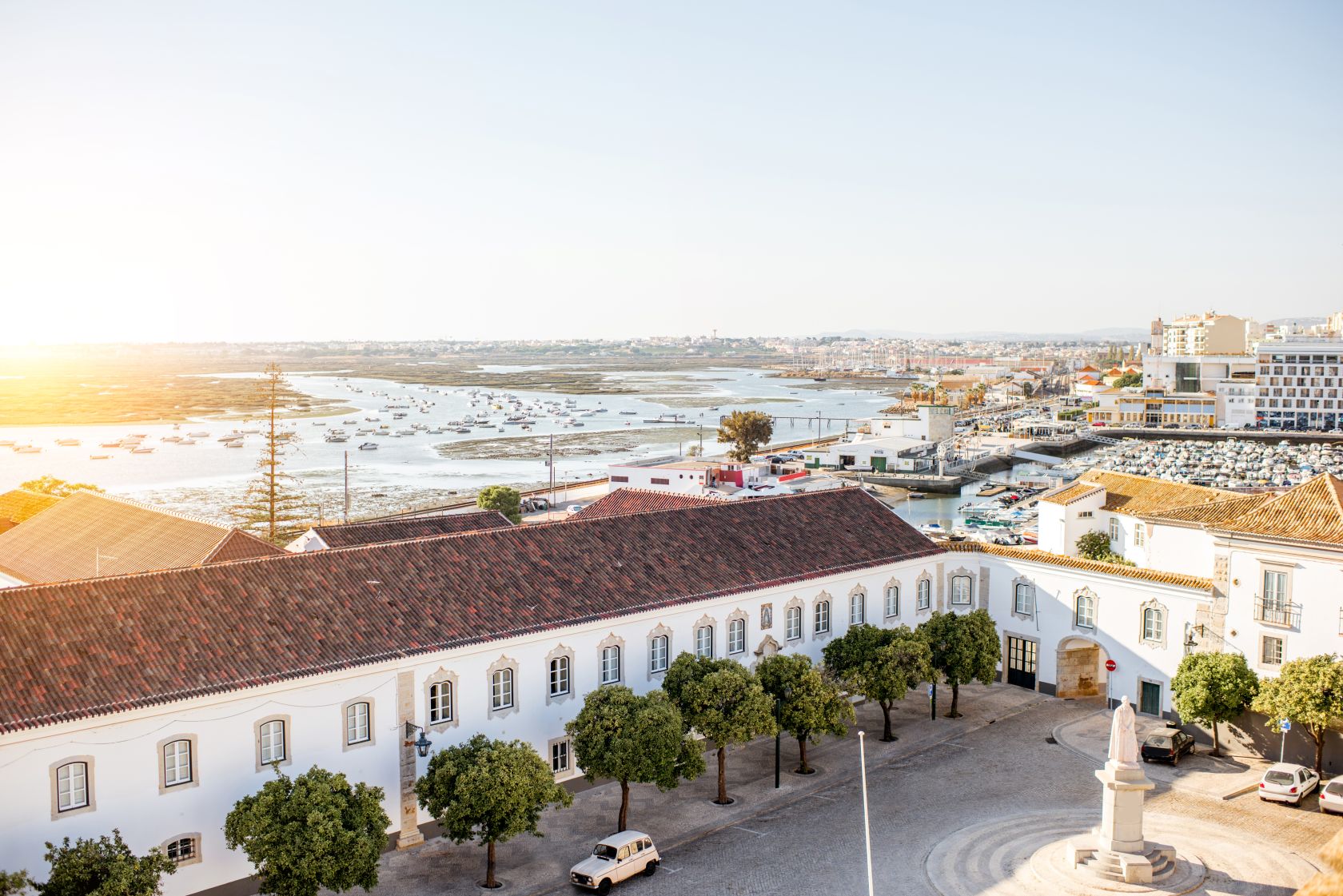
But this opportunity brings with it a responsibility that cannot be ignored. Portugal already knows well the limits of its own success. Lisbon and the Algarve have been under pressure for several years, with infrastructures demanded to the maximum and clear signs of saturation in certain periods. If demand increases quickly and is concentrated, the risk is not only operational, but also reputational. A destination that grows without control loses quality, and when it loses quality, it loses value.
At the same time, there is another side of the country that remains outside this cycle. Inland regions, in the Center, territories with capacity, identity and authenticity, but which still do not benefit from the same visibility. Perhaps this new context is the opportunity to correct this imbalance, not out of necessity, but out of strategy. Better distribution of tourism is not just a matter of territorial equity; it is a way to ensure long-term sustainability.
There is also a more subtle but equally relevant change. European tourism is becoming closer. Markets such as Spain and France look at Portugal with a new perspective, valuing not only experience, but safety and value for money. In a scenario of greater complexity in international travel, this proximity gains weight and can become one of the pillars of future growth.
Basically, what is at stake is a transformation in the very logic of tourism. For years, selling destinations was selling unique experiences. Today, it is also about offering predictability, stability, and confidence. And in this new context, Portugal finds itself in a privileged position, perhaps more than ever.
But between potential and reality there is always a space that needs to be worked on. Capturing these flows requires more than a good international image. It requires investment in connectivity, intelligent demand management and, above all, a clear vision of the type of tourism you want to build. Growing is no longer enough. Growing well is the real challenge.
Because, in the end, tourism continues to reflect the world we live in. And in a more uncertain world, the destinations that stand out are not only the most desired. They are the ones who offer confidence. Portugal, in a discreet but consistent way, is today exactly in that place.
 Add as a preferred source on Google







 Portugal Handbook
 English
 Nederlands
 Deutsch
 Français
 Español
 Italiano
 Svenska
 Pусский
 中文
中文 Türkçe
 Português
 Czech
Czech Hungarian
 Polski
 عربي
عربي Suomi
Suomi עִברִית
 Português (Brasil)
Follow us on social media