



Martinho da Silva returned to Portugal after 13 years in Norway, where he first worked in gastronomy before taking a major career step at Tesla. During that time, sustainability evolved beyond a professional focus — it became a way of life.
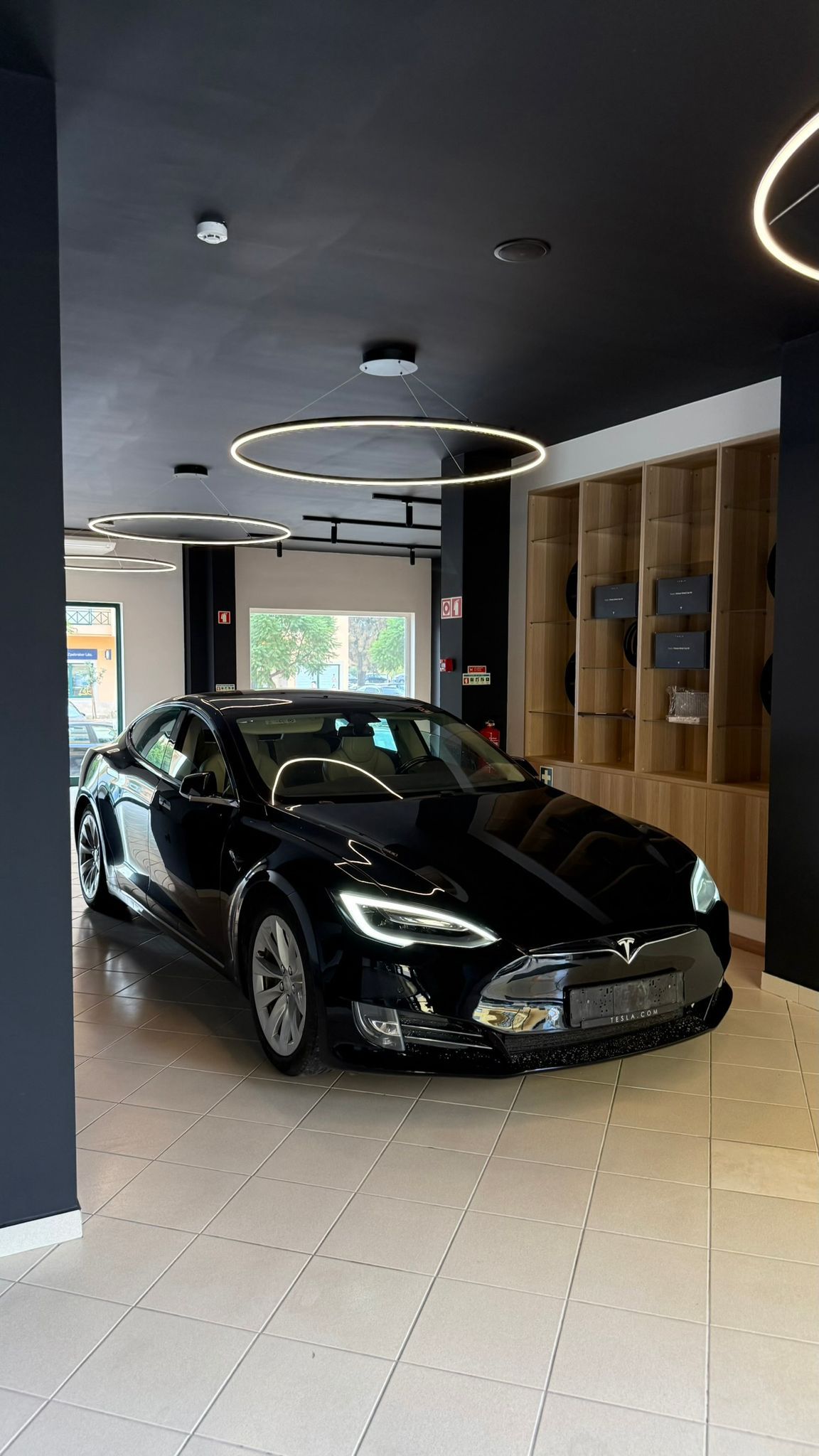
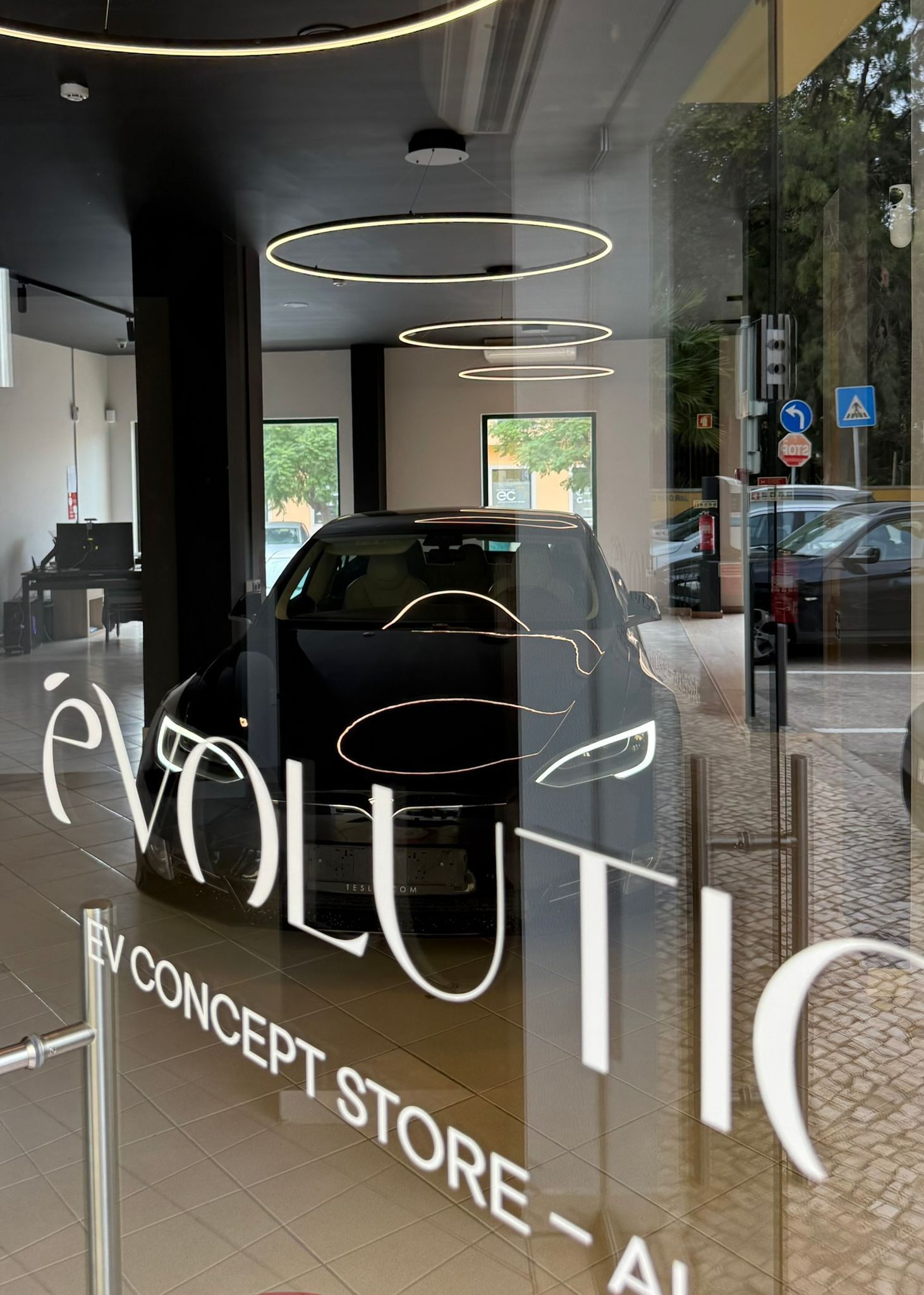
This year, he opened Evolution, a new concept space in Faro. The space combines certified pre-owned electric vehicles with a brunch-and-café concept and offers EV education and consulting. For The Portugal News, he answered some of the most common questions about electric mobility.
The Portugal News (TPN): How did your interest in electric vehicles begin?
Martinho da Silva (MS): I started at Tesla in Norway as a Service Advisor, then moved into a Regional Supervisor role in the Virtual Service team. Being around the tech every day, you just get used to how it works and what makes it different.
Over time, I realised that electric mobility doesn’t have to be complicated — and today my goal is to pass that knowledge on and help people feel confident about making the transition.
TPN: What led you to open Evolution?
MS: Norway has strong access to modern technology, especially in electric mobility, but I’ve always had a connection to Portugal. After my experience at Tesla, I wanted to bring more affordable and accessible electric vehicle options to the Portuguese market.
Here, the offer remains relatively limited while demand continues to grow, naturally driving prices up. My goal is to help expand the market with better options and more competitive pricing.
We mainly source vehicles from Northern European markets such as Norway and Germany, where EV adoption is more mature. This allows us to offer well-maintained vehicles, often with better specifications and stronger value for customers.
Evolution is not simply a dealership — it’s a lifestyle space where sustainable food, community, and the future of mobility come together. After living in Norway, where EV adoption is among the highest in the world, I realised the future isn’t just about electric cars — it’s about a broader lifestyle shift.
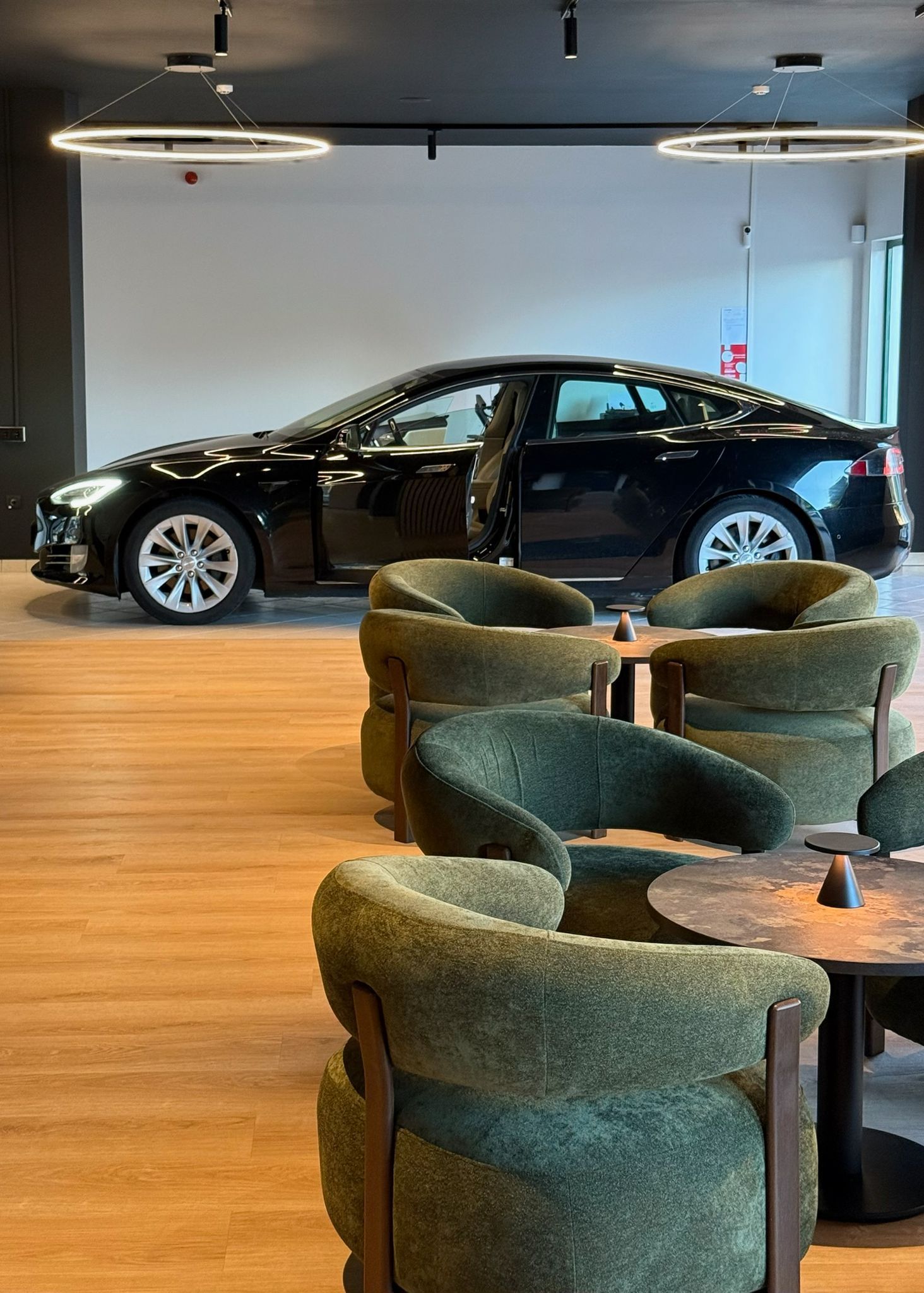
Alongside the showroom, we created a brunch and café concept focused on high-quality, homemade food, speciality coffee, and a space designed for people to work, meet, and connect. It reflects the idea that sustainability is not just about how we drive, but also how we eat and live.
We are probably one of the few dedicated EV concept spaces in Portugal, if not the only one, and beyond selling vehicles, we also act as a hub for guidance and support for people considering the transition to electric mobility, offering technical support, parts and accessories and small repairs that in future will grow into a full workshop proving all types of repairs one can come to need, including HV battery repairs or replacements if needed.
TPN: How do you help people choose the right car?
MS: It always starts with a conversation. I take time to understand the client — their lifestyle, how often they drive, whether they commute, and what they truly need.
My goal is not to sell the most expensive car, but the one that truly fits the person.
Many people are also unaware that in Portugal, if you scrap a fossil-fuel car over 10 years old, you may be eligible for up to €4,000 in incentives when purchasing an electric vehicle.
TPN: Are you seeing more local or international clients?
MS: At the moment, we see more international clients. It’s often a mindset difference.
In Norway, electric vehicles are already part of everyday life, and people clearly understand their environmental and practical advantages. In Portugal, awareness is still growing, but this is changing steadily.
Electric mobility plays an important role in building a cleaner and more sustainable future — not only environmentally, but also in terms of everyday quality of life.

TPN: Do you offer after-sales support?
MS: Yes. By Portuguese law, certified pre-owned vehicles are covered by a minimum one-year or 20.000 km (whichever comes first) warranty for hidden faults (vícios ocultos), excluding normal wear-and-tear components.
In addition, all our vehicles come with a detailed independent report on their condition, including battery health and the status of key components, ensuring full transparency and customer confidence.
TPN: What is the lifespan of an EV battery?
MS: Electric car batteries typically last much longer than many people expect.
Their lifespan depends on usage. Frequent fast charging can accelerate degradation, so it’s best used mainly for long trips, and constant charging to 100% is not recommended.
From my own experience, my vehicle has over 240,000 km and, after 8 years, has only lost around 25–30 km of range, and is still performing very well with many years ahead.
In comparison, a combustion vehicle at similar mileage would often be approaching the end of its lifecycle or require significant maintenance/ repairs, such as engine replacement, gearboxes, etc.
TPN: Are EVs more expensive to maintain than combustion cars?
MS: No, in most cases, they are significantly cheaper to maintain.
Electric cars have way fewer moving parts, no oil changes, and don’t need much regular servicing. Most of the time, it’s just things like cabin filters or wiper blades, and even those only need changing every couple of years.
From my own experience, I only replaced brake components at around 175,000 km and tyres roughly every 100,000 km, which is considerably longer than what is expected in most combustion vehicles.
In Portugal, EVs are exempt from IUC (road tax), and although ISV is not fully exempt, there are important reductions compared to combustion vehicles.
Fuel savings are a big advantage, too. With current prices, a petrol or diesel car can easily cost €50–100 a week to run, while an electric vehicle is usually around €50–100 a month to charge—even if you’re driving 150–200 km a day.
On top of that, electric cars tend to be safer, more comfortable, and overall, just feel more modern to drive.
Overall, they represent one of the most efficient and cost-effective ownership options available today.
TPN: Where can you charge an electric car at home?
MS: In Portugal, you have the legal right to install a charging point in a condominium garage. You need to notify the administration, but they cannot refuse.
Apartment owners, tenants, or legal occupants can install a charger at their own expense in their private parking space. Newer buildings are also required to include EV charging infrastructure.
TPN: Are electric cars only for city use?
MS: Not at all — that’s one of the most common misconceptions.
Modern electric vehicles offer ranges of 300-500 km or more, making them perfectly suitable for long-distance travel.
Charging infrastructure is expanding rapidly across Portugal and Europe, making longer journeys easier and more convenient.
For most people, daily driving needs are well below what modern EVs can offer.
TPN: What are the main concerns people still have?
MS: The main concerns are usually range, charging availability, and battery lifespan.
However, in most cases, these concerns come from a lack of information. Once people understand how electric vehicles work and how they fit into their daily routine, those concerns quickly disappear.
That’s why education is a key part of what we do at Evolution.
“Evolution is more than a showroom or a café — it’s a space where people can experience a different way of living. This is just the beginning.”
 Add as a preferred source on Google







 Portugal Handbook
 English
 Nederlands
 Deutsch
 Français
 Español
 Italiano
 Svenska
 Pусский
 中文
中文 Türkçe
 Português
 Czech
Czech Hungarian
 Polski
 عربي
عربي Suomi
Suomi עִברִית
 Português (Brasil)
Follow us on social media