


But sophisticated investors usually think differently. They look for investments that create multiple forms of return at the same time.
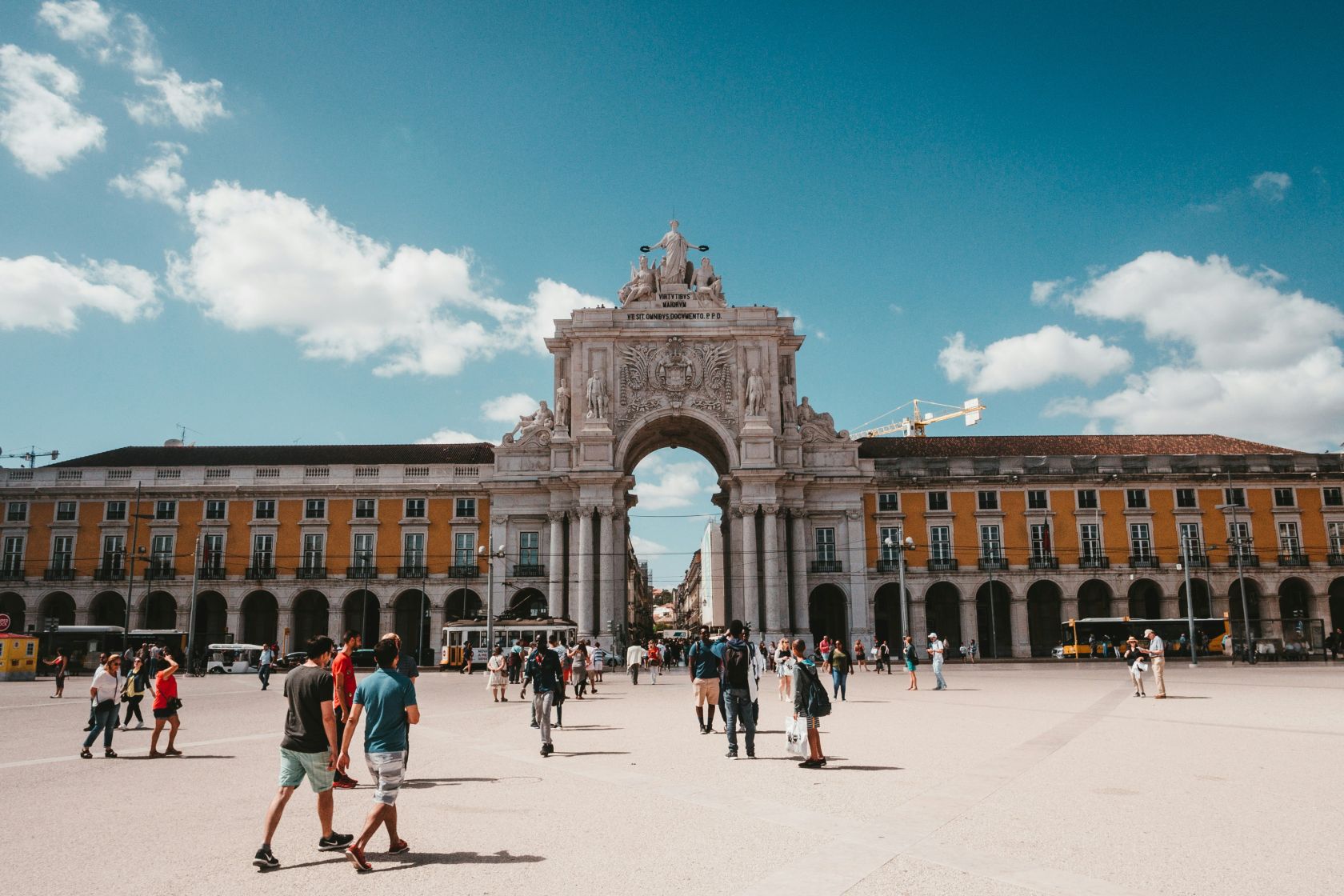
That’s part of what makes Portugal increasingly attractive to global capital.
When structured correctly, investments tied to Portugal’s hospitality and tourism economy can combine several layers of value creation inside one strategy: cash flow, currency exposure, operational upside, and long-term demand supported by global trends.
The result is a more flexible and resilient investment model than many investors initially realise.
Cash Flow Changes Everything
One of the biggest differences between hospitality and traditional real estate is income velocity.
Long-term residential leases tend to adjust slowly. Hospitality adjusts daily.
Hotels, serviced apartments, and professionally managed short-term rentals respond in real time to tourism demand, seasonal pricing, international travel patterns, and local events. That creates a business model built around active revenue generation rather than passive appreciation alone.
And in Portugal, demand continues to strengthen.
Tourism generated more than €30 billion in revenue in 2025 as international travellers continued flowing into Lisbon, Porto, the Algarve, Madeira, and other key markets. At the same time, Portugal’s global visibility continues to rise among investors, entrepreneurs, remote workers, and lifestyle-driven travellers.
That demand creates opportunity.
Especially for operators that can improve performance through better management, pricing systems, customer experience, and operational scale.
The Currency Layer Most Investors Overlook
For international investors, there is another dynamic at work beyond the underlying business itself.
Revenue is generated in euros.
That creates a second layer of exposure for dollar-based investors. If the euro strengthens against the U.S. dollar, returns can improve even if the local asset value remains unchanged.
Currency movements always work both ways, but international investing introduces a diversification component that many investors fail to fully account for.
In other words, the investment itself becomes tied not only to the performance of the business, but also to the broader strength of the European economy and currency system.
Why Operations Matter More Than Ever
Many investors still approach hospitality the same way they approach traditional real estate: buy the asset and wait.
But increasingly, the value is being created at the operational level.
Two hospitality properties sitting side by side in the same city can produce dramatically different results depending on management quality. Occupancy, guest reviews, pricing strategy, staffing, and customer experience all directly impact profitability.
That’s why professionalised hospitality platforms are becoming increasingly attractive. Global Investment Partnership’s Portugal Golden Visa Hospitality & Tourism Fund was built around this exact premise. The strategy focuses on acquiring existing hospitality businesses in prime urban markets where operational improvements alone can unlock significant value creation.
Rather than relying solely on appreciation, the model centers around improving performance inside already cash-flowing businesses.
And over time, that creates another layer of optionality.
Because professionally managed portfolios often become attractive acquisition targets for larger hospitality groups looking to expand quickly into high-demand markets.
Why Portugal
Portugal continues to sit at the intersection of several powerful global trends: international tourism, lifestyle migration, capital mobility, and infrastructure investment.
For long-term investors, that combination matters.
Because the strongest investment opportunities are rarely built around a single return driver.
They are built around multiple layers working together at the same time.
And that is increasingly what Portugal represents.
 Add as a preferred source on Google







 Portugal Handbook
 English
 Nederlands
 Deutsch
 Français
 Español
 Italiano
 Svenska
 Pусский
 中文
中文 Türkçe
 Português
 Czech
Czech Hungarian
 Polski
 عربي
عربي Suomi
Suomi עִברִית
 Português (Brasil)
Follow us on social media