


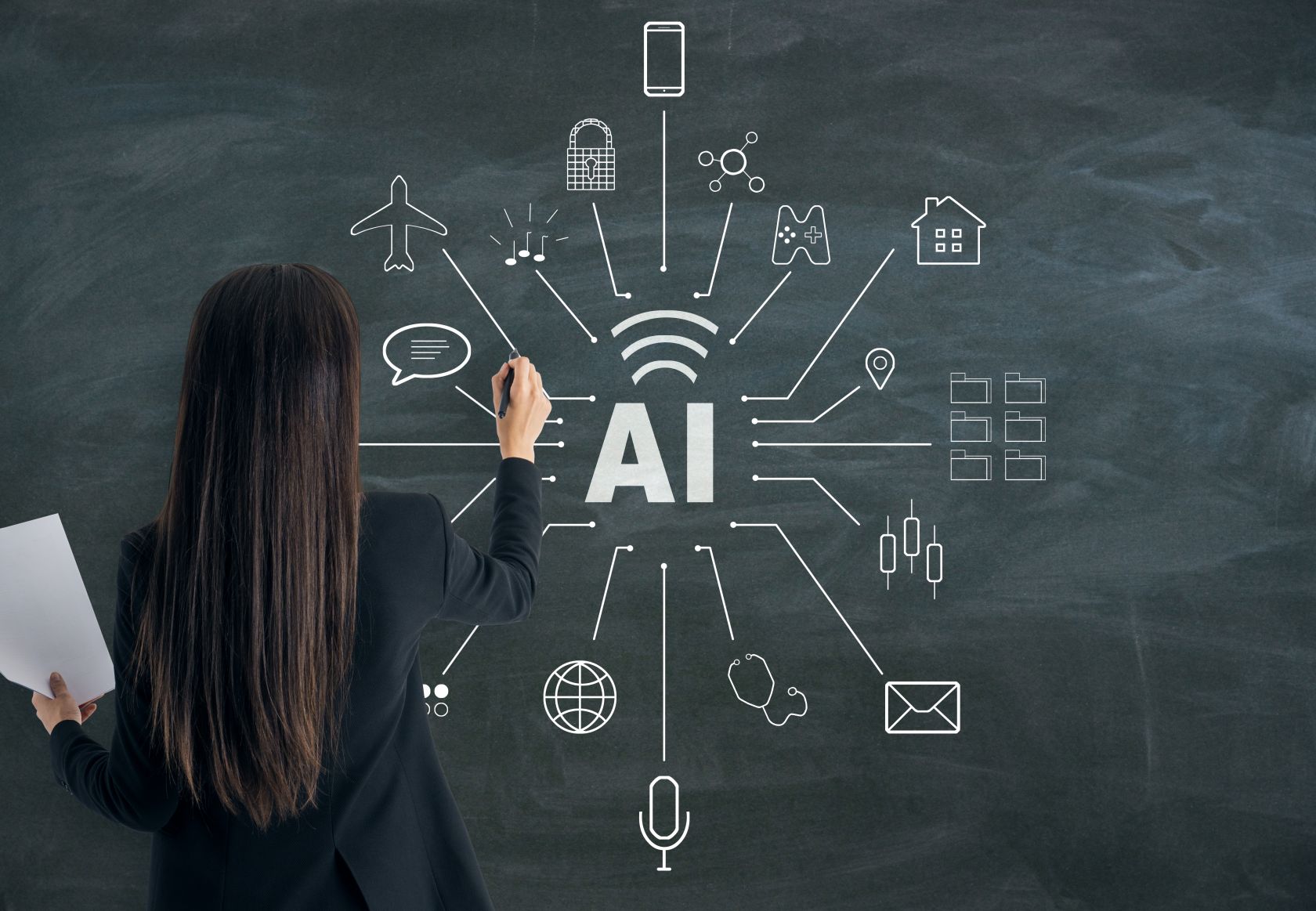
In real estate, the conclusion quickly follows: if fewer people are needed, fewer offices will also be needed. It is a possible interpretation, but probably too simple for an economic transformation of this magnitude.
A recent study by JLL shows a much more complex reality. Artificial intelligence is expected to replace some tasks and functions, but it will also significantly increase the productivity of many professions and create new activities and jobs. More interestingly, 60% of the companies analysed continue to expect to increase the number of employees in the next three to five years. In other words, the issue may not be that we have fewer offices, but that we need different offices.
This change may represent an opportunity for Portugal. Lisbon and Porto have built, in recent years, an interesting position in attracting technology companies, international service centres, startups and multinational operations. We have qualified talent, good language skills, security, quality of life and costs that are still competitive when compared to some of the main European capitals. At the same time, the country is receiving significant investments in data centres, submarine cables, renewable energy and digital infrastructure. The economy that will intensively use artificial intelligence is also starting to build part of its infrastructure in Portugal.
But this will have consequences on the real estate market. Technology companies and the most qualified professionals are not simply looking for square meters. They are looking for efficient, technologically prepared buildings, well served by transport and inserted in areas where it is possible to work, live and find services. The quality of the space has also become a tool to attract and retain talent.
Therefore, one of the consequences of AI may be to further increase the difference between good and bad assets. Modern, sustainable and well-located offices may continue to benefit from demand, while obsolete buildings will face greater occupancy and financing difficulties. Location will continue to be important, but energy efficiency, flexibility, technology and quality of experience will increasingly weigh on the valuation of a property.
There is, however, another challenge for Portugal. For years we have been able to attract international operations also because we had skilled workers at lower costs than in other European economies. Artificial intelligence will be able to progressively reduce this advantage. If a company manages to automate a significant part of the administrative tasks, the salary cost is no longer so decisive in the choice of location.
Portugal will therefore have to move up the value chain. Instead of competing only for service centres and administrative functions, we will have to attract engineering, research, artificial intelligence, technological development, management and decision-making centres.
This is where technological transformation can become a real estate opportunity. More technological investment means companies, skilled workers, offices, housing, services and new urban centralities.
AI will not only determine how many jobs there will be. It will also help decide where the most valuable jobs will be and which cities will be able to attract them.
Portugal has the conditions to be among these geographies. But as so often happens, having potential is just the beginning. The real challenge remains turning it into execution.
 Add as a preferred source on Google







 Portugal Handbook
 English
 Nederlands
 Deutsch
 Français
 Español
 Italiano
 Svenska
 Pусский
 中文
中文 Türkçe
 Português
 Czech
Czech Hungarian
 Polski
 عربي
عربي Suomi
Suomi עִברִית
 Português (Brasil)
Follow us on social media