


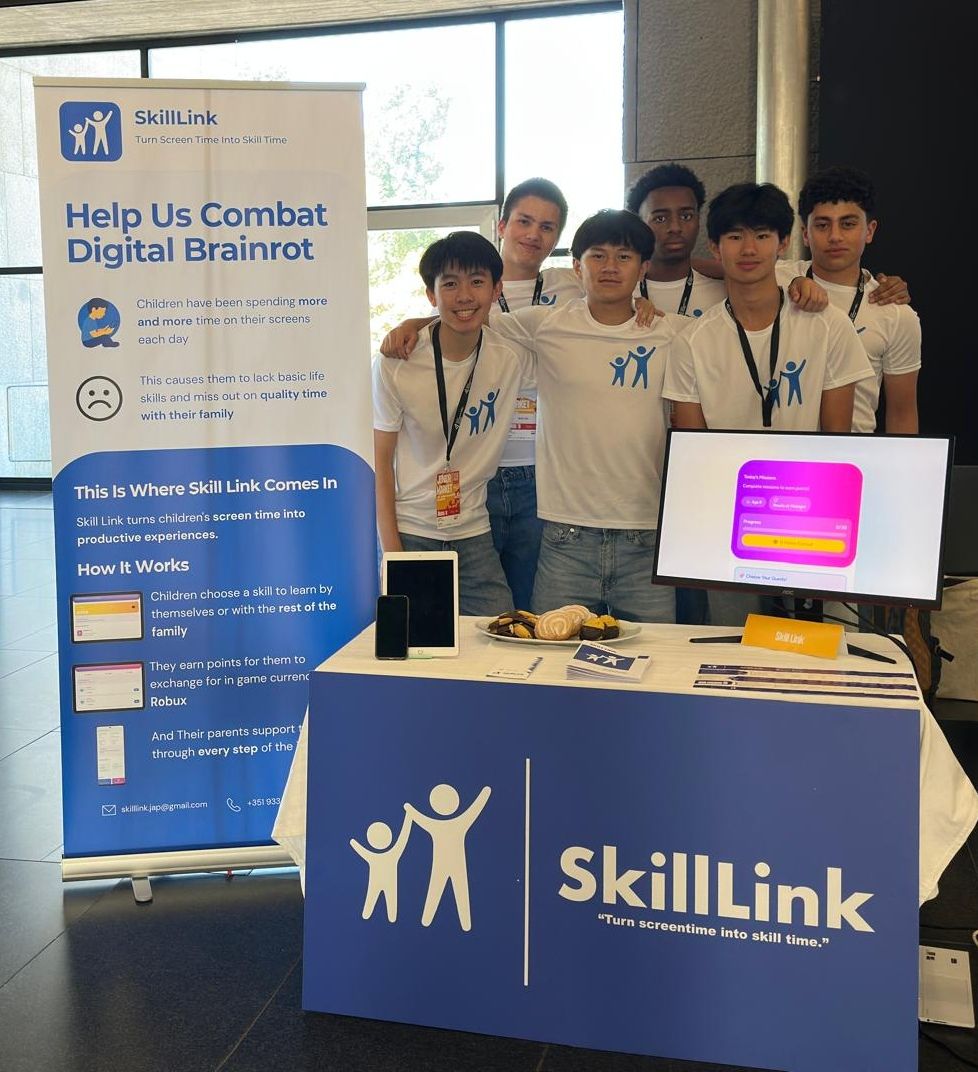
Students from the CLIB - Colégio Luso-Internacional de Braga have been named national finalists in the Junior Market Porto 2026 competition after developing an innovative educational app aimed at transforming children’s screen time into a more productive experience.
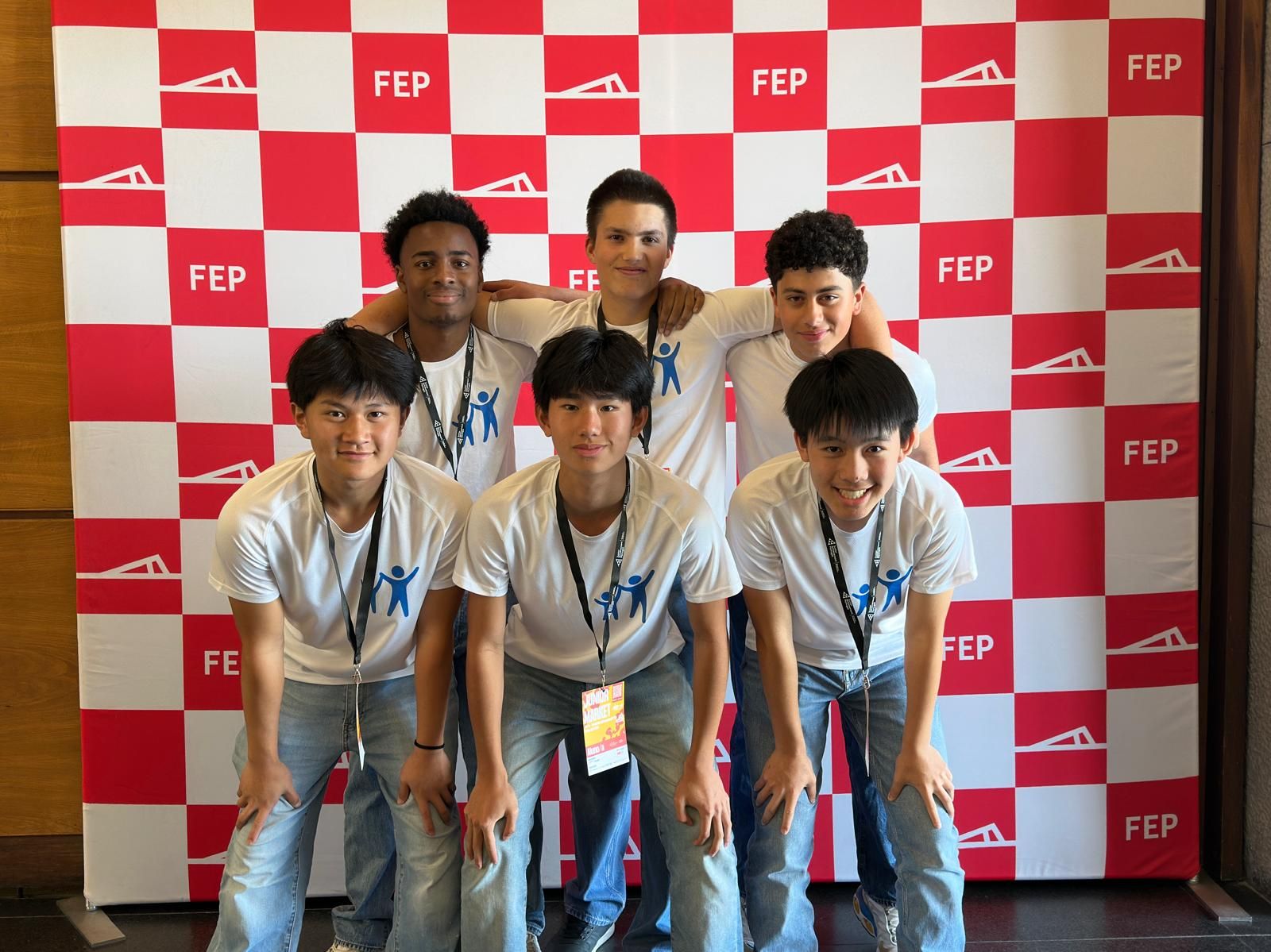
The project, called SkillLink, was created by six Year 10 students as part of the “A Empresa” programme, promoted by Junior Achievement Portugal. It addresses a growing concern among families and educators: the excessive and often unproductive use of digital devices by children.
An app that promotes real-world skills
Designed for children aged 6 to 12, the SkillLink app offers a fresh approach by encouraging practical, hands-on activities rather than passive screen use.
Through the platform, children can choose a skill – such as cooking, gardening, origami, sewing or basic household repairs – and follow simple, guided steps to put their learning into practice offline, in real-life settings.
Gamified learning with parental involvement
The app incorporates a gamified system that rewards children’s progress with digital badges and achievements, linking real-world accomplishments to engaging digital incentives. All activities are carried out with parental awareness and approval, helping families stay involved in their children’s development.
National recognition for innovation
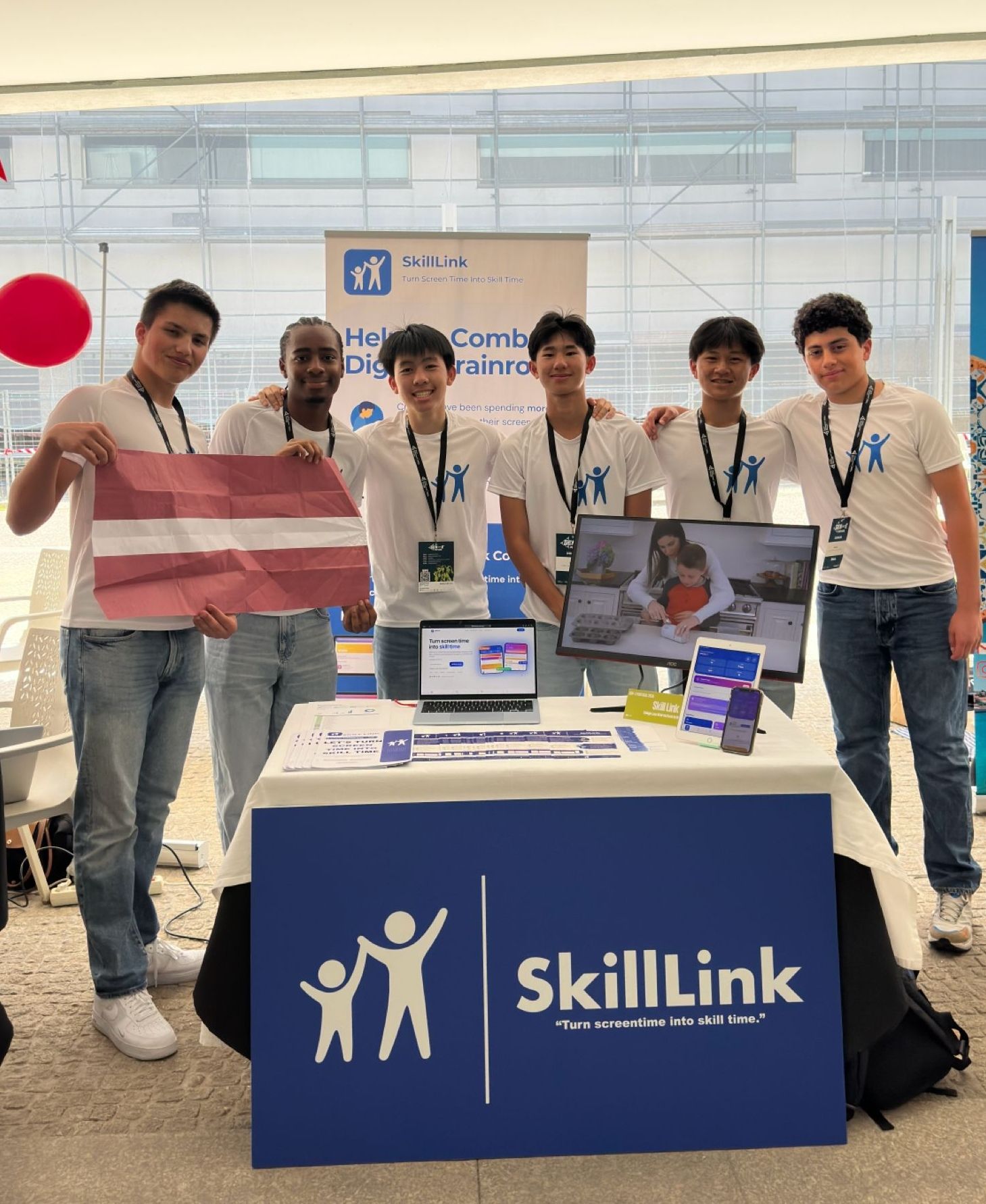
The project’s innovative concept and educational impact secured SkillLink a place at the Junior Market Porto 2026, qualifying the team for the national final, where they will represent CLIB alongside leading student projects from across the country.
A solution rooted in real family challenges
According to project mentor and CLIB teacher Amanda Chohfi, the recognition highlights both the relevance and creativity of the students’ work:
“It has been very rewarding to see students take a topic that is so present in everyday family life and turn it into a positive solution. SkillLink shows that screen time doesn’t have to be negative—it can become a starting point for developing independence, creativity and valuable real-life skills.”
Looking ahead
The app has also been designed with parents in mind, offering a more balanced approach to managing children’s digital habits. Future development could extend its use into schools and extracurricular programmes, broadening its educational impact.
SkillLink reflects wider global trends in education, which increasingly prioritise skills such as creativity, autonomy, problem-solving and self-management – key competences for the future.
Want to follow along to see if CLIB students win an award? Be sure to check out CLIB’s news for the latest, or contact CLIB to learn more about its vibrant student life.
 Add as a preferred source on Google





 Portugal Handbook
 English
 Nederlands
 Deutsch
 Français
 Español
 Italiano
 Svenska
 Pусский
 中文
中文 Türkçe
 Português
 Czech
Czech Hungarian
 Polski
 عربي
عربي Suomi
Suomi עִברִית
 Português (Brasil)
Follow us on social media