


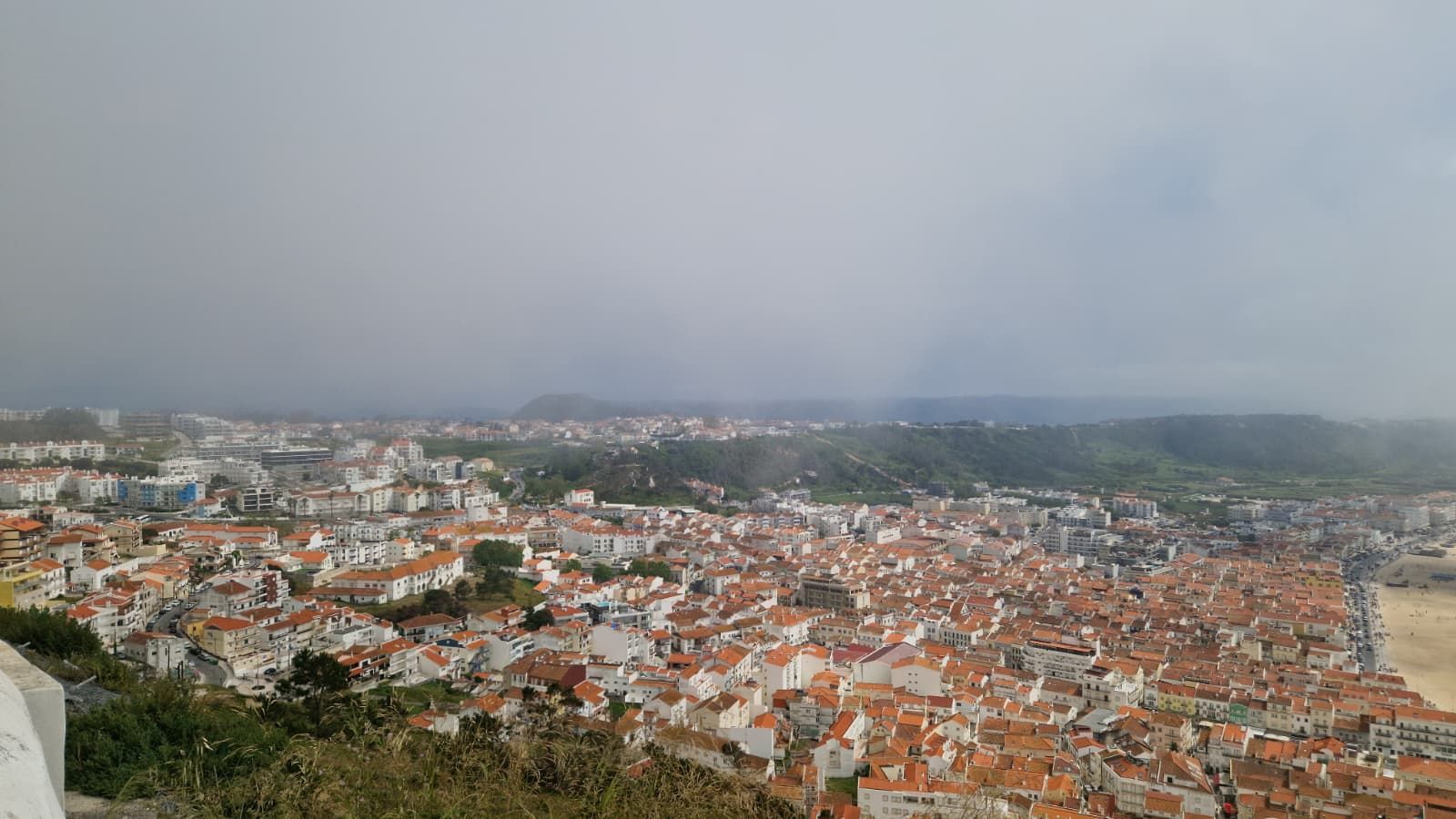
According to the latest data from the idealista price index, this new record marks the eighth consecutive monthly high, even though the year-on-year growth rate has slowed to 8.9%, down from 10.2% in May.
Ruben Marques, a spokesperson for the real estate platform, notes that this slowdown signals some moderation; however, the chronic shortage of housing supply relative to high demand continues to prevent a more significant price correction.
Trend of rising prices
The trend of rising prices extended to all district capitals and autonomous regions across the country, with the sharpest annual increases concentrated in the interior and lower-density areas.
Portalegre led the rise with a 25.8% surge, closely followed by Castelo Branco and Santarém, both recording increases exceeding 24%. In contrast, major urban centres saw more modest gains, with a 6.9% rise in Porto and 5.8% in Lisbon.
Most expensive city
Lisbon remains the most expensive city in which to purchase a home, with prices at €6,107 per square metre, followed by Porto at €4,053 and Funchal at €3,921. Guarda remains the most affordable district capital, recording a median price of €1,019 per square metre.
Regional level
At the regional level, the Alentejo region stood out with the highest annual appreciation, growing by 18.7%, in contrast to the North, which recorded the country's most moderate increase at 5.5%.
In a detailed analysis by district and island, the largest year-on-year increase was recorded on the island of Santa Maria in the Azores, with a 37.4% rise in value, while the neighbouring island of Faial stood out as the country's sole territorial exception, registering an 11.9% drop in prices.
Despite these geographical fluctuations, the Lisbon Metropolitan Area cemented its status as the country's most expensive region, with the median price per square metre reaching €4,403, while the Central region emerged as the most affordable area for purchasing a home, at an average of €1,786 per square metre.
 Add as a preferred source on Google







 Portugal Handbook
 English
 Nederlands
 Deutsch
 Français
 Español
 Italiano
 Svenska
 Pусский
 中文
中文 Türkçe
 Português
 Czech
Czech Hungarian
 Polski
 عربي
عربي Suomi
Suomi עִברִית
 Português (Brasil)
Of course, this is to be expected. Just keep on allowing everybody into the country and exorbitant housing prices is the result. It's a worldwide phenomenon. Open borders and excessive entry of foreigners will ruin any country and is eradicating nations before our eyes. Europeans are infected with a disease known as pathological altruism. They will commit suicide and extinction before turning anyone away, which is the greatest sin.
By Tony from USA on 01 Jul 2026, 23:01