


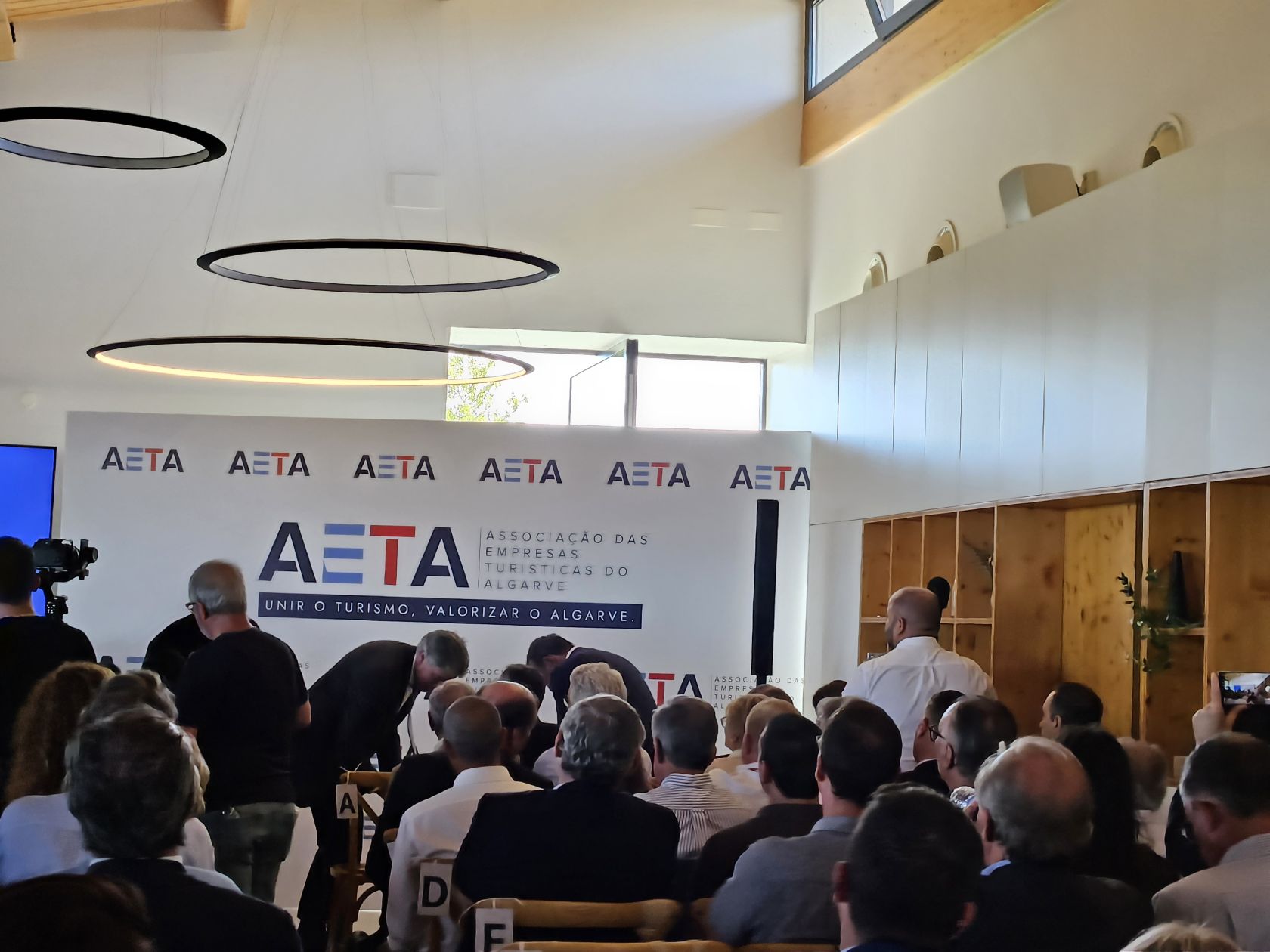
It was a moment that, in my opinion, deserves more attention than we normally dedicate to an associative reorganisation, because we are not only facing the union of the Association of Hotels and Tourist Enterprises of the Algarve and the Association of Hotel and Similar Industries of the Algarve. We are facing a decision that may represent an important change in the way the region's largest economic activity is organised, represented and heard.
The future Association of Tourism Companies of the Algarve, AETA, was born with a broader ambition. The name itself demonstrates this change: we are no longer just talking about hotels or restaurants, but about tourist companies in a broader sense, recognising that modern tourism is today an ecosystem where accommodation, restaurants, tourist entertainment, real estate linked to tourism, mobility, technology, services and many other activities coexist.
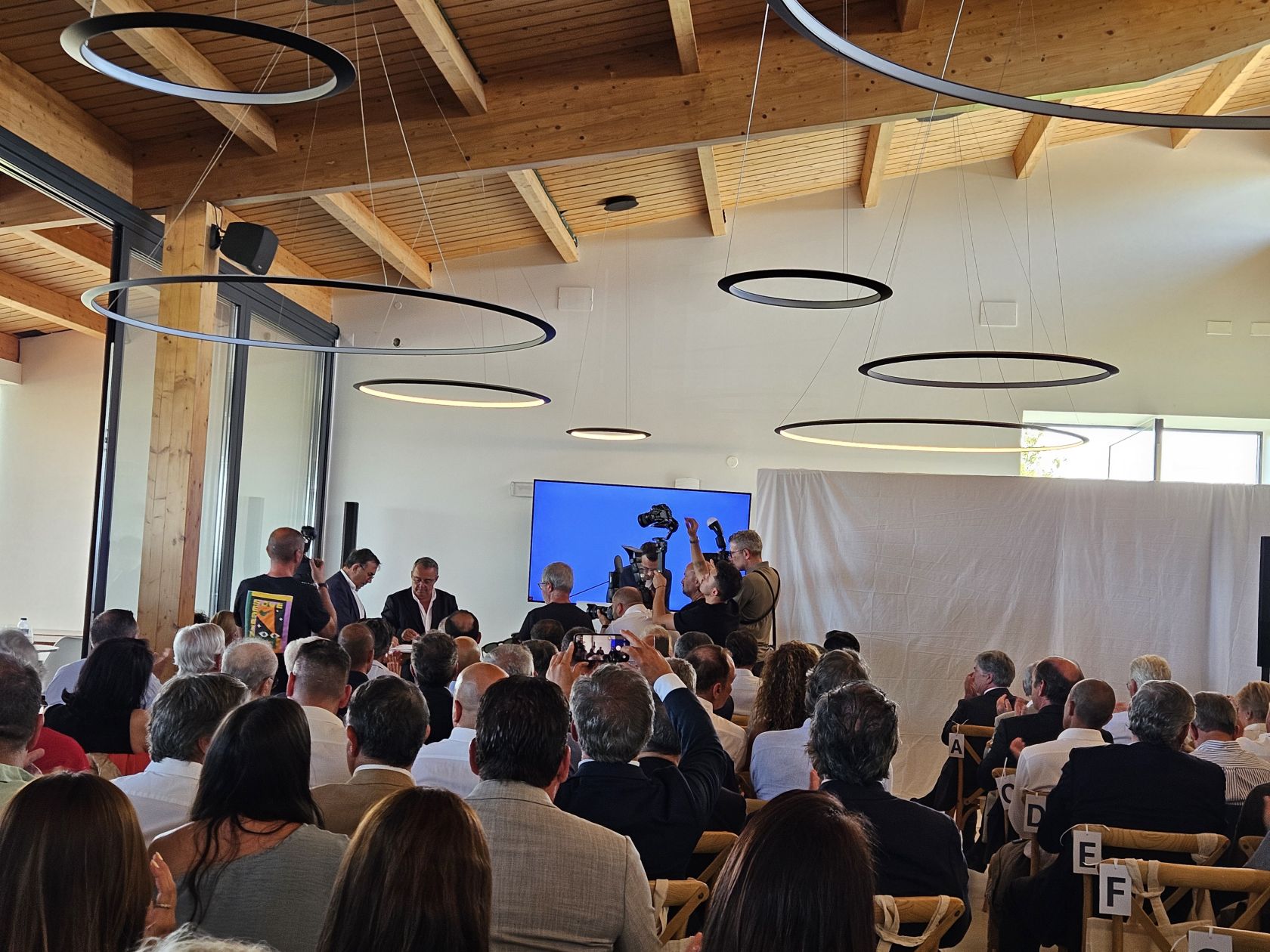
AHISA, created in 1971, represents about 900 members, while AHETA has approximately 300. The combination of these two structures will create an association with a very significant representativeness in a region where tourism continues to be the main economic engine. But for me, the real value of this decision is not just in the numbers: it is in the unity.
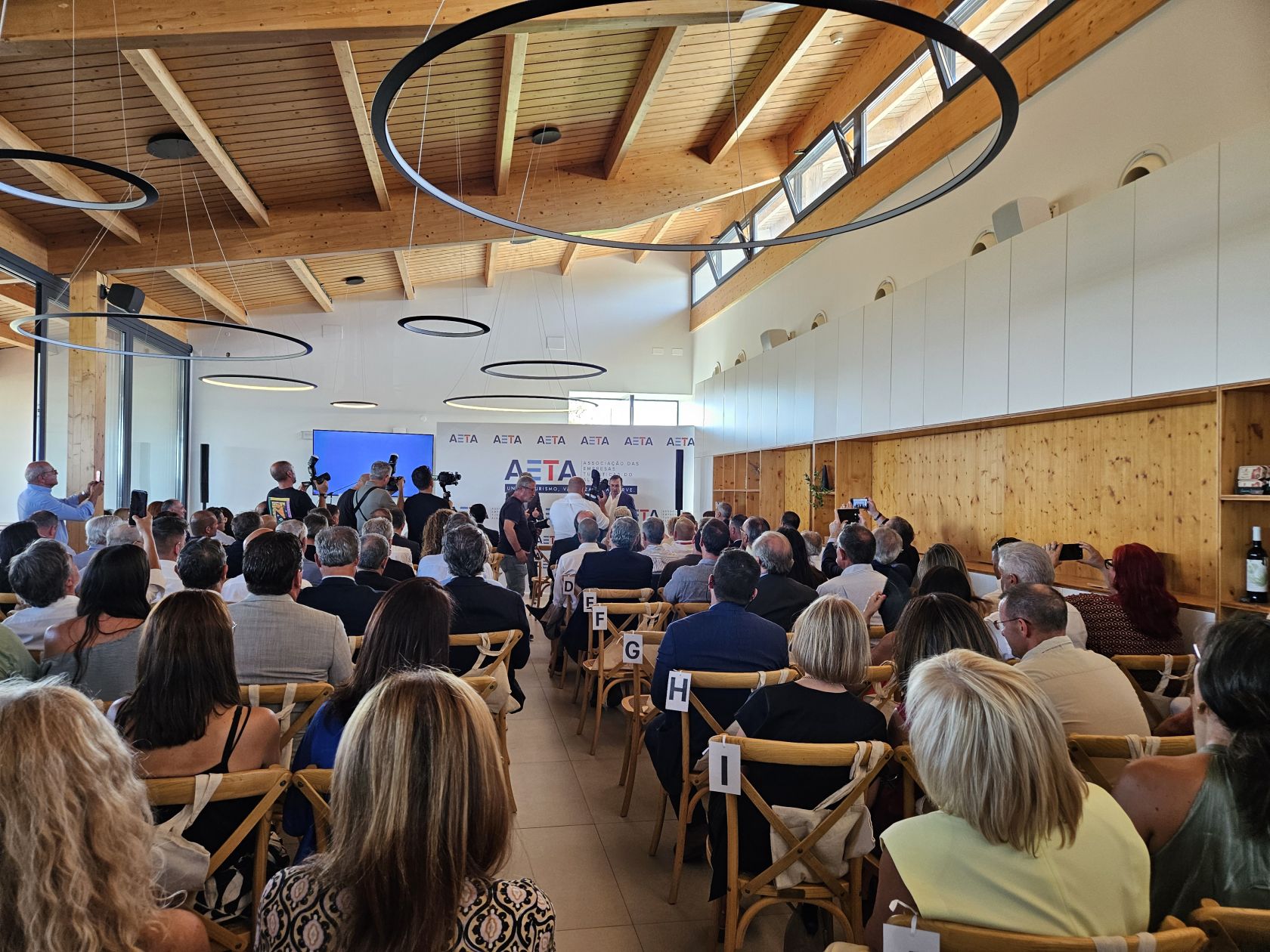
Hélder Martins said something during this process that deserves reflection: the tradition in the Algarve has often been to separate and disintegrate. Perhaps this is precisely one of the greatest historical problems in our region. We have 16 municipalities, multiple associations, different entities and legitimate interests, but too often dispersed. We talk a lot about the same problems, but we can't always speak with the same voice when it comes time to advocate for solutions.
I therefore consider this merger to be an excellent example. Bringing together two associations with different histories, cultures and decades of activity will certainly not be easy. It requires the ability to dialogue, compromise, trust and, above all, the understanding that the collective interest can be greater than the preservation of individual structures. It took the will of the current leaders, Hélder Martins and Daniel do Adro, to achieve what was discussed unsuccessfully for years.
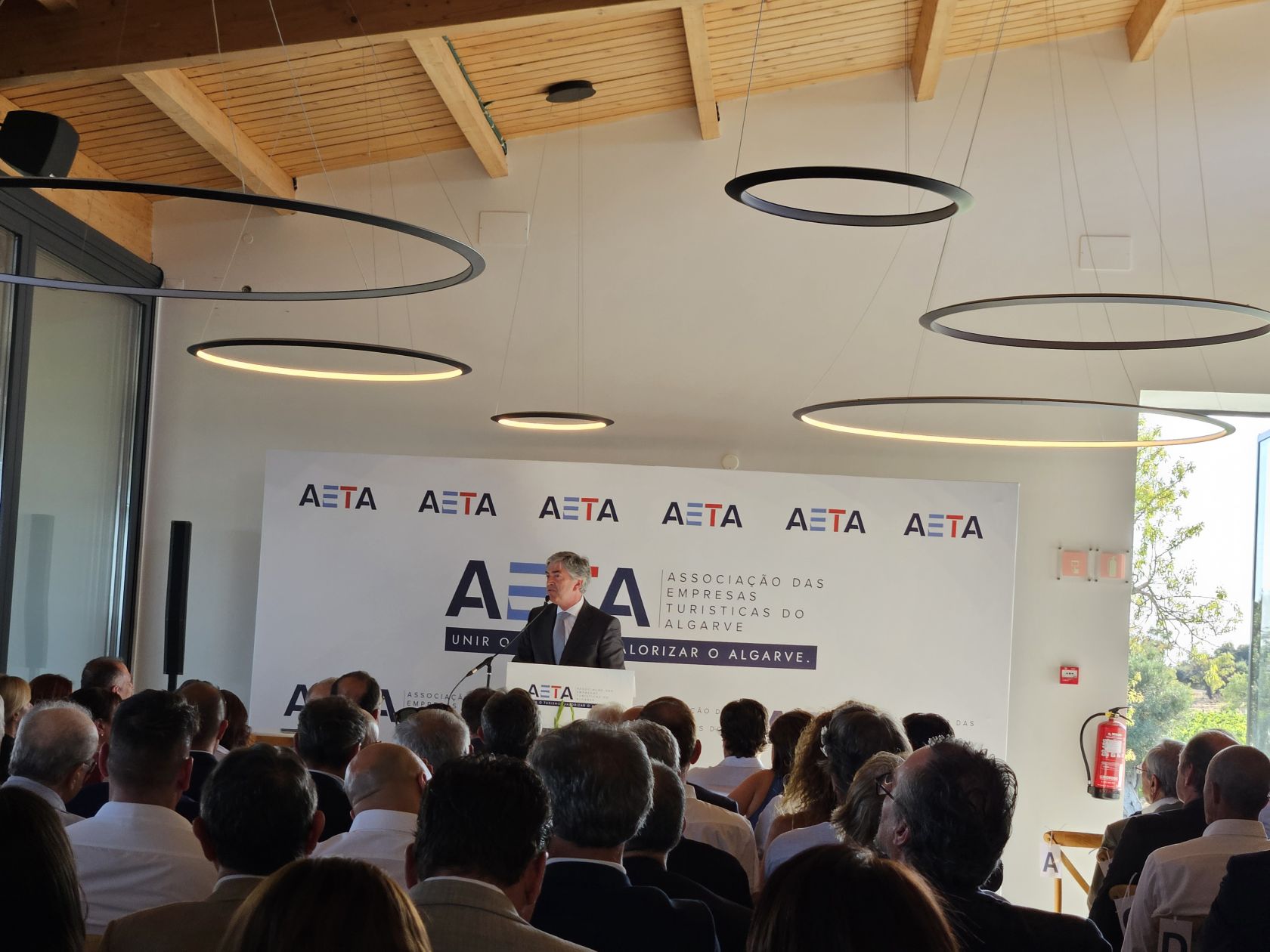
And perhaps that is the main message I take from this moment: the Algarve faces enormous challenges, like housing, lack of labour, mobility, water, qualification, sustainability, international competitiveness and technological adaptation are just some of them. No company, association or municipality will be able to respond to challenges of this dimension alone.
We need more cooperation and less fragmentation. We need greater capacity to unite interests and build common positions. Above all, we need to understand that a region that represents one of the biggest international brands in Portugal will always have more strength when it manages to present itself in a coordinated way.
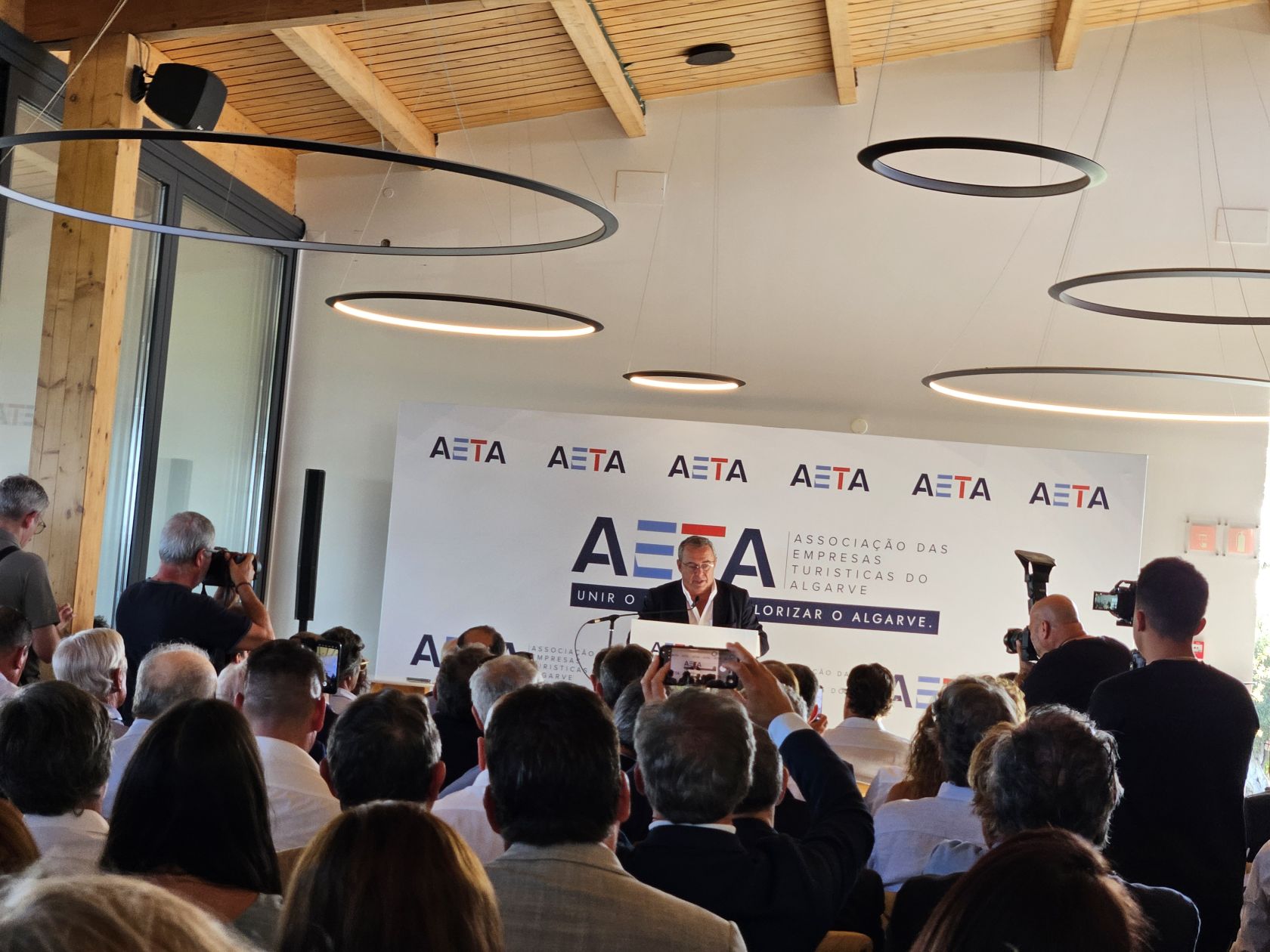
I therefore congratulate Hélder Martins, Daniel do Adro and the teams of the two associations for the courage and vision to move forward with this union. The signing of the memorandum is just the beginning of a process that should be completed by the end of 2026, but the signal has already been given.
In an Algarve where each entity so often speaks its own language, two of its main associations decided to do exactly the opposite: they decided to unite. And perhaps this is an example that many others should follow, because the Algarve does not need more competing voices to be heard. You need a voice strong enough to be heard.
 Add as a preferred source on Google










 Portugal Handbook
 English
 Nederlands
 Deutsch
 Français
 Español
 Italiano
 Svenska
 Pусский
 中文
中文 Türkçe
 Português
 Czech
Czech Hungarian
 Polski
 عربي
عربي Suomi
Suomi עִברִית
 Português (Brasil)
Follow us on social media