


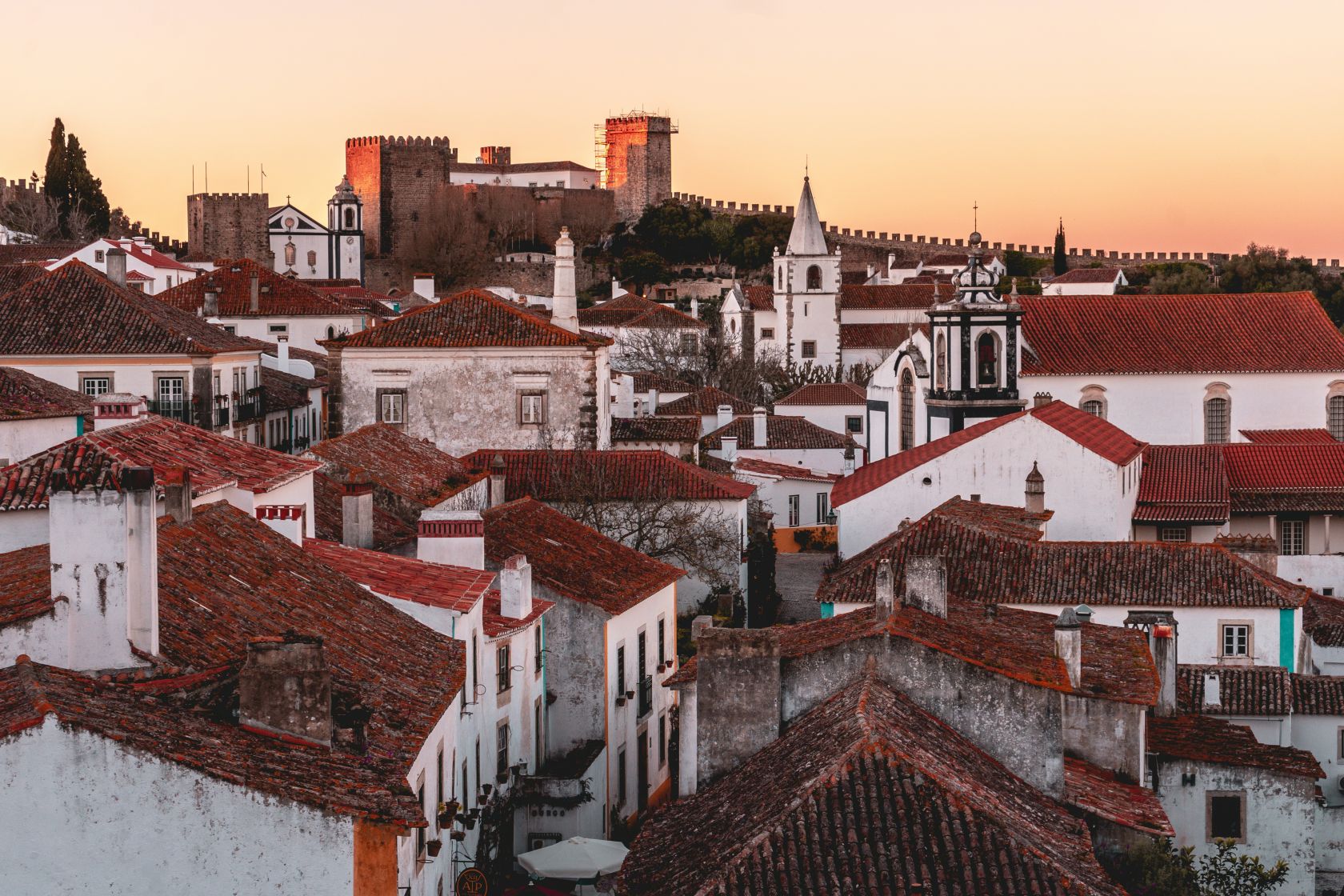
Once seen mainly as a seasonal destination, the area is now attracting year-round residents, second-home buyers and long-term investors, reflecting a broader shift in the country's property market.
The latest Engel & Völkers Market Report for 2025-2026 suggests the Oeste is no longer being seen simply as a place for summer holidays. Across Alcobaça, Caldas da Rainha, Óbidos and Peniche, almost 6,900 homes changed hands last year – around 9% more than in 2024. Estate agents say they're seeing more people buying with the intention of living there year-round, rather than just spending a few weeks by the coast.
The appeal is easy to understand. Compared with Lisbon, buyers can often find larger homes, more outdoor space and closer access to nature, while remaining within a reasonable distance of the capital. Coastal scenery, historic towns and a slower pace of life have become just as important as investment potential.
International buyers continue to play a significant role in the market. More than half of all transactions in the region were completed by foreign purchasers, particularly from the United States, Germany and France, while Portuguese buyers accounted for the remaining share. Investment properties and second homes together represented the majority of purchases, although demand for permanent residences is also growing.
The region is also attracting a new generation of buyers. Alongside traditional family purchasers, digital professionals and remote workers are increasingly choosing the Oeste for its combination of lifestyle, connectivity and comparatively competitive prices. Average sale prices have continued to rise as demand strengthens.
The building sector is responding too. More homes were completed across the Oeste last year, while new housing developments continue to appear as developers look to meet growing demand.
Part of a bigger shift
What's happening in the Oeste isn't unique. As buying a home in Lisbon becomes increasingly out of reach for many people, buyers are widening their search and discovering other parts of the country that offer better value without sacrificing convenience. For many, the Oeste strikes that balance – close enough to the capital for commuting when needed, but with more space, a slower pace of life and, in many cases, a significantly lower price tag.
For international residents relocating to Portugal, the Oeste presents an attractive combination of beaches, historic towns, vineyards and easy access to Lisbon, without the intensity of city living. Improved infrastructure, remote working opportunities and a growing range of services mean many buyers no longer see the capital as their only realistic option.
Rather than replacing Lisbon, the Oeste is establishing itself as a complementary residential corridor—one where people can enjoy more space and a different lifestyle while remaining connected to Portugal's economic centre. If current trends continue, the region looks set to become one of the country's most closely watched property markets over the next few years.
The price gap also helps explain why interest in the Oeste continues to grow. idealista's latest price index revealed that homes in the municipality of Lisbon averaged around €6,107 per square metre in June 2026. By comparison, nearby municipalities such as Torres Vedras averaged €2,316/m², Lourinhã €2,271/m², while Alenquer stood at €2,193/m². Although prices in sought-after coastal areas of the Oeste are rising, buyers can still find significantly more space for their budget than in the capital, which makes the region increasingly attractive to families, remote workers and international buyers looking for better value.
 Add as a preferred source on Google










 Portugal Handbook
 English
 Nederlands
 Deutsch
 Français
 Español
 Italiano
 Svenska
 Pусский
 中文
中文 Türkçe
 Português
 Czech
Czech Hungarian
 Polski
 عربي
عربي Suomi
Suomi עִברִית
 Português (Brasil)
Follow us on social media