


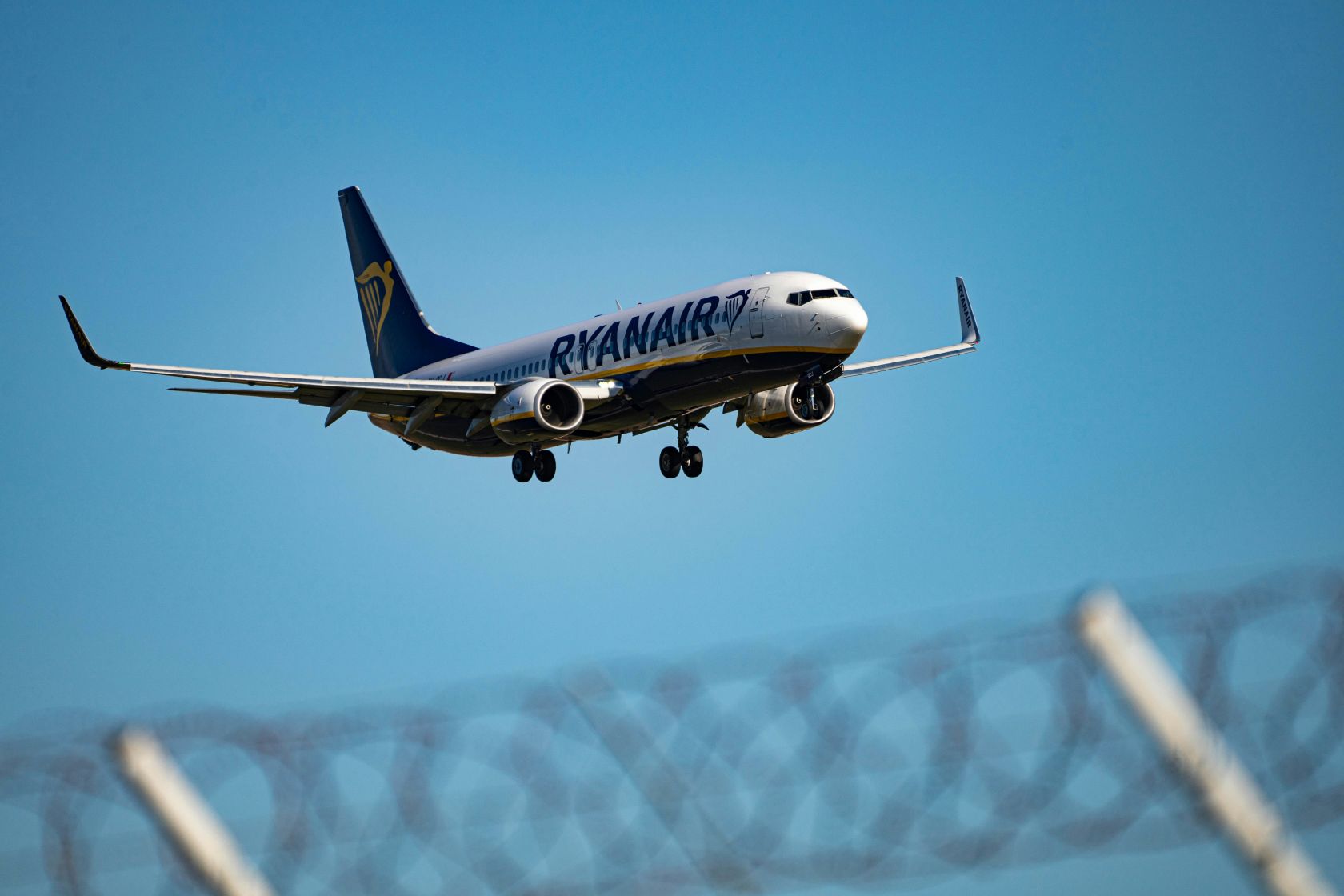
Ryanair reported a sharp fall in quarterly profit despite carrying more passengers, with higher fuel costs and lower ticket prices weighing on the airline’s financial performance, Publituris reports.
The low-cost carrier posted a net profit of 538 million euros during the first quarter of its 2027 financial year, covering the period from April to June. The figure represents a 34 percent decline compared with the 820 million euros recorded during the same period last year.
Passenger numbers continue to rise
Between April and June, Ryanair carried 61.3 million passengers, an increase of 6 percent compared with the same period a year earlier.
Despite the higher passenger volume, average airfares fell by 6 percent. Ryanair said the conflict in the Middle East contributed to greater consumer caution and concerns over aviation fuel supplies, leading many travellers to delay booking flights.
Revenue increased by just 1 percent to 4.38 billion euros, while revenue per passenger declined by 5 percent as ticket prices came under pressure.
Operating costs increase
Operating costs rose by 11 percent to 3.81 billion euros during the quarter. Ryanair said the increase was driven by a sharp rise in aviation fuel prices, with uncovered fuel costs climbing by 20 percent amid supply concerns linked to the conflict in the Middle East.
In a statement, Ryanair Group CEO Michael O’Leary said the airline has secured around 80 percent of its fuel requirements for the 2027 financial year at approximately 67 dollars per barrel. He said the strategy helps protect the group’s profitability while strengthening its competitive position against rival airlines.
Airline maintains passenger forecast
Looking ahead, Ryanair expects passenger numbers to grow by around 4 percent during the current financial year, reaching approximately 216 million travellers by the end of March 2027.
The airline noted, however, that costs for the final three months of the financial year will depend on the remaining 20 percent of fuel purchases that have not yet been hedged, leaving results partly exposed to future movements in fuel prices.
 Add as a preferred source on Google







 Portugal Handbook
 English
 Nederlands
 Deutsch
 Français
 Español
 Italiano
 Svenska
 Pусский
 中文
中文 Türkçe
 Português
 Czech
Czech Hungarian
 Polski
 عربي
عربي Suomi
Suomi עִברִית
 Português (Brasil)
Follow us on social media