



Portugal is regularly ranked among the friendliest and safest countries in the world, and it’s easy to see why. Visitors often speak of warm welcomes, relaxed afternoons and an atmosphere that feels refreshingly unhurried.
While there are very few rigid social rules, Portugal does have countless small customs that shape everyday life. They are rarely written down, but understanding them can help you navigate daily life with confidence and connect more easily with local people.
The good news is that Portuguese people are generally forgiving if visitors make an honest mistake. Making an effort is often valued far more than getting everything right.
Whether you’re holidaying in the Algarve, spending a weekend in Porto or planning a permanent move, these customs will help you feel a little more at home.
1. Always greet people
One of the simplest ways to make a good impression is to acknowledge people when you enter a small shop, café or waiting room.
A friendly “Bom dia”, “Boa tarde” or “Boa noite” goes a long way and is considered basic courtesy.
2. You’ll hear “Tudo bem?” everywhere
After the greeting often comes another phrase you’ll quickly become familiar with.
“Tudo bem?”, meaning “Everything good?” or simply “How are you?”, is one of the most common expressions in Portugal.
Don’t worry about giving a long answer. A simple “Tudo bem!” is perfectly normal.
3. Don’t jump straight into business
Portuguese conversations often begin with small talk.
People usually ask how you are, comment on the weather or chat briefly before discussing the reason they’ve met you.
Relationships often come before transactions.
4. Try speaking Portuguese
Even if your Portuguese extends only to “Obrigado”, “Por favor” and “Tudo bem?”, locals generally appreciate the effort.
Many Portuguese speak excellent English, but attempting a few words shows respect for the country and its culture.
5. Coffee is a ritual
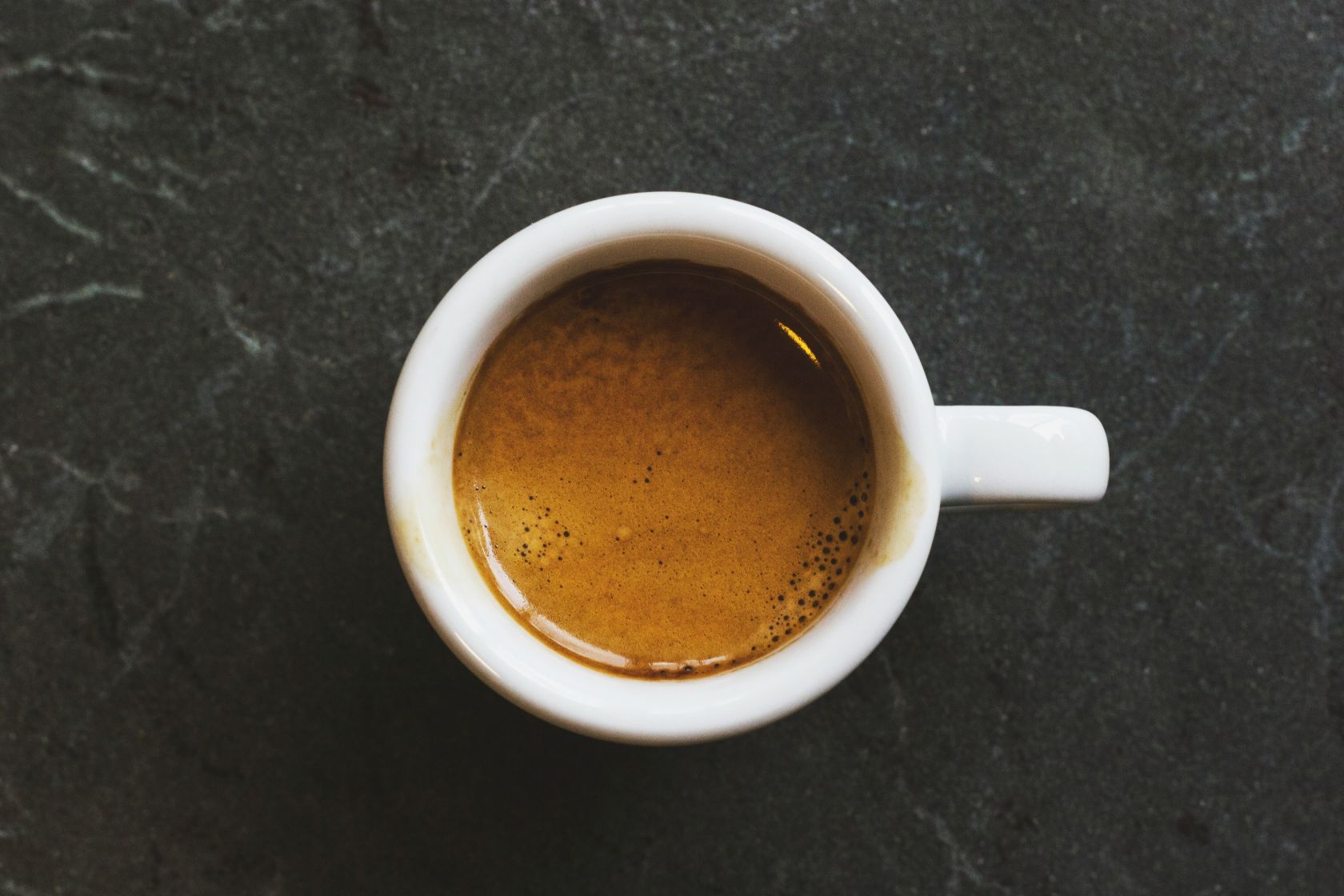
Coffee isn’t simply something to grab on the way to work.
Many Portuguese stop at their neighbourhood café every day for a quick espresso, known locally as a bica in Lisbon or a cimbalino in Porto.
It’s often enjoyed standing at the counter while chatting with staff or neighbours.
6. Don’t expect your meal to be rushed
Dining in Portugal is meant to be enjoyed.
Waiters won’t usually interrupt your conversation or automatically bring the bill.
When you’re ready to leave, simply ask:
“A conta, por favor.”
7. Lunch is still important
Unlike in many countries where lunch is eaten quickly at a desk, Portugal continues to value a proper midday meal.
Many restaurants offer affordable lunch menus, and families often gather together on Sundays for long lunches that stretch well into the afternoon.
8. Learn how queues work
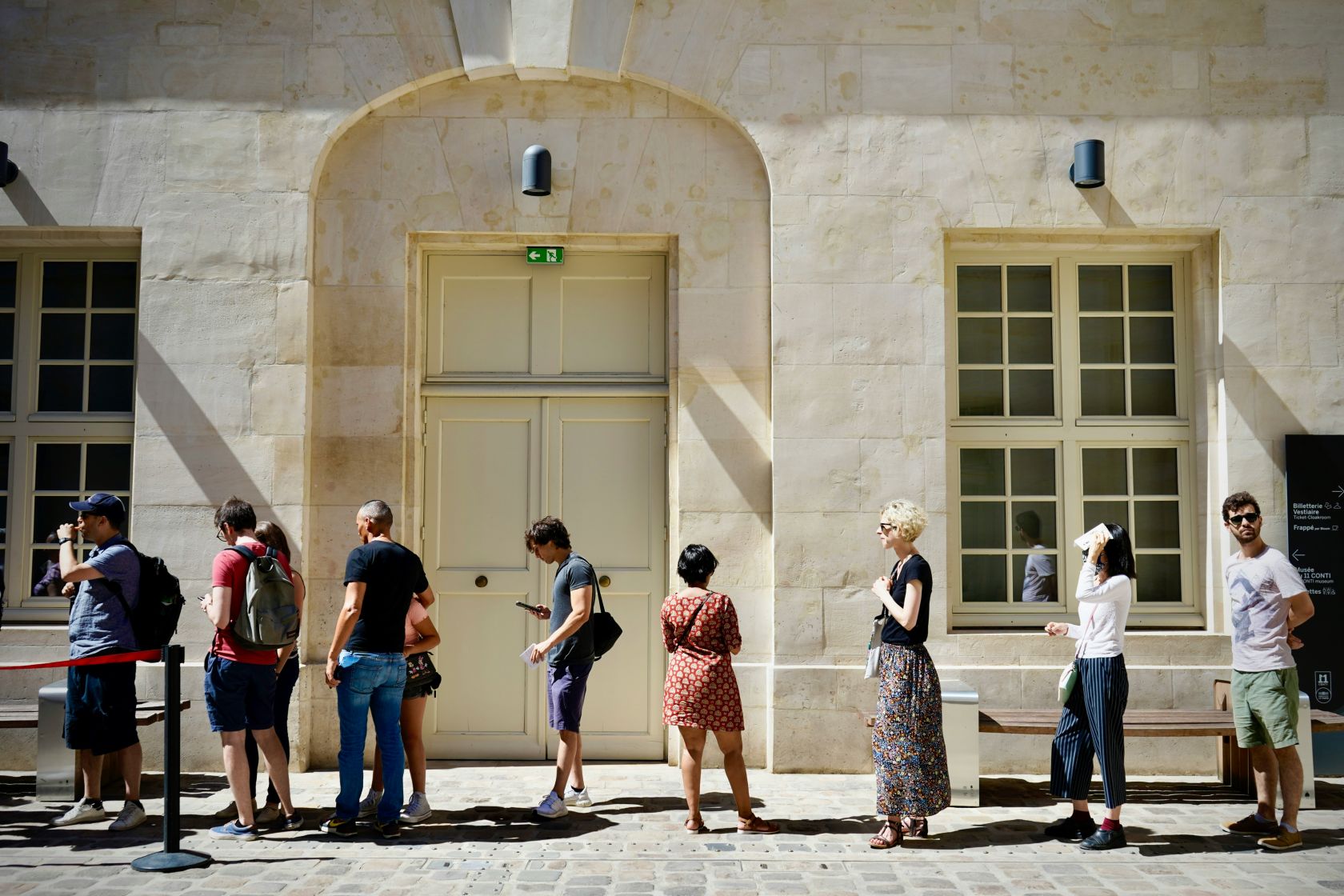
In supermarkets, people generally queue in a traditional line.
But in bakeries, pharmacies, fish counters and government offices, you often need to take a numbered ticket before waiting.
Many newcomers have discovered this only after standing patiently for ten minutes.
9. Dress smartly
Portugal isn’t especially formal, but people generally take pride in their appearance.
Even in beach towns, locals usually change out of swimwear before heading into shops or restaurants.
10. Family comes first
Family life remains central to Portuguese culture.
Grandparents often help raise grandchildren, several generations frequently spend weekends together and family celebrations remain important throughout the year.
11. Children are welcome
Unlike in some countries, children are naturally included in everyday life.
You’ll often see families with young children enjoying dinner together late into the evening, particularly during the summer months.
12. Respect quiet hours
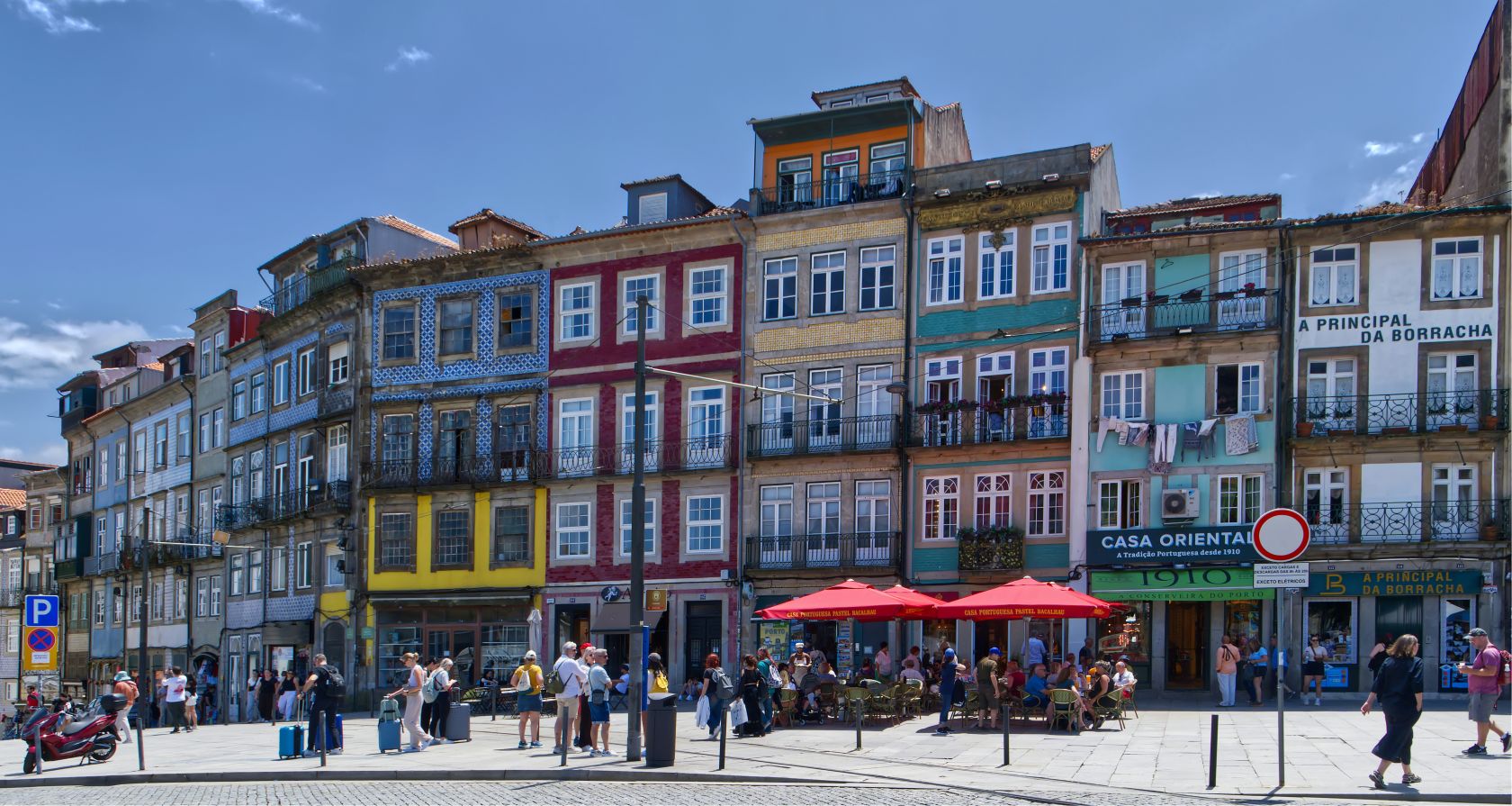
Many apartment buildings observe quiet periods, especially late at night and during the early afternoon.
Being considerate of neighbours is an important part of community life.
13. Tipping is appreciated, not expected
Service charges are not normally included.
Most people simply round up the bill or leave a euro or two.
For exceptional restaurant service, five to ten percent is considered generous.
14. Bureaucracy takes patience
Anyone living in Portugal will eventually encounter bureaucracy.
You may need several appointments, additional paperwork or another photocopy you didn’t know was required.
Patience and occasionally a sense of humour can be your greatest asset.
15. Festivals are part of life
Every town seems to have its own annual festa, celebrating everything from patron saints to sardines.
These events are an important part of Portuguese identity and often bring entire communities together.
16. Dinner starts later than you might expect
Restaurants often become busiest after 8pm, particularly during summer.
If you’re looking for a lively atmosphere, eating at 6pm may leave you with the place almost to yourself.
17. Two kisses are common
Among friends and family, greetings often involve two light kisses on the cheeks, usually starting on the right.
In business settings or when meeting someone for the first time, a handshake is still the safest option.
18. Think before criticising Portugal
Portuguese people often joke about politics, bureaucracy or football.
Visitors who immediately begin criticising the country, however, may unintentionally come across as disrespectful.
Curiosity is usually a better conversation starter than comparison.
19. Life happens outdoors
Town squares, seaside promenades and neighbourhood cafés are extensions of people’s living rooms.
Evenings are often spent strolling, chatting or enjoying a coffee rather than rushing home.
It’s one of the reasons Portugal’s cities and towns feel so sociable.
20. Slow down
Perhaps the biggest lesson Portugal teaches isn’t really etiquette at all.
Life simply moves at a different pace.
Coffee is savoured.
Lunch lasts longer.
Conversations aren’t checked against a clock.
For many newcomers, this slower pace feels unfamiliar at first. Eventually, it often becomes one of the things they value most.
Portugal’s etiquette isn’t about memorising rules or worrying about making mistakes. It’s about showing respect, greeting people warmly, being patient and embracing a culture that places relationships and community at the centre of everyday life.
Visitors who adopt that mindset often discover that they don’t just enjoy Portugal more, they begin to understand why so many people choose to make it home.
 Add as a preferred source on Google







 Portugal Handbook
 English
 Nederlands
 Deutsch
 Français
 Español
 Italiano
 Svenska
 Pусский
 中文
中文 Türkçe
 Português
 Czech
Czech Hungarian
 Polski
 عربي
عربي Suomi
Suomi עִברִית
 Português (Brasil)
I would say this article is correct. However I think there is an important distinction between friendly and friends. I have often heard it said among immigrants in Portugal that Portuguese people will not readily invite you into their house. Even inviting someone to your house for dinner for example is met with caution/reservation.
By Chip from Lisbon on 29 Jul 2026, 10:07