


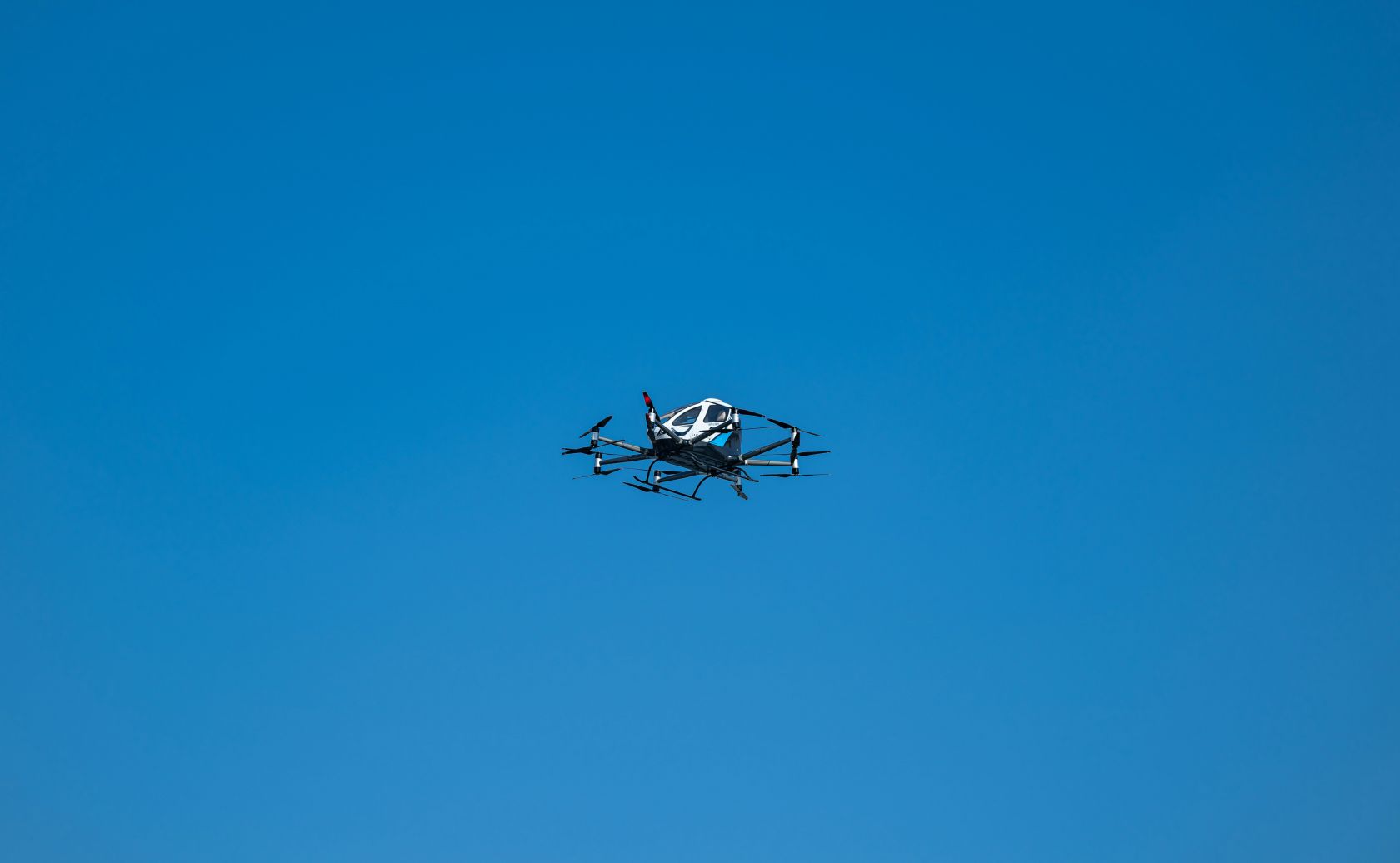
The companies have signed a Memorandum of Understanding (MoU) to study how electric vertical take-off and landing (eVTOL) aircraft could eventually become part of the transport infrastructure serving the 400-hectare estate, which includes the future Six Senses Comporta resort.
Rather than confirming commercial flights, the agreement focuses on assessing the site’s suitability for future infrastructure, operational testing and customer demand as electric aviation technology continues to develop.
Looking beyond roads
Known as eVTOL aircraft, these electric vehicles are designed to take off and land vertically like helicopters while flying more efficiently using fixed wings during cruise. They are widely viewed as a potential solution for short regional journeys, offering lower noise levels and zero direct operational emissions compared with conventional helicopters.
Under the agreement, VIC Properties and Vertical Aerospace will examine how electric air travel could improve access to one of Portugal’s most exclusive coastal destinations while reducing road traffic and supporting more sustainable transport options.
João Cabaça, Co-founder and Chief Executive Officer of VIC Properties, said the company sees future air mobility as a natural extension of long-term planning for next-generation residential and hospitality developments.
Electric aviation gathers pace
Vertical Aerospace is developing its Valo eVTOL aircraft, which is designed to carry a pilot and passengers on short regional routes. The company has already completed public demonstration flights and is working towards regulatory certification, although commercial entry into service is currently targeted for 2029.
The agreement in Portugal follows similar partnerships announced by Vertical in other European markets as the company expands its network of future operators and infrastructure partners.
A glimpse of future tourism
While electric air mobility remains in its early stages, interest has grown rapidly across Europe, with airports, property developers and transport companies investigating how so-called “vertiports” could eventually complement existing transport networks.
For Portugal, where premium tourism and sustainable development are increasingly important, projects such as Pinheirinho Comporta could provide an opportunity to test how new transport technologies fit alongside luxury hospitality and environmentally conscious design.
Although commercial electric flights in Portugal are still several years away, the partnership marks one of the country’s clearest signals yet that advanced air mobility is beginning to move from concept towards practical planning.
 Add as a preferred source on Google







 Portugal Handbook
 English
 Nederlands
 Deutsch
 Français
 Español
 Italiano
 Svenska
 Pусский
 中文
中文 Türkçe
 Português
 Czech
Czech Hungarian
 Polski
 عربي
عربي Suomi
Suomi עִברִית
 Português (Brasil)
Follow us on social media