


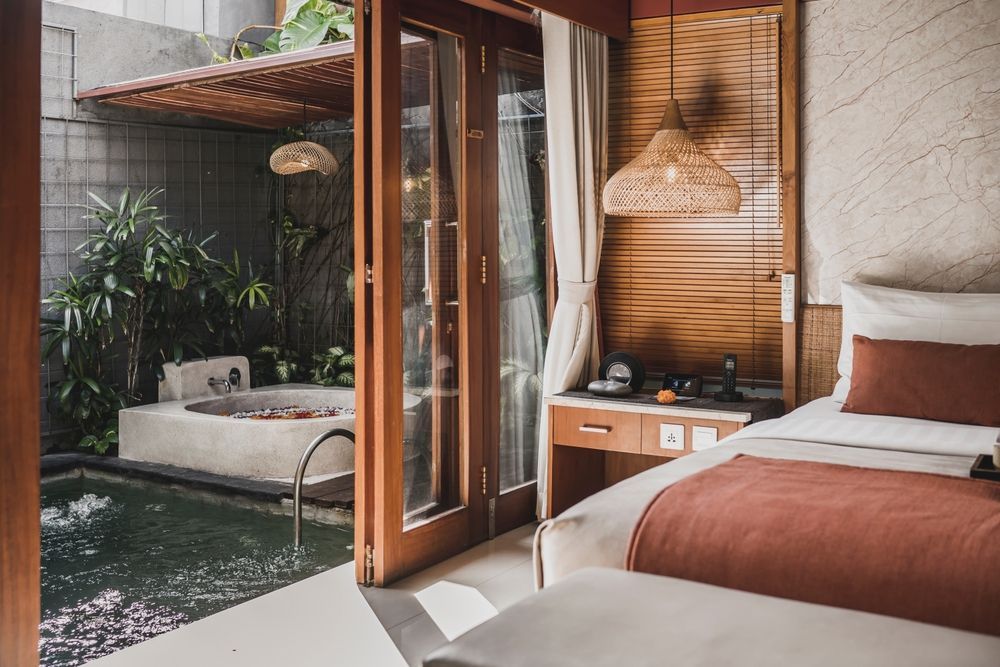
A growing number of affluent buyers are no longer asking "how impressive is this house?" but "how well will this house let me live, for as long as possible?"
That shift explains why longevity – through health, fitness and long-term accessibility - has become the defining idea in the new generation of luxury new developments springing up across Lisbon, the Algarve, Cascais and Madeira.
And crucially, it's a trend that favours new-build properties over older stock.
Longevity-driven design cannot easily be retrofitted into a resale villa; it has to be engineered in from the foundations up.
New-build luxury schemes are increasingly designed around circadian-responsive lighting, filtered air systems, acoustic insulation for genuine rest, and layouts that accommodate mobility changes decades before they're needed.
Recovery suites with cold plunge pools, infrared saunas and dedicated stretching or Pilates studios are now standard specification items in top-tier developments, rather than expensive add-ons.
Off-plan and newly completed schemes have a structural advantage here.
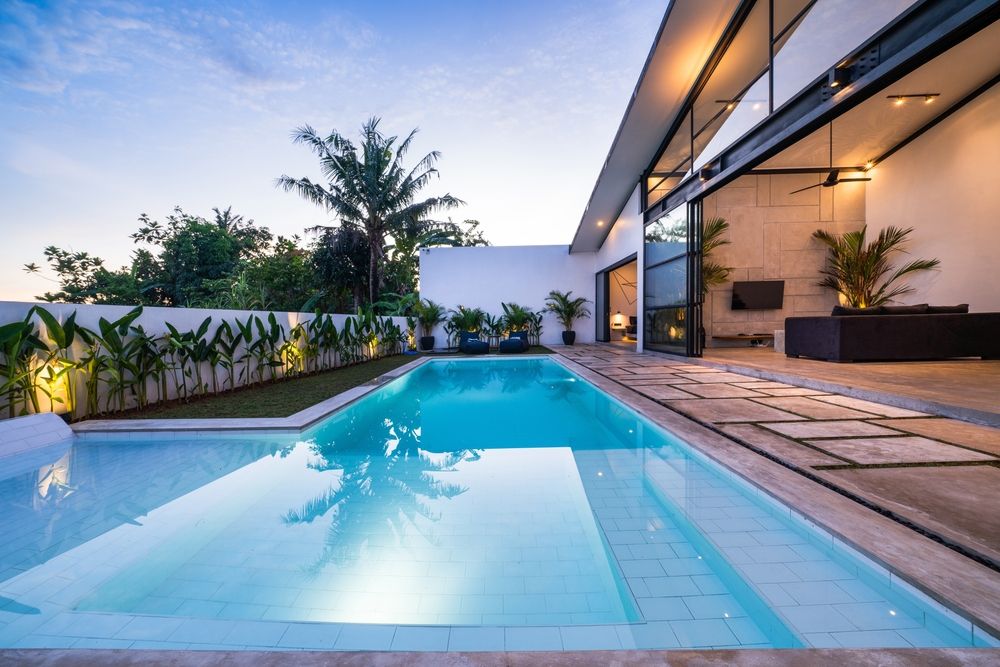
Architects can plan for wider doorways, step-free access, and wellness infrastructure such as hydrotherapy or air-purification systems from day one, rather than squeezing them into a period property.
This is one reason the Global Wellness Institute projects wellness-related real estate to become a market worth well over a trillion dollars globally within the next few years.
Portugal already had the ingredients that make this trend land particularly well: reliable sunshine, low crime, a temperate climate and a coastline that invites daily movement.
Luxury new home developers in Portugal are now building directly on top of those natural advantages rather than around them - positioning schemes near the sea, hillside walking routes and green corridors, and designing communal spaces that encourage residents to be outdoors and active rather than isolated behind gates.
A number of new-build communities in Cascais, the Comporta area and parts of Madeira are explicitly marketing themselves on this basis: not simply "sea view apartments" but developments built around movement, air quality, natural light and long-term independent living.
Interestingly, the appetite isn't confined to retirees planning their later years.
Buyers in their 30s and 40s - many from technology, finance and entrepreneurial backgrounds - are increasingly commissioning or reserving these properties off-plan, often years before they intend to relocate full-time.
For many of these buyers, having health-supporting infrastructure built in from day one now matters more in the purchase decision than tax treatment or potential capital growth.
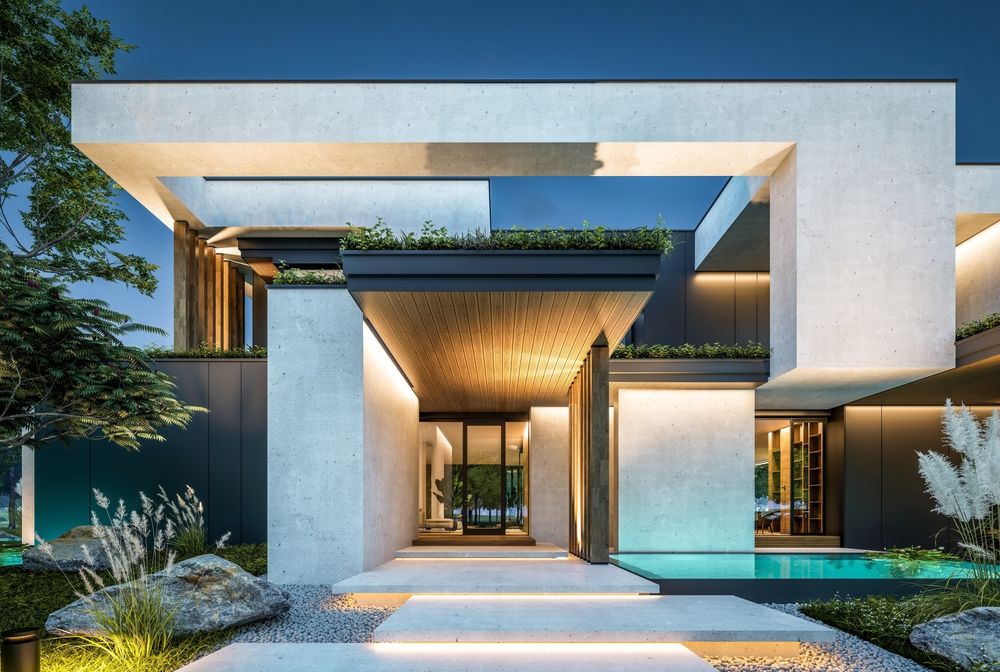
That's a meaningful change in buyer psychology, and it rewards developments designed with longevity as a founding principle rather than a marketing afterthought.
Much of this new-build thinking draws on the so-called Blue Zones - the handful of regions worldwide, including Sardinia and Okinawa - where healthy centenarians are far more common than the global average.
The common threads in those places aren't found in any single house, but in walkable neighbourhoods, everyday contact with nature and strong community bonds.
If longevity really is reshaping what luxury means, the logical place to look isn't the resale market - it's the next wave of purpose-built developments where wellness has been part of the architectural brief from the outset.
Explore luxury new homes in Portugal with Portugal Pathways.
 Add as a preferred source on Google





 Portugal Handbook
 English
 Nederlands
 Deutsch
 Français
 Español
 Italiano
 Svenska
 Pусский
 中文
中文 Türkçe
 Português
 Czech
Czech Hungarian
 Polski
 عربي
عربي Suomi
Suomi עִברִית
 Português (Brasil)
Follow us on social media