


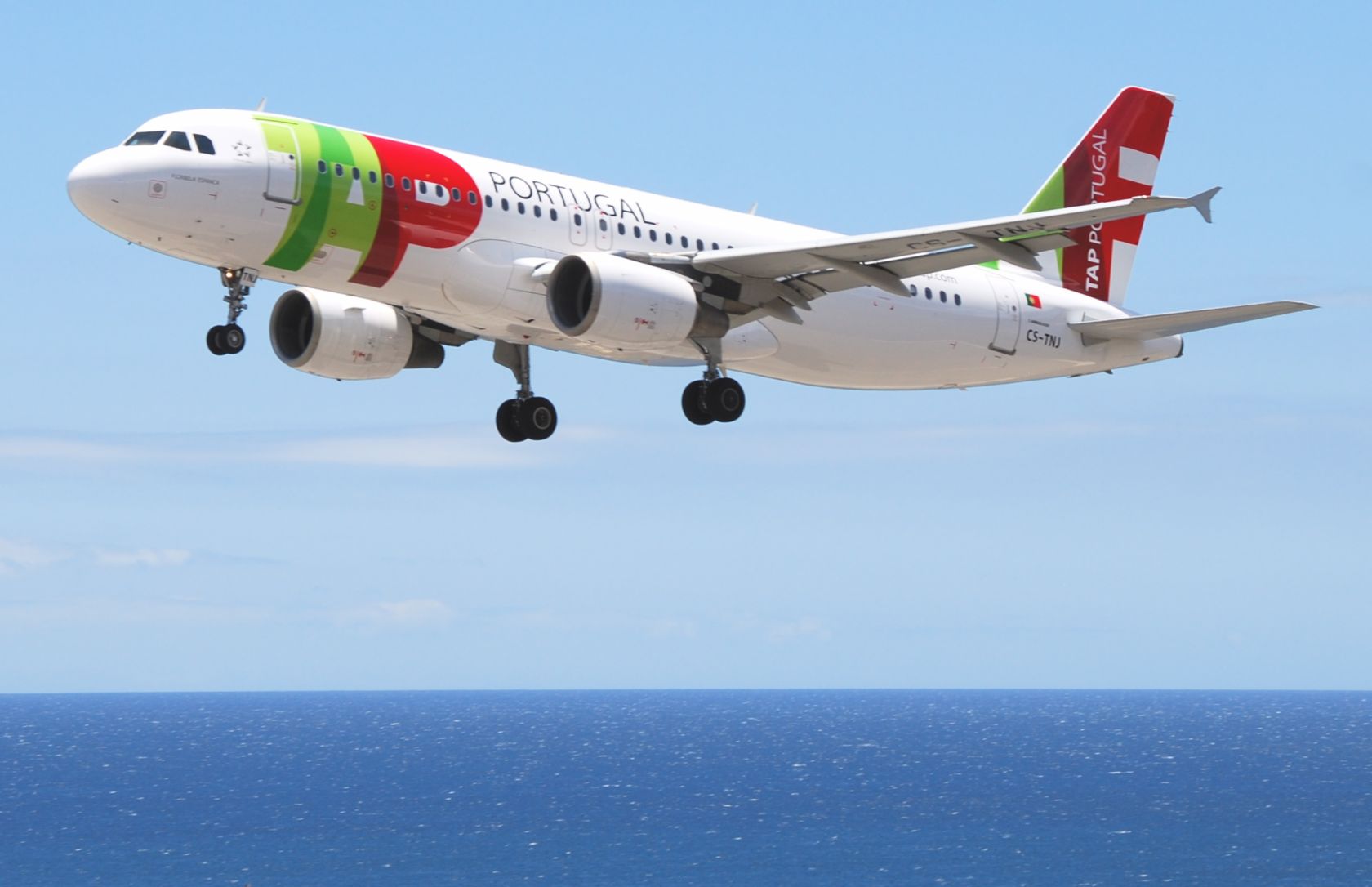
As reported by SIC Notícias, flight TP217, operated by an Airbus A321LR, departed Lisbon at 12.17pm before diverting to Lajes Airport on Terceira Island as a precaution.
According to the airline, the aircraft made the unscheduled stop to allow technicians to assess a technical fault.
TAP stressed that the diversion was carried out purely as a safety measure and that the flight would continue to Boston, United States, as soon as the necessary inspections had been completed.
The carrier has not disclosed the nature of the technical problem or whether passengers were required to disembark while the aircraft underwent checks.
Similar occurrence
The incident follows a similar occurrence on Saturday, 1 August, involving another TAP service.
Flight TP067, which had departed Lisbon for Curitiba, Brazil, returned to Humberto Delgado Airport shortly after take-off after the crew reported a separate technical issue.
At the time, TAP said the aircraft landed safely and without incident, adding that passengers would resume their journey as soon as operational conditions allowed.
Safety systems
While technical diversions are relatively uncommon, aviation experts note that commercial aircraft are designed with multiple safety systems that allow crews to divert or return to an airport whenever a potential mechanical issue is detected. Such precautionary landings form part of standard international aviation safety procedures and do not necessarily indicate a serious fault.
According to information published by ANA – Aeroportos de Portugal and the Portuguese Civil Aviation Authority (ANAC), airlines operating in Portugal are required to comply with stringent European Union aviation safety regulations, with flight crews instructed to prioritise passenger safety whenever technical anomalies arise.
The back-to-back diversions come during one of the busiest periods of the summer travel season, when Portuguese airports experience significantly higher passenger numbers.
Despite the disruptions, TAP has maintained that both aircraft landed safely and that passenger safety remained its highest priority throughout both incidents.
 Add as a preferred source on Google







 Portugal Handbook
 English
 Nederlands
 Deutsch
 Français
 Español
 Italiano
 Svenska
 Pусский
 中文
中文 Türkçe
 Português
 Czech
Czech Hungarian
 Polski
 عربي
عربي Suomi
Suomi עִברִית
 Português (Brasil)
Follow us on social media