


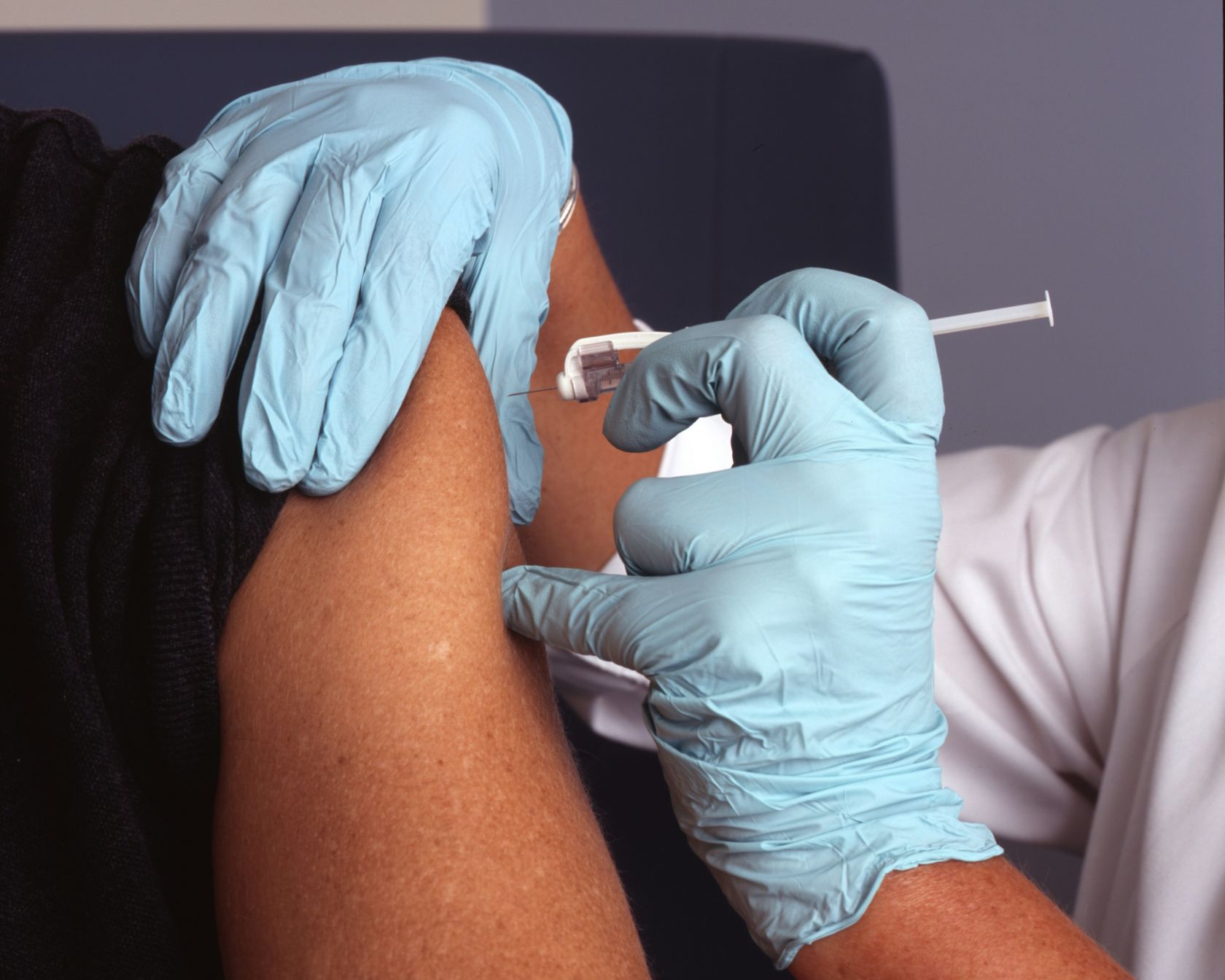
“People need to get vaccinated quickly; the sooner, the better, so that the immune system responds to the vaccine and is ready by the time infection rates peak,” said Helder Mota Filipe, the head of the Order. He added that a campaign is underway to encourage community pharmacists to raise awareness among people over 60 proactively.
This year, the flu vaccination campaign is extending free vaccination to children aged 2 to 4.
According to guidelines from the Directorate-General of Health (DGS), eligible children will receive their shots at National Health Service (SNS) facilities and at authorised vaccination sites in private and social-sector hospitals and clinics.
This year, the SNS purchased approximately 2.3 million standard-dose flu vaccine doses and another 369,000 high-dose doses—an increase of 187,000 standard-dose and 12,000 high-dose doses.
Groups eligible for the flu vaccine include professionals providing direct care in the social and private sectors within inpatient, outpatient surgery, obstetrics, neonatology, and dialysis units, as well as in facilities offering 24-hour care.
The list also includes pregnant women, National Health Service (SNS) professionals, firefighters with direct contact with individuals at high risk of severe illness, prison inmates, and people experiencing homelessness, among others.
High-dose vaccines are planned for people aged 85 and older, as well as residents aged 60 and older in care homes, assisted living facilities, temporary shelters, and those within the integrated continuous care network.
Regarding the option to receive the vaccine for free at pharmacies, the program covers people aged 60 to 84 this year. For those older than that, the SNS continues to provide vaccination.
“This is a point of disagreement we have with the DGS [Directorate-General of Health],” noted Helder Mota Filipe, adding: “A person [over 85] should be able to decide—just as everyone else can—whether they want to be vaccinated at a health centre or a pharmacy, based on their preferences and convenience.”
If the goal is to increase coverage—he argued—“ease of access is a fundamental aspect of achieving higher vaccination rates.”
“If I found it hard to understand last year, I find it even harder this year; if the issues were logistical, we’ve had a whole year to resolve them,” he added.
For the flu vaccine, people aged 18 to 59 with high-risk conditions—such as chronic respiratory, cardiovascular, liver, or metabolic diseases, among others—can also get vaccinated at pharmacies this year.
“This improves access for people under 60 with high-risk conditions. It is a positive step and an act of solidarity,” the head of the professional association acknowledges. As for COVID-19, the age threshold for vaccine recommendations is shifting from 60 to 70 years, while vaccination continues for individuals with conditions or medical issues associated with a higher risk of severe disease, as well as for residents of particularly vulnerable facilities and settings.
The head of the pharmacists’ association said that the slight annual variation in vaccination age ranges “can confuse” the public, and he emphasised the need to communicate information simply to avoid lowering vaccination coverage rates.
Regarding COVID-19 vaccination, pharmacies are also expanding access to individuals aged 18 to 69 with high-risk medical conditions, while vaccination continues for those aged 70 to 84, regardless of whether they have such conditions.
Set The Portugal News as your preferred source for news on Google
 Add as a preferred source on Google






 Portugal Handbook
 English
 Nederlands
 Deutsch
 Français
 Español
 Italiano
 Svenska
 Pусский
 中文
中文 Türkçe
 Português
 Czech
Czech Hungarian
 Polski
 عربي
عربي Suomi
Suomi עִברִית
 Português (Brasil)
Follow us on social media