


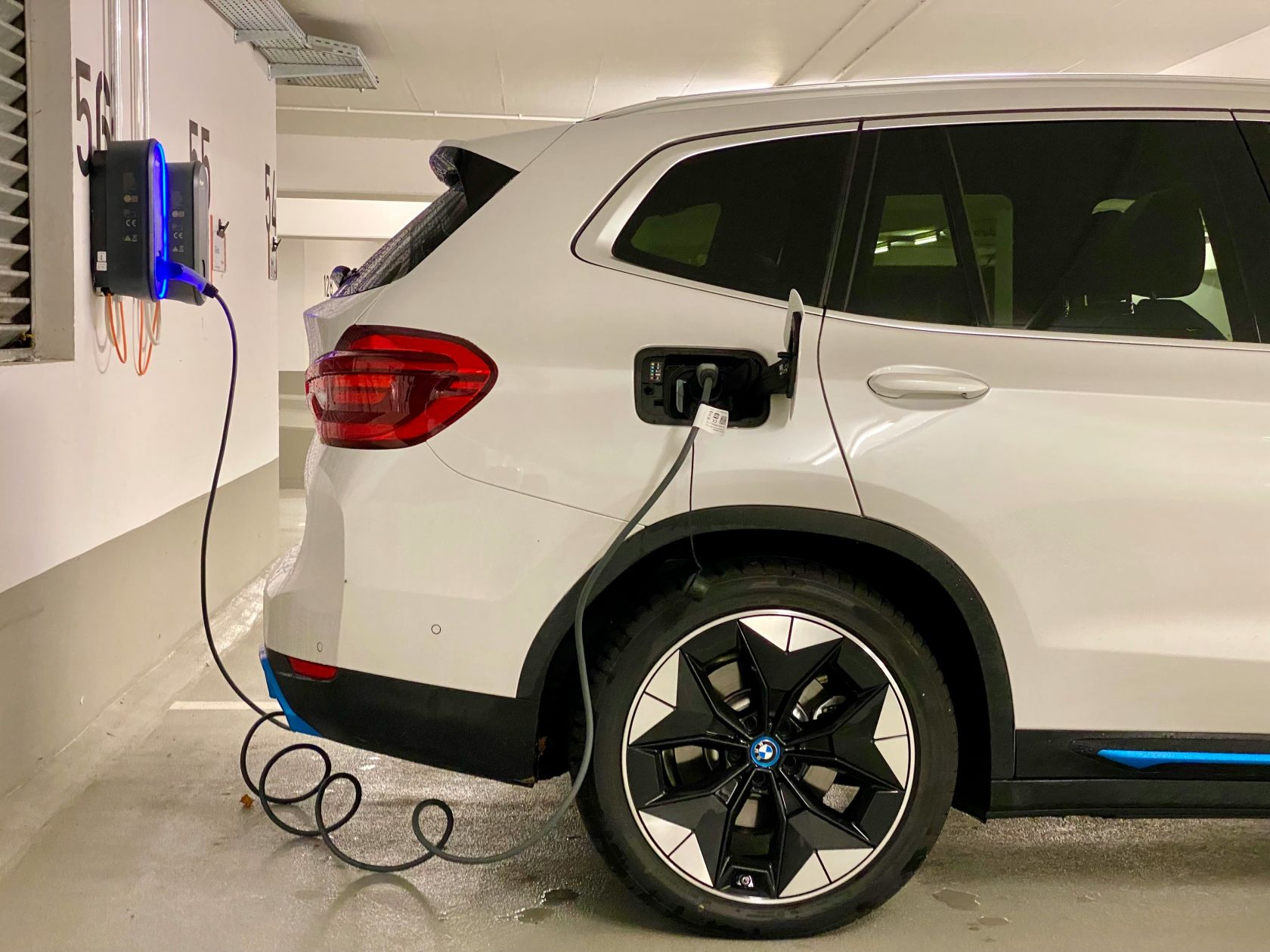
One option being discussed would use mileage recorded during vehicle inspections to calculate payments. The idea remains under discussion, and no new charge has been approved.
Executive Digest reported that IMT president João Jesus Caetano suggested using inspection records to establish how far each vehicle travels. Payments could then reflect road use and environmental impact. Brisa chief executive António Pires de Lima also expressed interest in the idea, while highlighting questions about how it would work.
The discussion comes alongside a study on road funding presented by the Mobility and Transport Authority (AMT) on 29 September in Carnaxide, Oeiras. The study examines how Portugal can finance its roads as technology changes and existing concession contracts approach their end.
Part of the funding allocated to Infraestruturas de Portugal comes from taxes on petrol and diesel. As more motorists switch to electric vehicles, that source of revenue is expected to decline.
Reporting on the study, Pplware said estimates from Infraestruturas de Portugal point to an annual revenue reduction of between €140 million and €200 million if electric mobility reaches a share of 20% to 30% in 2030. The AMT argues that future funding should include contributions from all road users, including those driving electric vehicles.
A system based on inspections would nevertheless require further decisions. New passenger cars do not undergo inspections every year, leaving gaps between mileage readings. Motorcycles would present another difficulty because they are not currently subject to periodic inspections in Portugal.
The wider study proposes combining charges linked to road use with environmental and fiscal measures and public funding. It also stresses that any changes should consider differences between regions and the extent to which residents and businesses depend on road transport.
Set The Portugal News as your preferred source for news on Google
 Add as a preferred source on Google








 Portugal Handbook
 English
 Nederlands
 Deutsch
 Français
 Español
 Italiano
 Svenska
 Pусский
 中文
中文 Türkçe
 Português
 Czech
Czech Hungarian
 Polski
 عربي
عربي Suomi
Suomi עִברִית
 Português (Brasil)
Follow us on social media