


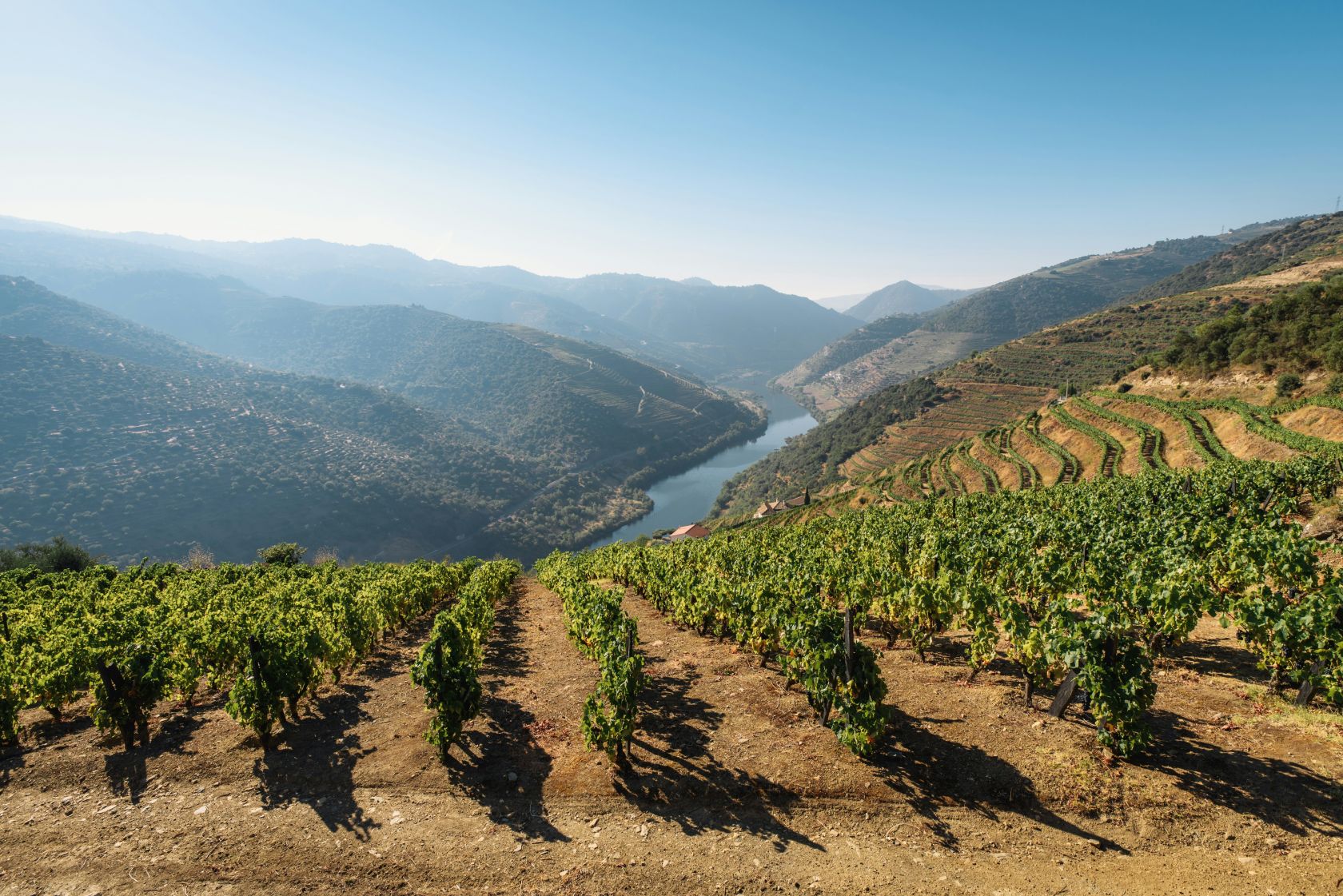
With a budget allocation of €12 million, the support targets vineyard areas that are left wholly or partially unharvested during the 2026/2027 wine year; the aid takes the form of a non-repayable grant.
Beneficiaries must keep the unharvested grapes on the vines in the plots identified in their application until the Douro and Port Wine Institute (IVDP) conducts an on-site inspection.
Eligibility extends to individuals or legal entities that are winegrowers in the RDD, including members of cooperative wineries.
According to the IVDP notice, applications must be submitted exclusively online via the restricted area of the public institute’s website.
The IVDP, headquartered in Peso da Régua (Vila Real district), will decide within eight days of the application deadline.
If the total value of applications exceeds the €12 million budget allocation, the Ministry will apply a pro-rata reduction to individual amounts.
The Ministry of Agriculture and the Sea has stated that this exceptional scheme “is part of a framework of measures to normalise the wine sector, safeguard economic, social, and environmental sustainability, and protect producers as well as the cultural and landscape heritage of the Douro region.”
According to the official order, this measure aims to “ensure a minimum income for these winegrowers, preventing the abandonment of vineyards and the consequent degradation of the wine-growing landscape and the region’s productive potential.”
It constitutes “income support for the winegrower—not a supply management or regulation measure”—and is “granted under the conditions of the agricultural *de minimis* regime, without prejudice to full compliance with the rules applicable to the common organization of the markets in agricultural products.”
At this stage, many producers are already in the final phase of the grape harvest, which began earlier than usual this year in the Douro Demarcated Region (RDD). It has also been a year in which producers’ problems have been exacerbated by difficulties moving the harvest and selling grapes at reduced prices—below production costs.
After Douro production fell to 178,000 pipas (casks of 550 litres each) last year, problems selling grapes have worsened again this year.
Some winegrowers complain of having no buyers, while others report having sales guaranteed only for their “benefit” grapes, that is, the quantity of must each grower is permitted to allocate for Port wine production, and, in general, they also complain about the low prices paid for their grapes.
Set The Portugal News as your preferred source for news on Google
 Add as a preferred source on Google






 Portugal Handbook
 English
 Nederlands
 Deutsch
 Français
 Español
 Italiano
 Svenska
 Pусский
 中文
中文 Türkçe
 Português
 Czech
Czech Hungarian
 Polski
 عربي
عربي Suomi
Suomi עִברִית
 Português (Brasil)
Follow us on social media