


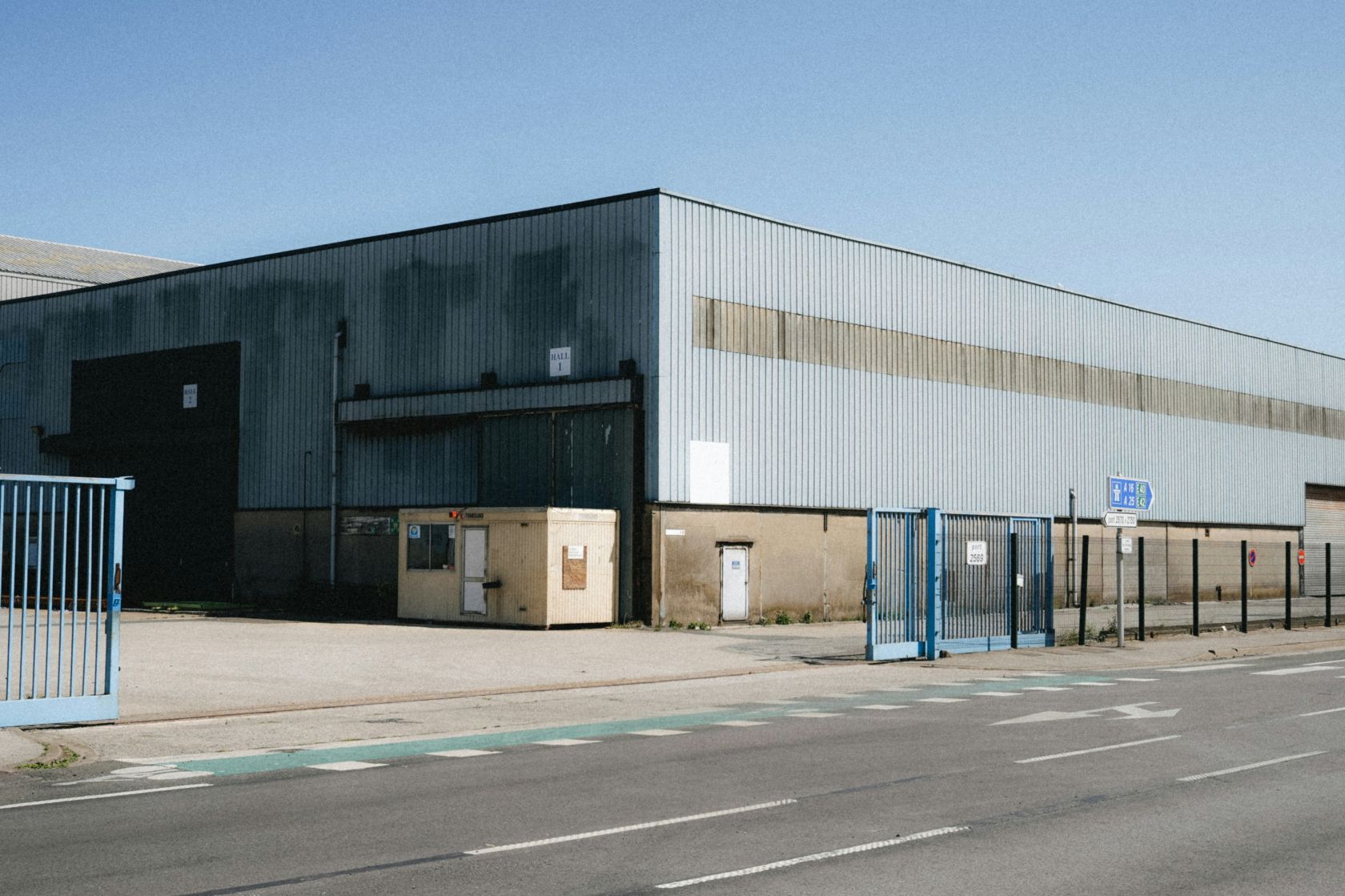
According to the non-technical summary of the environmental impact study reviewed by Lusa, the new industrial zone will be located in the parish of Regadas (in the Braga district). It is intended to supplement existing capacity, as the two current zones—in Arões and Socorro—are already “close to 100% occupancy.”
The new zone will be situated near another industrial area in Cabeça de Porca (in the municipality of Felgueiras) and close to the recent A42 highway interchange—a “decisive factor for the proposed location.”
The project covers 46.94 hectares and plans to create 39 lots. While primarily designated for industry, the site will also accommodate “workshop and storage activities, as well as complementary commercial, service, or logistics operations.”
To minimise visual impact, the municipality plans to “create and enhance green spaces and wooded areas” using native species, establishing various vegetation clusters in the surrounding area alongside dry-land meadows in other sections.
“As measures to promote biodiversity, five insect hotels and 20 nesting boxes will be installed; the planting of cork oaks is also planned to compensate for the felling of trees necessitated by the project,” the document states.
The projected completion time is 510 days, just under a year and a half, in an area that does not overlap with environmentally protected zones.
Furthermore, the Fafe Municipal Master Plan (PDM) already designated this area for economic activities under Planning and Management Operational Unit (UOPG) 28.
According to the non-technical report, some site work—specifically land clearing and grading—has already been carried out. To mitigate impacts from the construction and operation of the new industrial zone, key measures include naturalising new surfaces exposed to erosion (such as embankments) and other steps for sequential landscape integration.
An opinion from Águas do Norte, attached to the environmental impact assessment currently under public consultation, notes that both the Queimadela and Serzedo Water Treatment Plants (ETAs) “have the capacity (...) to handle the flow rates likely to be generated by the new industrial zone under review.”
The report, prepared by Colmus, concludes that no serious negative impacts would render the project unfeasible. In contrast, the positive impacts are primarily linked to “economic development and employment.”
Set The Portugal News as your preferred source for news on Google
 Add as a preferred source on Google






 Portugal Handbook
 English
 Nederlands
 Deutsch
 Français
 Español
 Italiano
 Svenska
 Pусский
 中文
中文 Türkçe
 Português
 Czech
Czech Hungarian
 Polski
 عربي
عربي Suomi
Suomi עִברִית
 Português (Brasil)
Follow us on social media