


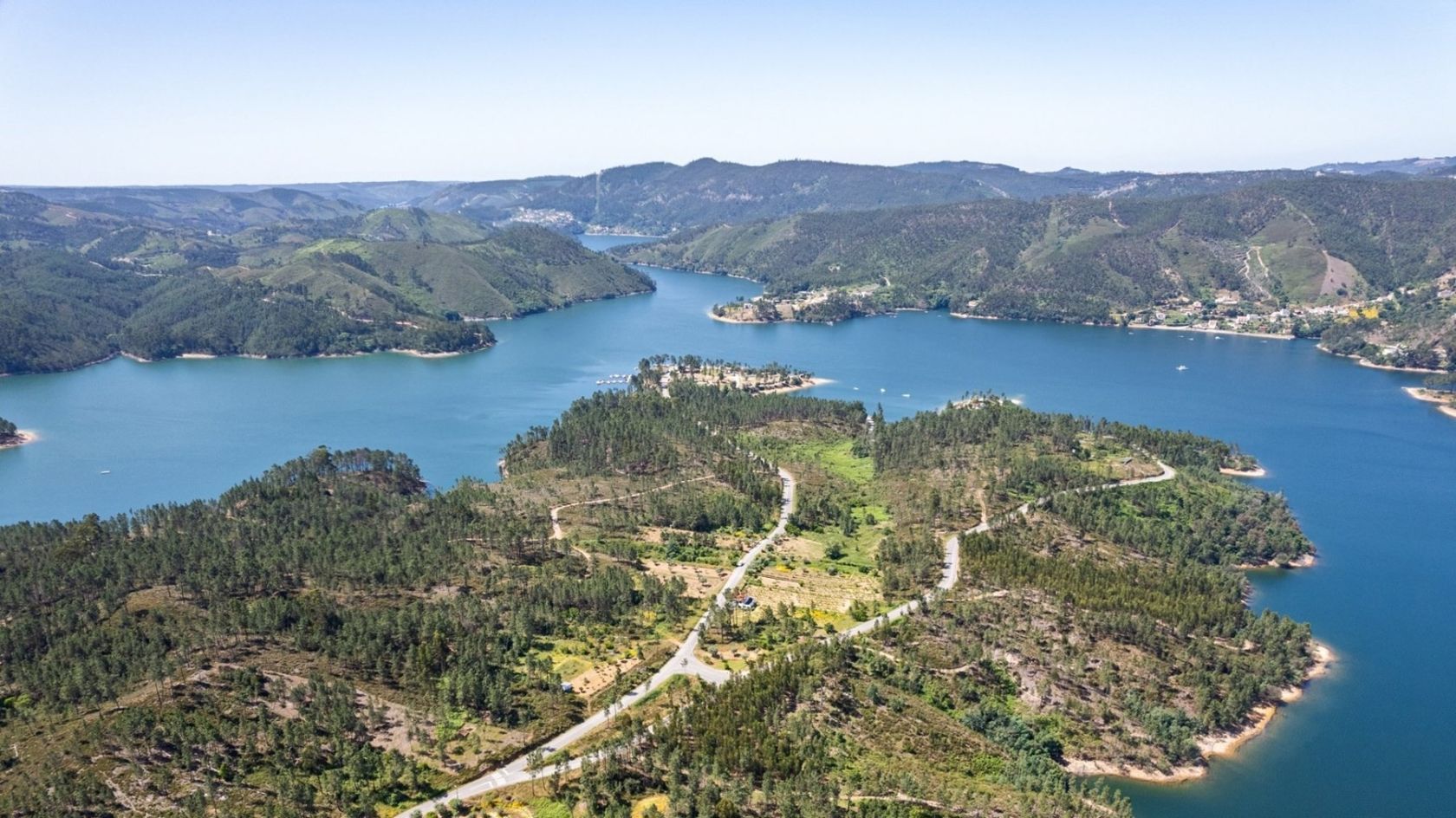
We have become very good at selling places to live. Portugal is the proof. The brochures promise terraces, sea views and three hundred days of sun, and most of it is true. What they rarely mention is who you will talk to on a Tuesday evening in February.
Ask people who have lived here a few years and the same word comes back again and again: loneliness. Not the dramatic kind. The quiet kind. The neighbours you never quite meet, the friends back home who stop calling, the language that never quite clicks. A beautiful house, it turns out, is a lonely place when nobody knocks on the door.
What villages used to do
The irony is that Portugal knows the answer better than most countries. Its interior is full of villages built around a square, a church or a river crossing, where everyone knew everyone, for better and for worse. Many of those villages have been emptying for decades as young people left for the cities or for abroad.
Modern housing has largely forgotten what they did well. We build homes. We rarely build the life around them.
An attempt to start from the other end
This is why Amara Village caught my attention. The project, planned on a large lakeside site near Tomar, starts with the shared life rather than the houses: a school, a vegetable garden, a place to work with other people and a space for gatherings come first in the plans.
The homes follow the land: built from natural materials, solar-ready and set along nature corridors, with cars kept at the edge of the village. Co-founder Gonçalo Magalhães has already put this approach into practice with Charm Nature, the eco boutique hotel he created with his brother in the Sintra-Cascais Natural Park.
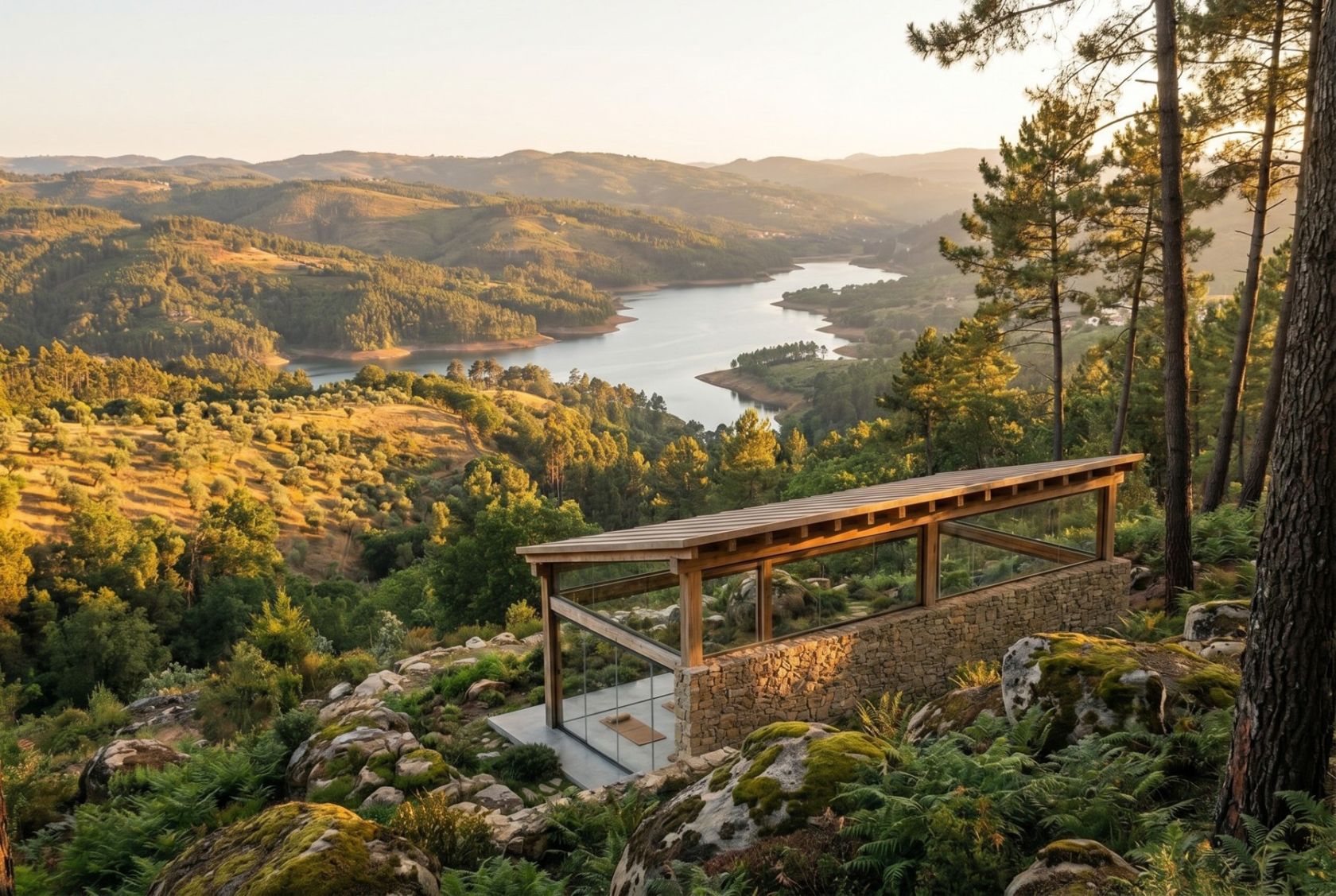
“Most projects start with the houses and hope a community will follow,” says Vivien Ducros, founder of Nexus, the movement of intentional communities behind Amara. “We did it the other way around. We started with the life we wanted to live, the land, the people, what we share, and then we drew the homes around it.”
Designing for belonging
Community is not something you simply add to a masterplan. It grows from shared meals, small favours and the occasional friendly debate over whose turn it is to water the tomatoes. Whether Amara Village manages it will only be clear in a few years. The team is already welcoming its first future residents and asking for their ideas on the shared spaces, the way any good neighbourhood project would. Cohousing in Denmark and the Netherlands has shown for decades that this way of living works when people choose it together.
The question deserves to be asked out loud. If Portugal wants its newcomers to stay, and to be happy when they do, it will need more than sunshine. It will need places designed for people to belong.
More about the project can be found on the Amara Village website.
Main image caption: The Castelo de Bode reservoir near Trízio. Credit: Photo: Vitor Oliveira, CC BY-SA 2.0, via Wikimedia Commons.
Set The Portugal News as your preferred source for news on Google
 Add as a preferred source on Google


 Portugal Handbook
 English
 Nederlands
 Deutsch
 Français
 Español
 Italiano
 Svenska
 Pусский
 中文
 Türkçe
 Português
 Czech
 Hungarian
 Polski
 عربي
 Suomi
 עִברִית
 Português (Brasil)

Follow us on social media