


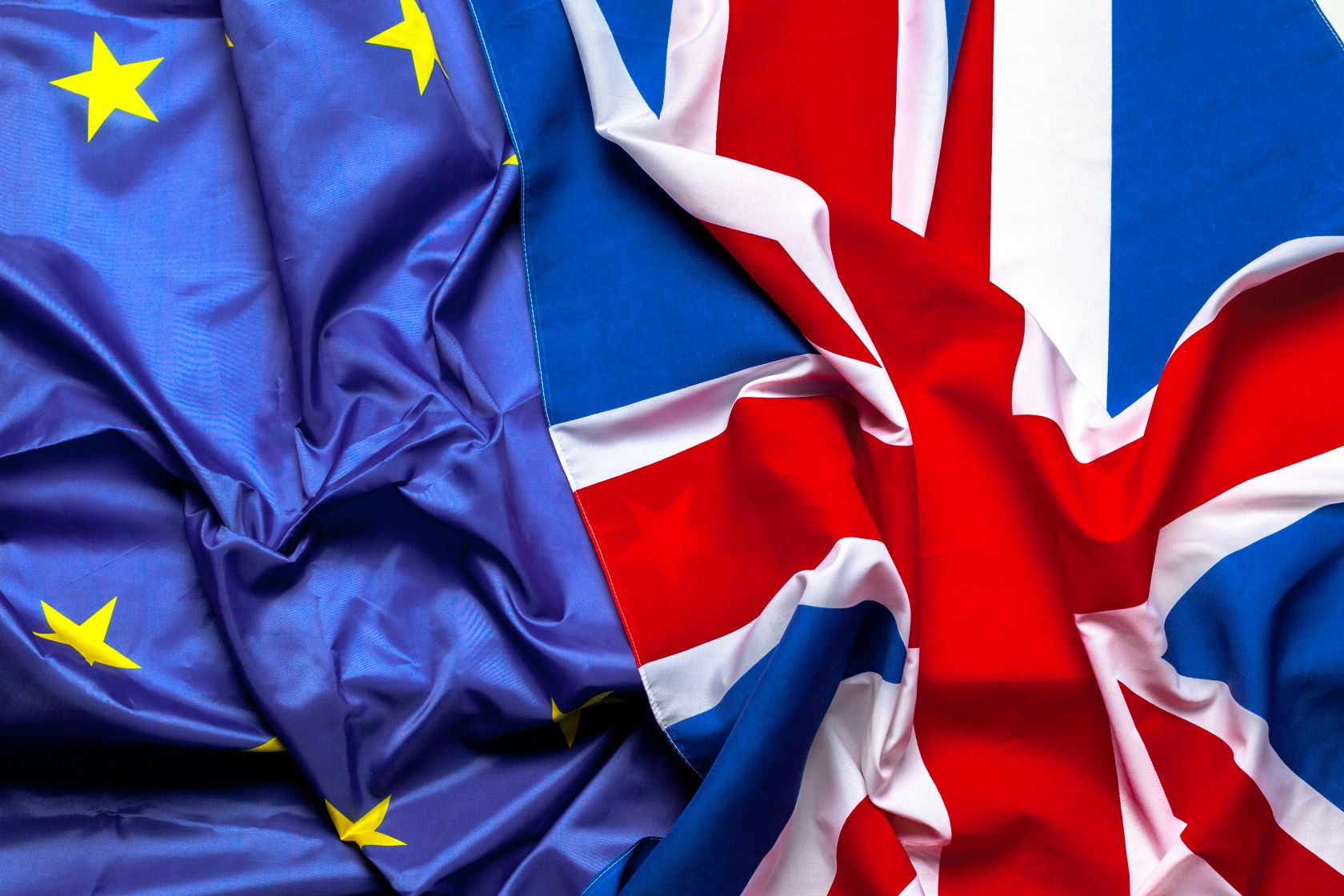
Brussels could allow Britain to remain outside the euro and the Schengen Area should it apply to rejoin the European Union, according to two EU officials who spoke to POLITICO.
British voters have expressed concern that Britain would have to join the single currency and passport-free zone, but this would not necessarily be required, according to the two officials, who were granted anonymity.
Allowing the UK to rejoin the EU under similar conditions would significantly improve its prospects of returning to the bloc, challenging arguments that it should only be readmitted if it adopts the euro and joins the Schengen Area, POLITICO reports.
Britain’s position on EU membership
The Portugal News recently reported that Britain’s Prime Minister Andy Burnham has said that Brexit isn’t working and even suggested that rejoining the EU could feature in Labour’s next election manifesto.
Burnham told The Times: “I can’t see myself ever recommending anything that would involve joining the euro or Schengen [area]. No, I just don’t think they would ever be things that I would recommend.”
Burnham also said that a new referendum would be needed to rejoin the EU, but not necessarily for joining the single market or the customs union.
However, some Eurosceptics argue that if Britain were to rejoin, it would likely face membership commitments that go beyond the terms of its membership before Brexit.
Polling conducted by YouGov earlier this month found that 55% of British respondents want to reverse Brexit, with just 34% wanting to remain outside the EU. However, support falls significantly if adopting the euro and joining the Schengen Area become requirements, with 35% in favour and 43% opposed.
EU membership requirements
EU officials say that Brussels currently has no formal stance on Britain rejoining, as no formal application has been submitted.
The EU officials also said that the bloc considers each country’s specific circumstances during negotiations. “In theory there is a standard approach, but in practice you see that it is more flexible,” one of the officials told POLITICO. “There are different models.”
When Britain was an EU member, it already had exemptions from Schengen and the euro, which were built on a series of opt-outs and agreements negotiated over decades of membership.
However, countries that have joined the EU more recently have made commitments to move towards both goals.
Closer ties with Europe
As recently reported by The Portugal News, the prime minister said he wanted to be “honest” with the British public as he considers different EU options: “I am positive about closer ties with Europe, and I’m not hiding that. I think it will add to British GDP. I think it will give us stronger control of migration. I want to make those arguments.”
Burnham has promised to stick to Sir Keir Starmer’s policies for the duration of this parliament, which include no return to freedom of movement and no return to the single market or customs union. However, he signalled this weekend that a return to freedom of movement could feature in Labour’s manifesto for the next general election, due by 2029, The Guardian reports.
Britain’s Prime Minister will meet with European Commission President Ursula von der Leyen in Brussels on 20 November to approve a package of measures aimed at improving the post-Brexit relationship.
Set The Portugal News as your preferred source for news on Google
 Add as a preferred source on Google


 Portugal Handbook
 English
 Nederlands
 Deutsch
 Français
 Español
 Italiano
 Svenska
 Pусский
 中文
 Türkçe
 Português
 Czech
 Hungarian
 Polski
 عربي
 Suomi
 עִברִית
 Português (Brasil)

Ridiculous.
If they want in, they live with the rules everyone else lives with.
By Shawn from Lisbon on 03 Nov 2026, 14:37
Nobody voted for him. Wait, a town of 25k troglodytes voted for him, suddenly he was crowned the leader of 70 million! What happened to the 'No Kings' marches?
Nobody actually voted for Van Der Leyen. The EU is just one big mafia club. As for the left.....they see fascists everywhere, except where they are: in the mirror!
By Hart from Lisbon on 03 Nov 2026, 17:10
They can't help it, it is stronger than them. If the EU opens its doors to the UK, the humiliation of Europe will start again.
By Diogo F. from Lisbon on 04 Nov 2026, 09:36