


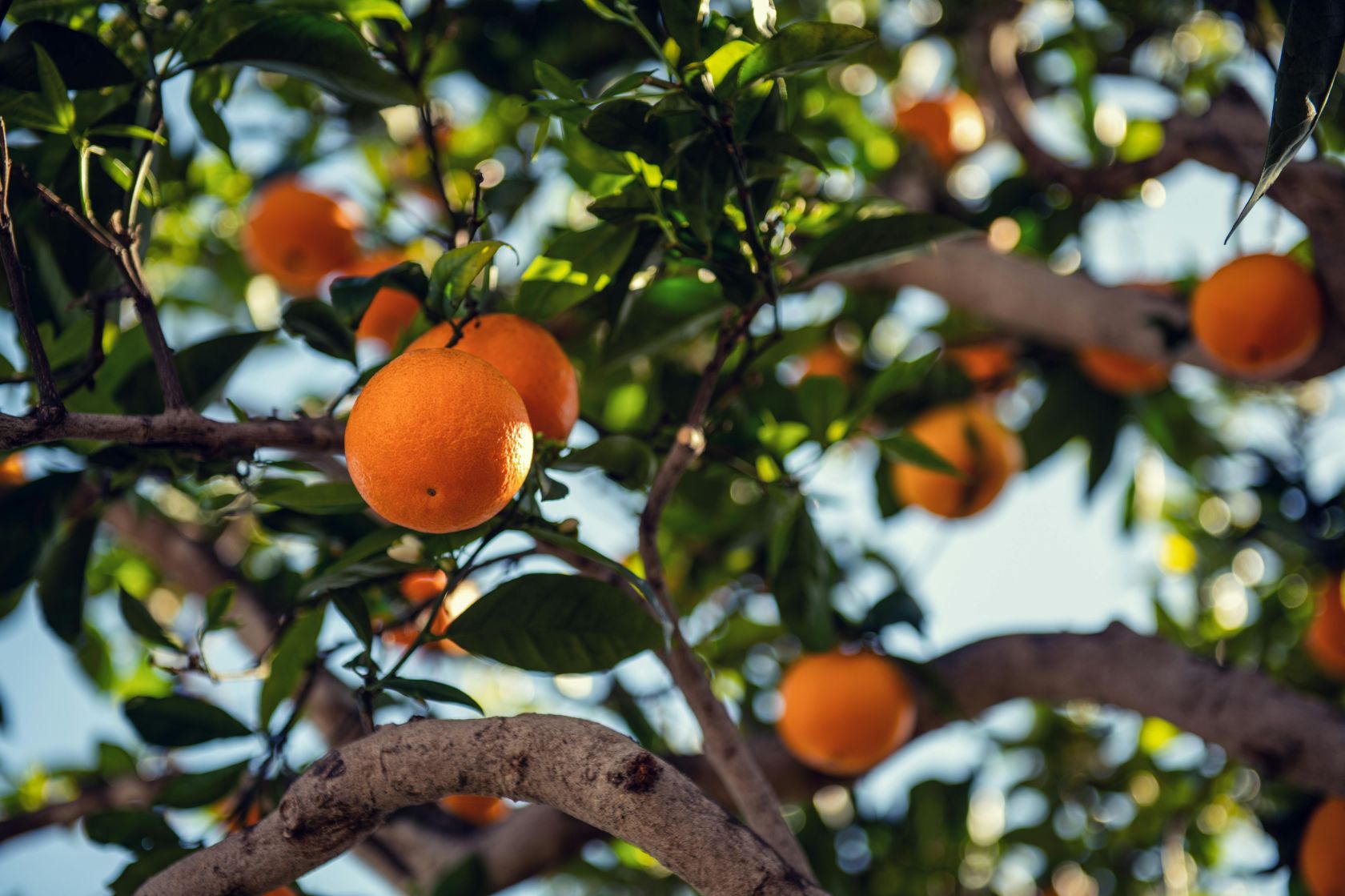
In the annual season that ended in September, Algarve citrus production recorded “14% less than the 320,000 tonnes estimated at the start and around 5% below the previous season”, AlgarOrange – Association of Algarve Citrus Operators said in a statement, forecasting 4% growth for 2026/27.
The decline in Algarve citrus production resulted from adverse weather conditions in November 2025 and February this year, as well as “thermal shock during flowering, irregular fruit setting and irrigation restrictions, compounded by premature greening in common oranges, which diverted fruit from the fresh market to juice”, the statement reads.
Nationally, production reached around 334,000 tonnes in 2025/26, according to figures released during the seventh Citrus Season Review, held in Faro on 5 November.
The domestic market, “dominated by large retailers”, continues to absorb “most national production”, with 65% remaining in Portugal and only 35% being exported, “mainly to France, Spain and Germany”, AlgarOrange explained.
Orange production recorded “the largest decline among the country's main crops” in 2025, falling 26% to 261,000 tonnes, the association recalled, citing figures from the National Statistics Institute (INE).
During the last season, the 12 operators certified under the Algarve Citrus Protected Geographical Indication (PGI) produced 123,900 tonnes of citrus, of which 84% were oranges, it said.
The average price of oranges on the domestic market stood at €0.76 per kilo, a figure which, according to AlgarOrange, did not reflect the shortage of citrus recorded in Europe during the season.
The gap created by production declines in the Northern Hemisphere and Spain was filled by imports from Egypt and South Africa, the same source specified.
This average price corresponds to “around €0.65/kg for the operator, after deducting wholesalers' margins”, the association noted, representing around 40% of citrus production in Algarve and 30% of national production.
Inflation in production costs, regional production losses, more fruit diverted to juice, lower external quality, aggressive foreign competition, structural costs and labour shortages are the main factors contributing to the squeeze on profit margins, the association argued.
“This season has shown that producing less does not mean selling better. The shortage in Europe was filled by citrus from third countries that do not comply with the rules imposed on our producers, while our costs for water, labour and energy continue to rise,” AlgarOrange president José Oliveira said, quoted in a statement.
To keep the sector competitive, the association's president said it was necessary to “ensure water availability, demand mirror clauses for imports and focus on higher-value markets”, where the quality of Algarve citrus “is recognised”.
For the 2026/27 citrus season, the association forecast production of 287,500 tonnes in Algarve, representing 4% growth compared with 2025/26, and 346,386 tonnes in Portugal.
According to AlgarOrange, Algarve accounts for 83% of national citrus production and 78% of the cultivated area.
Set The Portugal News as your preferred source for news on Google
 Add as a preferred source on Google






 Portugal Handbook
 English
 Nederlands
 Deutsch
 Français
 Español
 Italiano
 Svenska
 Pусский
 中文
 Türkçe
 Português
 Czech
 Hungarian
 Polski
 عربي
 Suomi
 עִברִית
 Português (Brasil)

Follow us on social media