


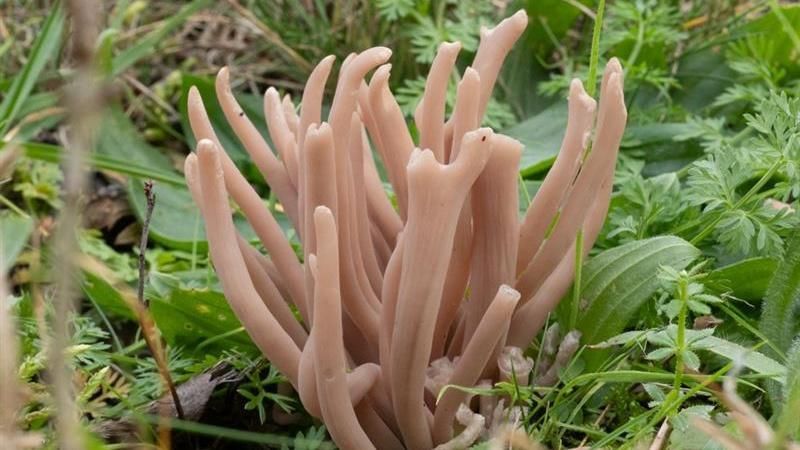
DNA testing confirmed the species, which was previously identified in Italy. The find highlights the ecological value of carefully managed grasslands and reinforces the role of citizen science in uncovering and protecting biodiversity.
The discovery, made by local volunteers, forms part of a wider regional project promoting biodiversity and public engagement with nature. Experts note such fungi signal species-rich habitats, supporting pollinators, soil health and carbon storage, while encouraging broader participation in wildlife monitoring initiatives across the region.
Set The Portugal News as your preferred source for news on Google
 Add as a preferred source on Google






 Portugal Handbook
 English
 Nederlands
 Deutsch
 Français
 Español
 Italiano
 Svenska
 Pусский
 中文
 Türkçe
 Português
 Czech
 Hungarian
 Polski
 عربي
 Suomi
 עִברִית
 Português (Brasil)

Follow us on social media