



Life brings many changes, and our personal relationships are never immune to them. Most of us have experienced this at some point. Someone who once felt like our safe place, our confidante, our partner in all the adventures of life, is suddenly no longer by our side. Breaking up with a partner hurts, yes, but breaking up with your best friend, someone you gave your trust, your time, and a piece of your soul, can leave a hollow space that feels impossible to fill.
Friends are some of the most important people in our lives. Some stay with us for decades, growing alongside us through different phases of life. But not all friendships are meant to last forever. And when they end, the loss can feel just as significant, even if it’s less openly acknowledged.
When a romantic relationship ends, the pain is often more visible. You grieve the future you imagined with that person, and you turn to your friends for comfort. But what happens when the person you would normally turn to is the one who is no longer there? When you are the one ending a friendship or being left behind, the experience can feel confusing, lonely, and deeply personal.
Like any relationship, ending a friendship raises two fundamental questions: when is it time to let go, and how do you actually do it? Losing friends is, in many ways, a natural part of life. A recent study suggests that people, on average, lose about half of their friends every seven years. Sometimes it happens quietly and unintentionally. Life gets busy, priorities shift, and without even realising it, the connection slowly fades.
The Unique Pain of a Female Friendship Breakup
Friendship breakups between women can carry emotional weight. Often, these relationships are built on deep emotional closeness, shared vulnerability, and a sense of safety. When that bond breaks, we might feel sadness, disappointment, and even a sense of betrayal. It can feel harder to process because it comes from someone who once felt like “your person” in a completely different way than a romantic partner.
There are often more questions than answers. What changed? Was it something I said or didn’t say? Could I have handled things differently? In the middle of all this, what most people want is to handle the situation with grace, to learn from it, and to move forward without carrying unnecessary bitterness.
How Women Heal After a Breakup
After a breakup, many women turn to small, almost instinctive rituals. A new haircut, a spontaneous trip, buying something just for themselves, or simply carving out time to do what feels good again. It’s not really about the change itself; it’s about finding a bit of control, a sense of starting over, even in small ways.
And almost always, there’s a friend there through it all. The one who listens without judging, who reassures, who sits with you in the mess of it and somehow helps you put the pieces back together, little by little.
But when a friendship itself ends, especially one that held that kind of emotional support, the healing process can feel very different. The usual source of comfort is no longer there. That absence can make everything feel heavier and more isolating, at least at the beginning.
The Difference Between Him and Her
Close female friendships often offer a kind of emotional closeness that feels steady and uncomplicated. There is usually no romantic pressure, no expectations tied to the future, and often a sense of being fully seen and understood. That’s what makes these friendships so valuable, and also what makes their loss so painful.
Why Society Overlooks Friendship Breakups
Despite how important friendships are to our overall happiness and well-being, society often treats them as secondary to romantic or family relationships. There are clear milestones for romantic love, such as engagements, weddings, and anniversaries, but friendships don’t come with the same kind of recognition. There is no official moment that marks their importance, and there is no clear ritual for when they end.
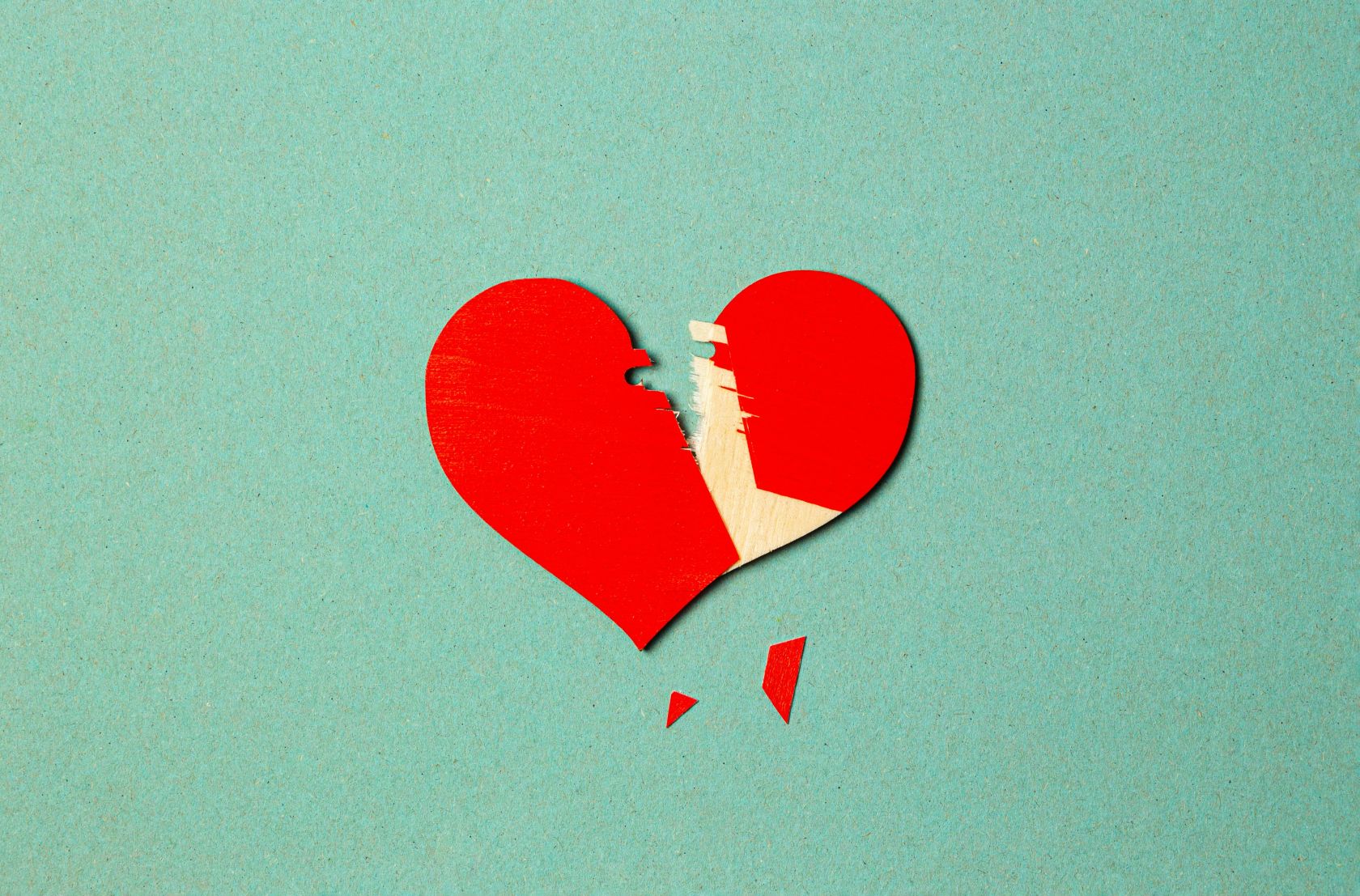
Because of this, when a friendship breaks down, the grief can feel confusing and even invalidated. People may not fully understand why it hurts so much, and that can make it harder to process.
Healing from the End of a Friendship
Ending a friendship is a big deal, and recovering from it takes time. As many psychologists suggest, it is possible to come out of this experience stronger and more self-aware, but only if you allow yourself to actually feel what comes with it.
Letting yourself feel what you feel is a quiet but important first step. Sadness, anger, confusion, even a sense of relief — none of it is wrong. It’s just part of what comes with caring about someone. Being gentle with yourself during this time matters far more than trying to figure out who’s at fault.
It can also help to create a bit of distance. Not as a punishment, but as a way to breathe. Space can feel uncomfortable at first, but it often prevents more hurt and gives both people room to process things in their own time, without added pressure.
If there are things you feel responsible for, apologising can be meaningful, but it’s important not to over-apologise or try to force reconciliation. Not every friendship can or should be repaired, and that doesn’t make you a bad friend or someone undeserving of connection.
It’s also worth remembering that you don’t have to carry it all on your own. Healing often happens in small, shared moments. Reaching out to friends and being around people who make you feel safe.
And sometimes it’s quieter than that. It’s in going back to the things that feel familiar, the routines that ground you, the little habits that make you feel like yourself again. Bit by bit, you find your way back. Not by forcing it, but by allowing those small moments to remind you that you’re still whole, even as you heal.
Closing Thought
Friendship breakups can hurt just as deeply as romantic ones. Every meaningful relationship involves trust, vulnerability, and emotional investment. When it ends, it leaves a mark.
You may not have control over how others behave or how things unfold, but you do have control over how you respond, how you grow, and how you choose to honour the relationships you build in the future.
 Add as a preferred source on Google







 Portugal Handbook
 English
 Nederlands
 Deutsch
 Français
 Español
 Italiano
 Svenska
 Pусский
 中文
中文 Türkçe
 Português
 Czech
Czech Hungarian
 Polski
 عربي
عربي Suomi
Suomi עִברִית
 Português (Brasil)
Follow us on social media