


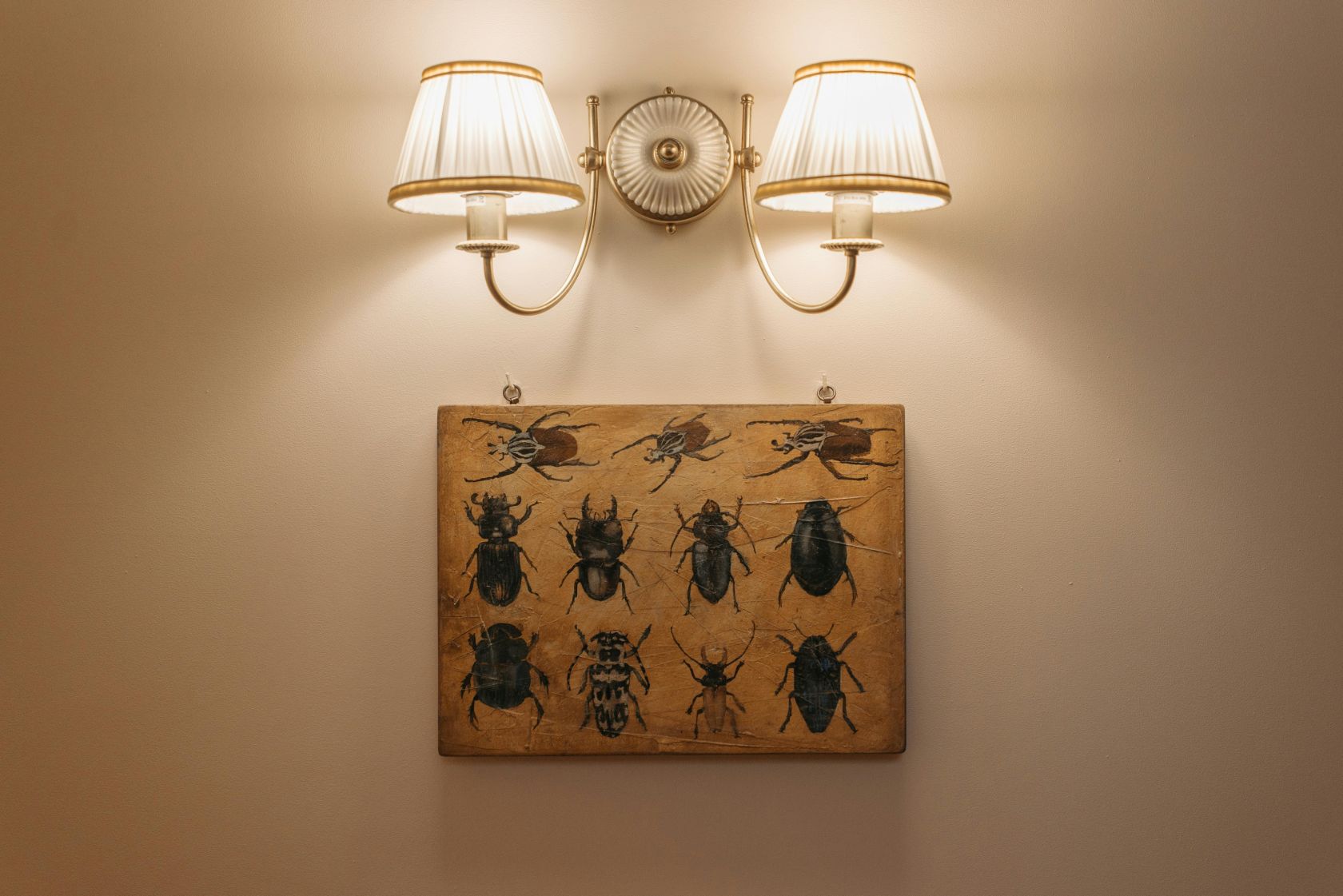
The sight of a cockroach triggers the ‘gross’ factor, because you know if you see just one, there are doubtless hundreds more hiding somewhere. I used to live in another hot country, and you only had to enter the kitchen at night and snap on the lights, and there would be these revolting creatures roaming over the cooker and floor - I hated them, and there was always somewhere they would get in, and they were nearly impossible to exterminate.
Cockroaches can be a problem anywhere. Not only do they multiply in dirty places, but they also revel in dark, damp places where any sort of food or mould is fair game for a meal, so under the sink or around pipes of dishwashers or washing machines are a positive haven for them. They are attracted to the dirty dishes in the sink, crumbs on the floors or countertops, any discarded food rubbish, your pets’ food left on the floor, and excess moisture (heed that leaky pipe!). They will live inside walls, old electrical conduits, backs of cookers, cracks and sewers – you name it, they will find a way in, especially in an old house. A clean home reduces the likelihood of a massive, established infestation, but it doesn’t guarantee a roach-free home. Cockroaches are incredibly resilient, adaptable creatures that can enter even the most spotless of households.
There are three types living here: the smallest is the German (Blatta Germanica) at 10-15mm long, next is the Oriental (Blatta Orientalis) at 30mm, and lastly - and the biggest - is the American (Periplaneta Americana) at 35-40mm long.
Almost impossible to kill
These tough little critters have been around since the time of dinosaurs and are almost impossible to kill. There are approximately 4,000 species of cockroaches worldwide, and they are said to be able to survive a nuclear war. Although it is unlikely they would survive a nuclear apocalypse, they can survive moderate amounts of radiation, and 20% of cockroaches can survive high atomic-bomb-level radiation. Apparently, cockroaches were found perfectly fine and healthy just 1000 feet away from where the Hiroshima atom bomb was dropped.
Consider these facts
A cockroach can live almost a month without food, can live around two weeks without water, can hold their breath for up to 40 minutes, and can run at up to 3 miles an hour, and remarkably, can live for up to a week without its head! This is possible as they don’t breathe through their nose or mouth, but through tiny tubes called spiracles on each body segment. Unfortunately, they can cause allergies and trigger asthma attacks, especially in children, and can spread over 30 different kinds of bacteria. They have wings, and some can fly, most often on hot, humid summer nights when temperatures exceed 29 °C, to escape threats, find mates, or locate food/water, flying short flights or gliding from high places rather than sustained flight.
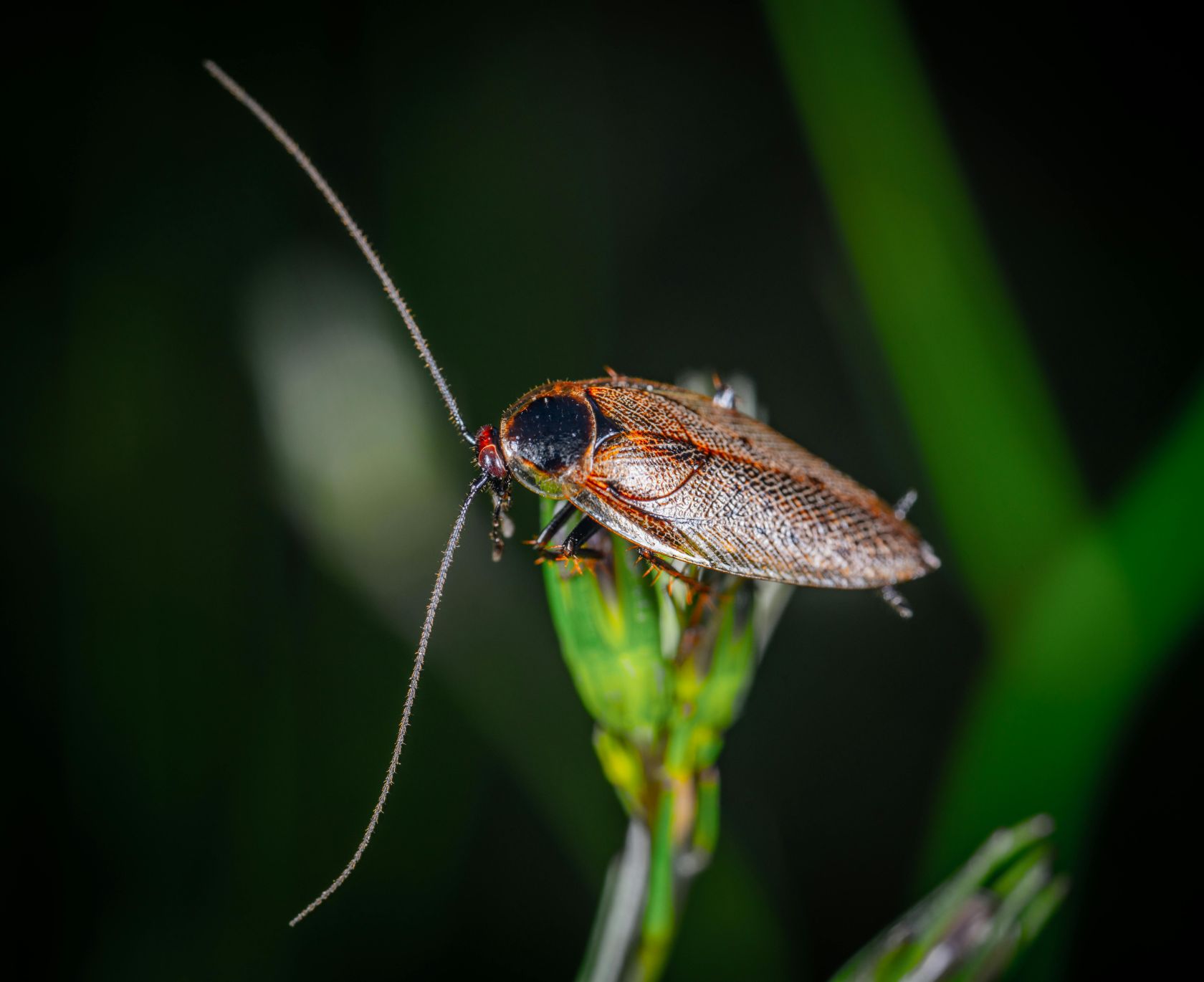
They may not be considered pack animals as such, but they are highly gregarious and social, often amassing in large groups, sharing shelters, and, strange as it may seem, engaging in collective decision-making – when enough individuals decide on a spot, others will follow.
Getting shot of these nasties
They lay their offspring in egg packets, known as oothecae, which contain up to 50 eggs depending on the species. Known for their rapid reproduction rates, a single female can produce hundreds of offspring in her lifetime. If you find an infestation of live ones, you can have a go with boric acid to try to get rid of them yourself. Used correctly, it’s one of the most effective roach killers. It’s odourless, has low toxicity to pets, and, since it isn’t repellent to roaches, they won’t avoid it, crawling through it repeatedly until it kills them. You can set glue traps in places where you know they are lurking and caulk up any gaps you know of.
But the best advice is to keep everything clean so there is no attraction in the first place! And if all else fails, contact your local pest control service.
 Add as a preferred source on Google







 Portugal Handbook
 English
 Nederlands
 Deutsch
 Français
 Español
 Italiano
 Svenska
 Pусский
 中文
中文 Türkçe
 Português
 Czech
Czech Hungarian
 Polski
 عربي
عربي Suomi
Suomi עִברִית
 Português (Brasil)
Follow us on social media