


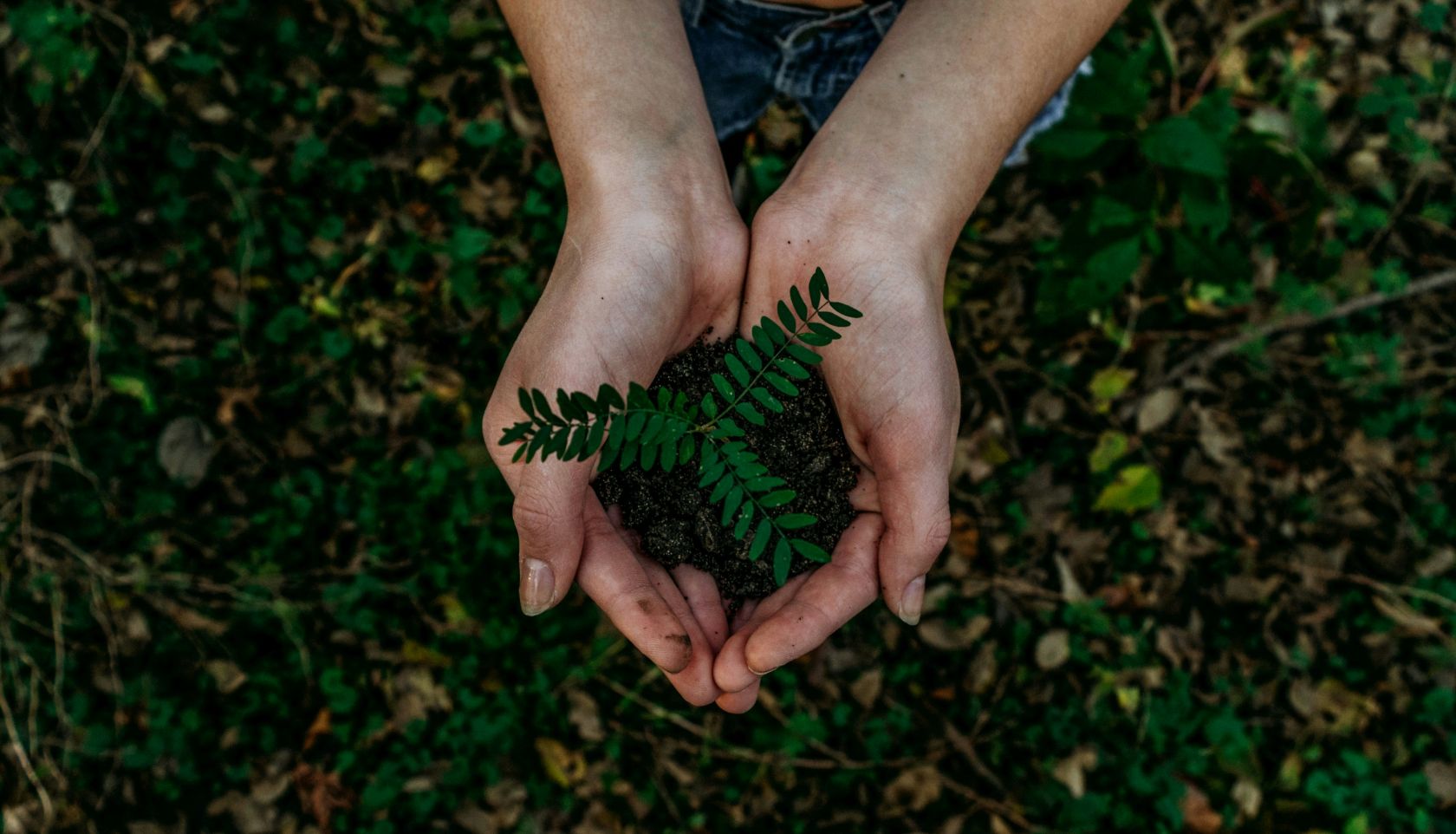
The study was developed by a team of researchers from the Faculty of Sciences of the University of Porto (FCUP) and the Faculty of Humanities and Arts of the University of Coimbra (FLUC) and warns of the need to reduce soil impermeability and select more effective species in the face of climate change.
Worrying situations
“We identified very worrying situations, such as on the city's main avenue, where a BRT (Bus Rapid Transit) was built. When we measured temperatures in September 2025, we found around 25°C [degrees Celsius] in the garden and values above 50°C in the paved area of the bus stop,” highlighted FCUP professor and one of the study's authors, José Miguel Lameiras.
In a statement sent to the Lusa news agency, FCUP explained that the researchers compared more permeable, wooded areas with denser, impermeable zones, using temperature and humidity measurements from mobile and fixed sensors and from drones equipped with thermal cameras.
The researchers, they added, also discovered that, in some school playgrounds, despite the presence of trees, "the cooling effect was almost non-existent, because the species were not suitable and the groundwater levels (amount of water in the soil) were very low."
"We have quite clear results. Species associated with riparian environments, such as poplars, willows and ash trees, demonstrate a very high cooling potential," said José Miguel Lameiras.
Combining planting and water management
According to the study's authors, it is necessary to combine planting with water management strategies and soil permeability.
"If we continue to waterproof the city, groundwater levels will fall, and trees will no longer have enough water to function as urban cooling elements," they warned.
The published results stem from a series of investigations conducted over the past seven years, and the choice of the city of Coimbra was not random.
Climate records
“Coimbra has decades of climate records, which gives us a very rich database. In addition, it presents a great diversity of urban situations: dense historical areas, riverside areas, extensive green spaces, and more recent neighbourhoods. This heterogeneity allows us to study different urban climatology phenomena,” explained the professor of Geography at FLUC and mentor of the study, António Rochette Cordeiro.
The researchers are preparing a publication that brings together several decades of data on the relationship among urban morphology, green structure, and the thermal behaviour of the city of Coimbra.
The goal is to publish these conclusions in a book by the end of the year and present the results in Coimbra, including concrete proposals to improve urban thermal comfort.
According to António Rochette Cordeiro, the methods developed “are currently being adapted and applied to the Portuguese urban context.”
The researchers intend to apply this methodology to other cities in Portugal, such as Porto and Matosinhos, arguing that it is essential to act in response to increasingly frequent climate change and heat waves.
"Cities with greater tree cover are less vulnerable. Therefore, investing in green infrastructure and reducing heat islands is an important measure for climate adaptation and public health," they concluded.
 Add as a preferred source on Google





 Portugal Handbook
 English
 Nederlands
 Deutsch
 Français
 Español
 Italiano
 Svenska
 Pусский
 中文
中文 Türkçe
 Português
 Czech
Czech Hungarian
 Polski
 عربي
عربي Suomi
Suomi עִברִית
 Português (Brasil)
Follow us on social media