


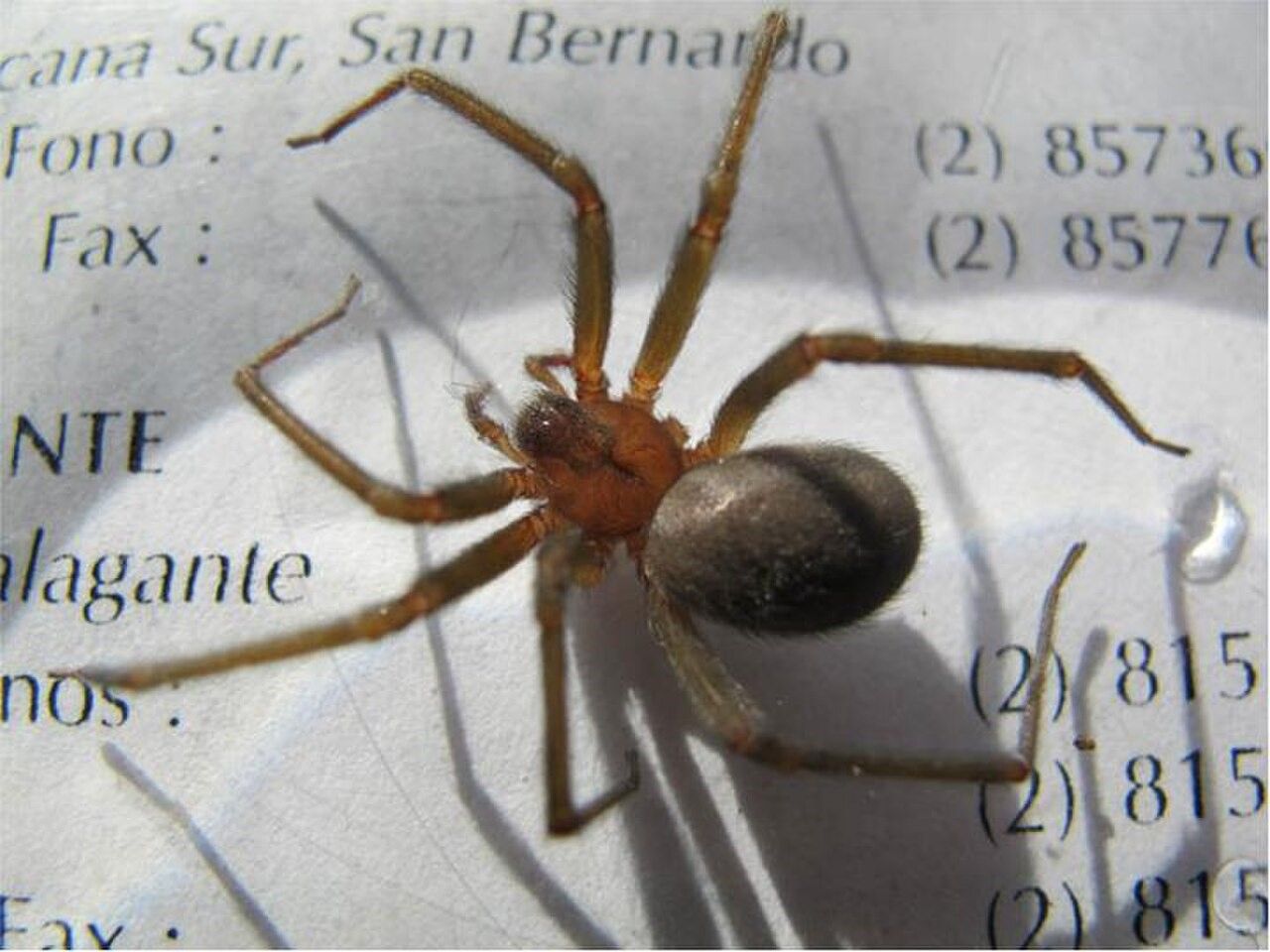
Scientists say the finding is significant but stress there is no reason for public alarm.
The species, native to parts of South America including Chile, Argentina and Brazil, is regarded as one of the world’s medically significant spiders because its venom can, in rare cases, cause serious skin damage. Despite this, experts emphasise that the spider is naturally shy and avoids contact with people whenever possible.
The first specimen was discovered by chance in September 2025 on a wall in Porto’s Campo dos Mártires da Pátria. A second specimen was later recovered from a sticky trap in January 2026, confirming the species’ presence in the city. The discovery was documented by researchers from the Natural History and Science Museum of the University of Porto.
Entomologist José Manuel Grosso-Silva said the likelihood of encountering or being bitten by the spider remains low because of its secretive behaviour. While bites are uncommon, they can lead to painful skin lesions and, in exceptional cases, more serious medical complications.
Researchers believe the spider most likely arrived in Portugal through international trade, as the species has previously spread beyond its native range by travelling unnoticed in transported goods. It is not yet known whether the population is confined to Porto or has established itself elsewhere in the country.
Scientists also note that Portugal is already home to another recluse spider, the Mediterranean recluse (Loxosceles rufescens), which has been present in Europe for centuries. Because the two species share similar characteristics, it is possible that the Chilean recluse has previously been mistaken for its Mediterranean relative.
The researchers say further monitoring will be needed to determine the true distribution of the species. For now, they advise the public not to panic, explaining that the spider is not aggressive and typically bites only when trapped or threatened.
 Add as a preferred source on Google







 Portugal Handbook
 English
 Nederlands
 Deutsch
 Français
 Español
 Italiano
 Svenska
 Pусский
 中文
中文 Türkçe
 Português
 Czech
Czech Hungarian
 Polski
 عربي
عربي Suomi
Suomi עִברִית
 Português (Brasil)
Follow us on social media