


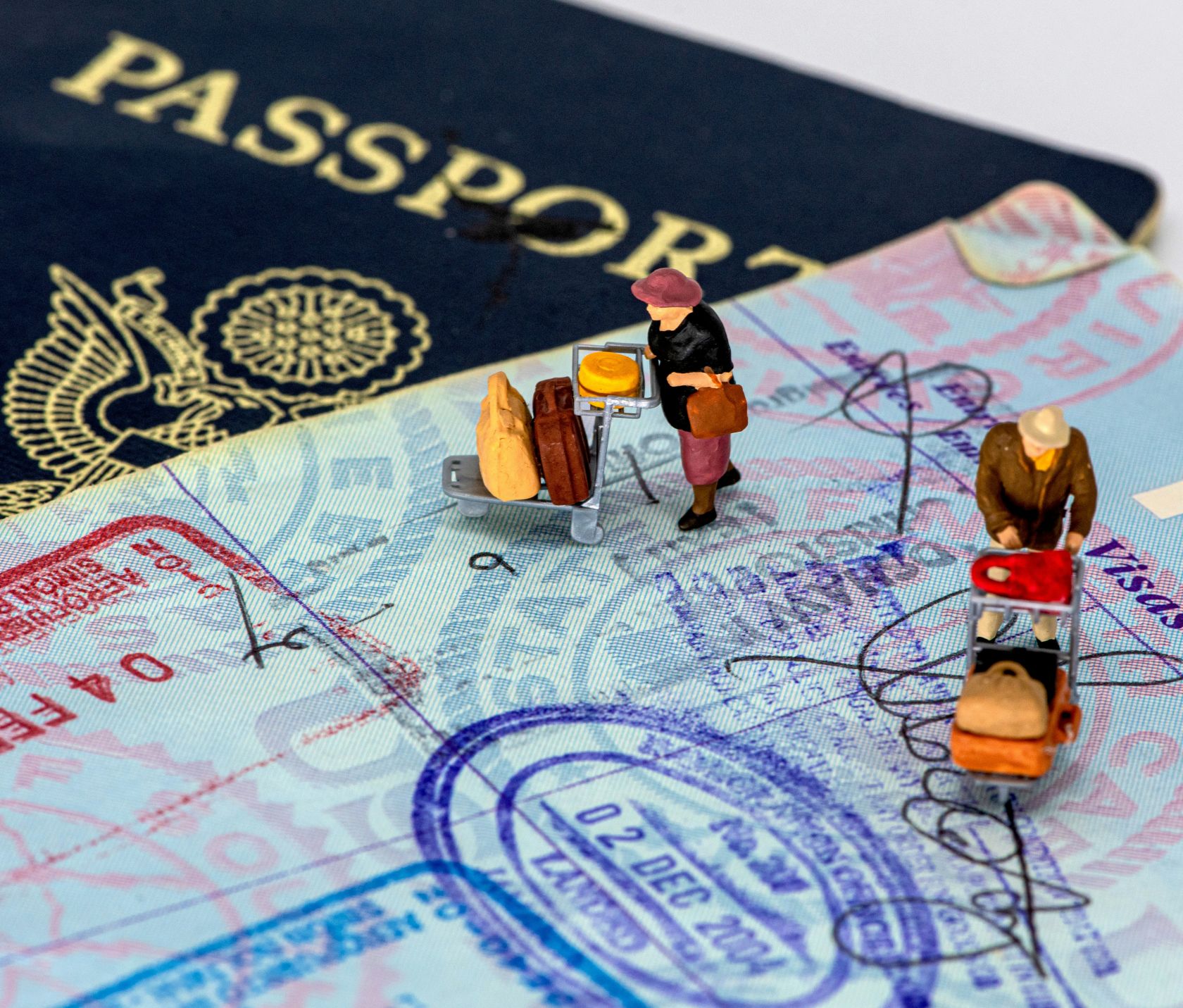
The Entry/Exit System (EES), which replaces traditional passport stamping with a biometric registration process, has now processed more than 110 million border crossings since its introduction. During that time, more than 44,000 travellers have been refused entry, most commonly because they did not meet visa or entry requirements or failed to present the correct travel documentation.
Operational challenges
While the figures demonstrate the scale of the system, they have also highlighted operational challenges at some of Europe’s busiest airports. Passengers have reported lengthy queues at border control, with some airports experiencing waiting times of several hours during busy travel periods.
The aviation industry has urged the European Commission to introduce greater flexibility while airports adapt to the new technology. Representatives from Airlines for Europe (A4E), Airports Council International Europe (ACI Europe) and the International Air Transport Association (IATA) have called for practical measures to ease congestion and improve passenger flow throughout the summer.
Significant step
However, European Commissioner for Internal Affairs and Migration Magnus Brunner has defended the rollout, describing the system as a significant step forward for European border security. Speaking after talks with aviation representatives, he said the Commission would continue working with member states experiencing operational difficulties but ruled out suspending the system altogether.
According to Brunner, many of the delays are linked not only to the introduction of biometric checks but also to staffing shortages and infrastructure limitations at certain airports. European officials maintain that the majority of the bloc’s external border crossing points are operating as expected.
Entry/Exit System
Unlike the previous passport-stamping process, the Entry/Exit System automatically records every entry and departure by non-EU travellers entering the Schengen Area. The digital system is also designed to identify visitors who remain beyond the permitted 90-day limit within any 180-day period, providing border authorities with a more consistent way of monitoring overstays across participating countries.
This is one of the most significant changes introduced by the new system and is expected to improve immigration management and security while reducing the risk of fraudulent travel records.
Broader transformation
The EES also forms part of a broader transformation of Europe’s external borders. It will eventually work alongside the European Travel Information and Authorisation System (ETIAS), which is now expected to launch in 2027 following several implementation delays. Once operational, ETIAS will require visa-exempt travellers, including British and American citizens, to obtain online travel authorisation before entering most Schengen countries.
For travellers heading to Portugal this summer, the practical advice remains unchanged. Visitors should allow additional time when arriving at airports, ensure passports remain valid under Schengen entry requirements, and be prepared to complete biometric registration if requested by border officials.
Although some disruption is expected while the new procedures become fully established, European authorities say refinements to staffing, technology and passenger processing should help reduce waiting times as the system continues to mature.
 Add as a preferred source on Google







 Portugal Handbook
 English
 Nederlands
 Deutsch
 Français
 Español
 Italiano
 Svenska
 Pусский
 中文
中文 Türkçe
 Português
 Czech
Czech Hungarian
 Polski
 عربي
عربي Suomi
Suomi עִברִית
 Português (Brasil)
Follow us on social media