


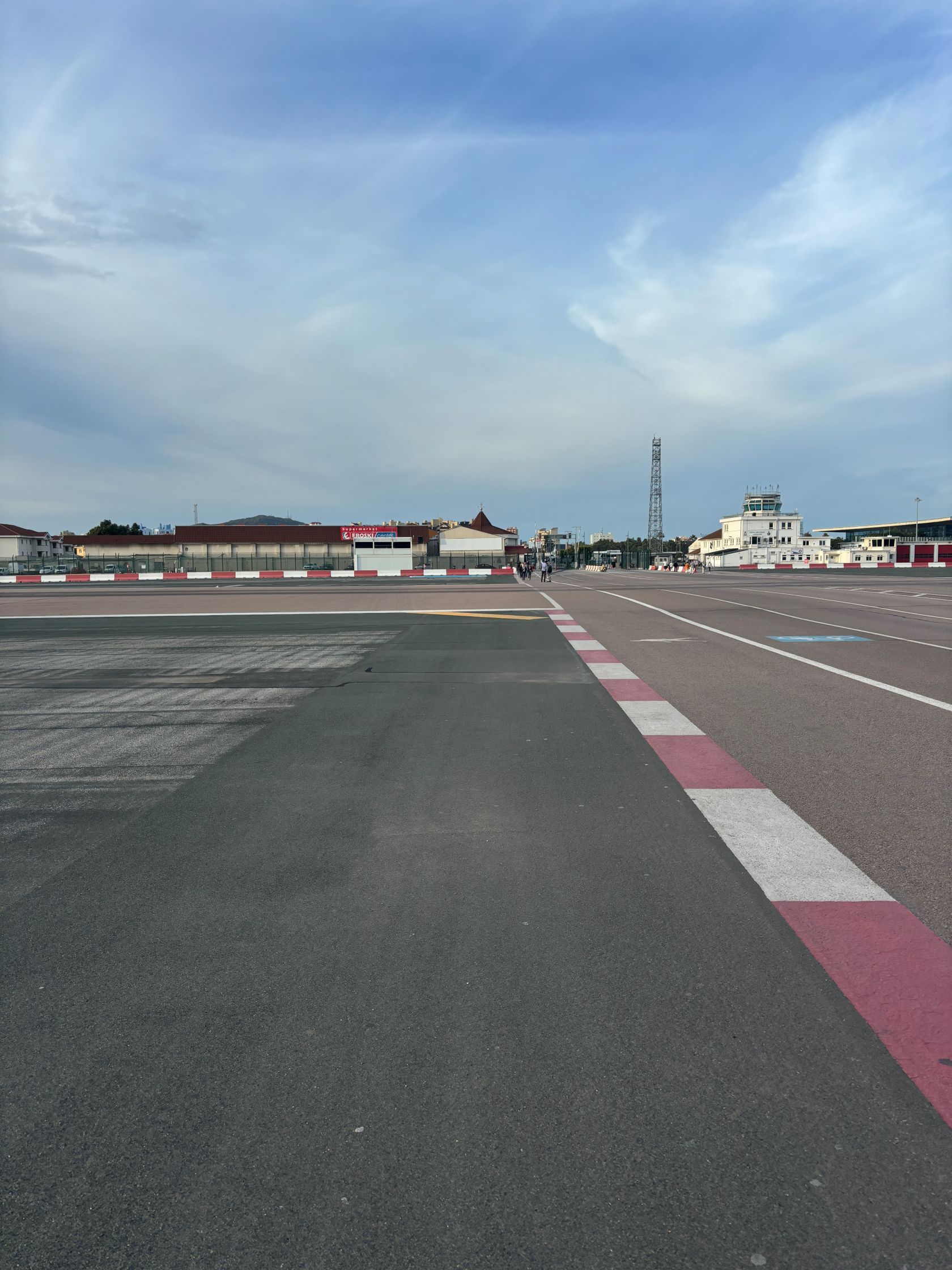
The change forms part of the long-awaited post-Brexit agreement between the United Kingdom and the European Union and is expected to transform daily life for thousands of cross-border workers, businesses and residents on both sides of the frontier.
Around 15,000 people cross between Spain and Gibraltar every working day, many travelling from the neighbouring Spanish town of La Línea de la Concepción, where a significant proportion of the local economy depends on jobs across the border. Until now, commuters have frequently faced lengthy queues, particularly during morning and evening rush hours.
Under the new arrangements, people will be able to move much more freely between Gibraltar and Spain, removing a long-standing source of disruption while strengthening economic ties between the two communities.
Although travellers arriving in Gibraltar directly from non-Schengen countries, including the UK, will still undergo passport checks at the airport and port, the land frontier with Spain is expected to become significantly more fluid.
A historic shift after more than a century
The removal of routine border controls marks one of the biggest changes since the frontier was first established in 1908. It also represents a remarkable contrast to previous periods of tension, including the closure of the border by Spanish dictator Francisco Franco between 1969 and 1982, when families, workers and businesses were separated for more than a decade.
Following the UK’s decision to leave the European Union in 2016, Gibraltar’s future relationship with Spain became one of the most complex aspects of Brexit negotiations. Unlike mainland Britain, Gibraltar voted overwhelmingly to remain in the EU, with 96% of voters backing continued membership, reflecting the territory’s close economic links with neighbouring Spain.
Businesses preparing for change
Local businesses are expected to benefit from easier movement of customers and workers, with retailers, restaurants and tourism operators hoping the agreement will encourage more visitors.
However, the new arrangements also introduce important regulatory changes. Gibraltar will align more closely with parts of the EU customs framework, meaning imported goods will face additional administrative requirements and businesses will need to comply with certain European standards.
One of the most notable financial changes is the introduction of a new transaction tax, replacing Gibraltar’s existing import duty system. The tax will begin at 15%, gradually increasing to 17%, as part of the agreement designed to align Gibraltar more closely with EU customs rules.
What it means for travellers
For most visitors travelling overland between Spain and Gibraltar, the agreement should mean shorter waiting times and a smoother crossing, particularly during the busy summer months.
Officials on both sides have described the agreement as a milestone that balances border security with easier travel and stronger economic cooperation, while preserving Gibraltar’s constitutional status.
Although the agreement still requires final ratification by the UK and European parliaments, preparations are already under way, with sections of the border infrastructure being dismantled ahead of the planned implementation date.
 Add as a preferred source on Google







 Portugal Handbook
 English
 Nederlands
 Deutsch
 Français
 Español
 Italiano
 Svenska
 Pусский
 中文
中文 Türkçe
 Português
 Czech
Czech Hungarian
 Polski
 عربي
عربي Suomi
Suomi עִברִית
 Português (Brasil)
Follow us on social media