


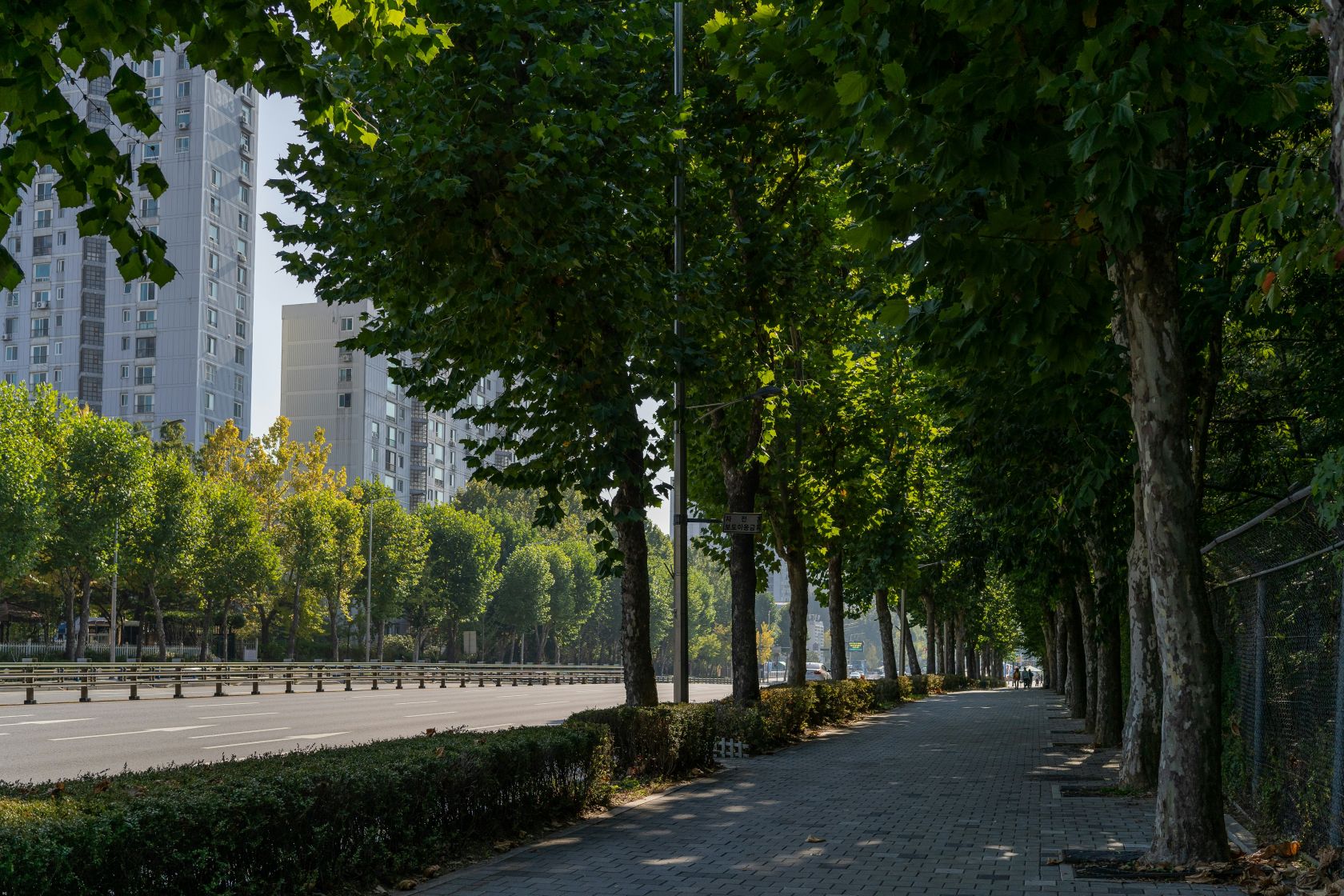
The Bloco de Esquerda (BE) has presented a proposal that would require every consolidated urban neighbourhood to have at least 30% tree canopy cover by 2035. It also aims to ensure that everyone living in urban areas is within 300 metres of a green space measuring at least 0.5 hectares.
The proposal comes as Portugal experiences another summer of high temperatures, with many parts of the country repeatedly affected by heatwaves. As cities continue to expand, experts have increasingly pointed to the importance of urban trees in helping to reduce heat, improve air quality and create more comfortable public spaces during the hottest months of the year.
As reported by Público, the proposal has been submitted to the Assembly of the Republic with the aim of creating a long-term national strategy for urban greening, rather than relying solely on general policy guidelines. It is intended to complement the Government's Pro Nat.Urbe programme, which sets national objectives but does not establish minimum targets for individual neighbourhoods.
If approved, municipalities would have 18 months to prepare tree-planting and green space plans. These would assess existing tree cover, identify priority areas for new planting and include a timetable for future work and maintenance.
The proposal recognises that not every neighbourhood will be able to reach the 30% target because of space constraints. In those cases, municipalities would instead be encouraged to introduce alternative cooling measures, such as green roofs, living walls, removing unnecessary paving, creating green corridors and installing additional shaded areas.
The plans would also focus on neighbourhoods that need them most. Público reports that at least half of the programme's annual funding would be allocated to areas with the highest urban temperatures, the lowest tree cover and green space, and greater levels of social vulnerability. These priority areas would be identified by the Directorate-General for Territory in cooperation with the Portuguese Environment Agency.
Rather than introducing penalties for municipalities that fail to meet the targets, the proposal favours transparency. It calls for the creation of a public online platform where residents could monitor each municipality's progress, alongside an annual report presented by the Government to parliament.
The proposal reflects a broader trend seen across Europe, where cities are investing more in trees and green infrastructure as temperatures continue to rise. Besides providing shade, urban trees can help lower surrounding temperatures, support wildlife, absorb carbon dioxide and improve the overall quality of public spaces, making them an increasingly important part of climate adaptation strategies.
The proposal will now be debated in the Assembly of the Republic before any of the measures can become law.
 Add as a preferred source on Google







 Portugal Handbook
 English
 Nederlands
 Deutsch
 Français
 Español
 Italiano
 Svenska
 Pусский
 中文
中文 Türkçe
 Português
 Czech
Czech Hungarian
 Polski
 عربي
عربي Suomi
Suomi עִברִית
 Português (Brasil)
Follow us on social media