


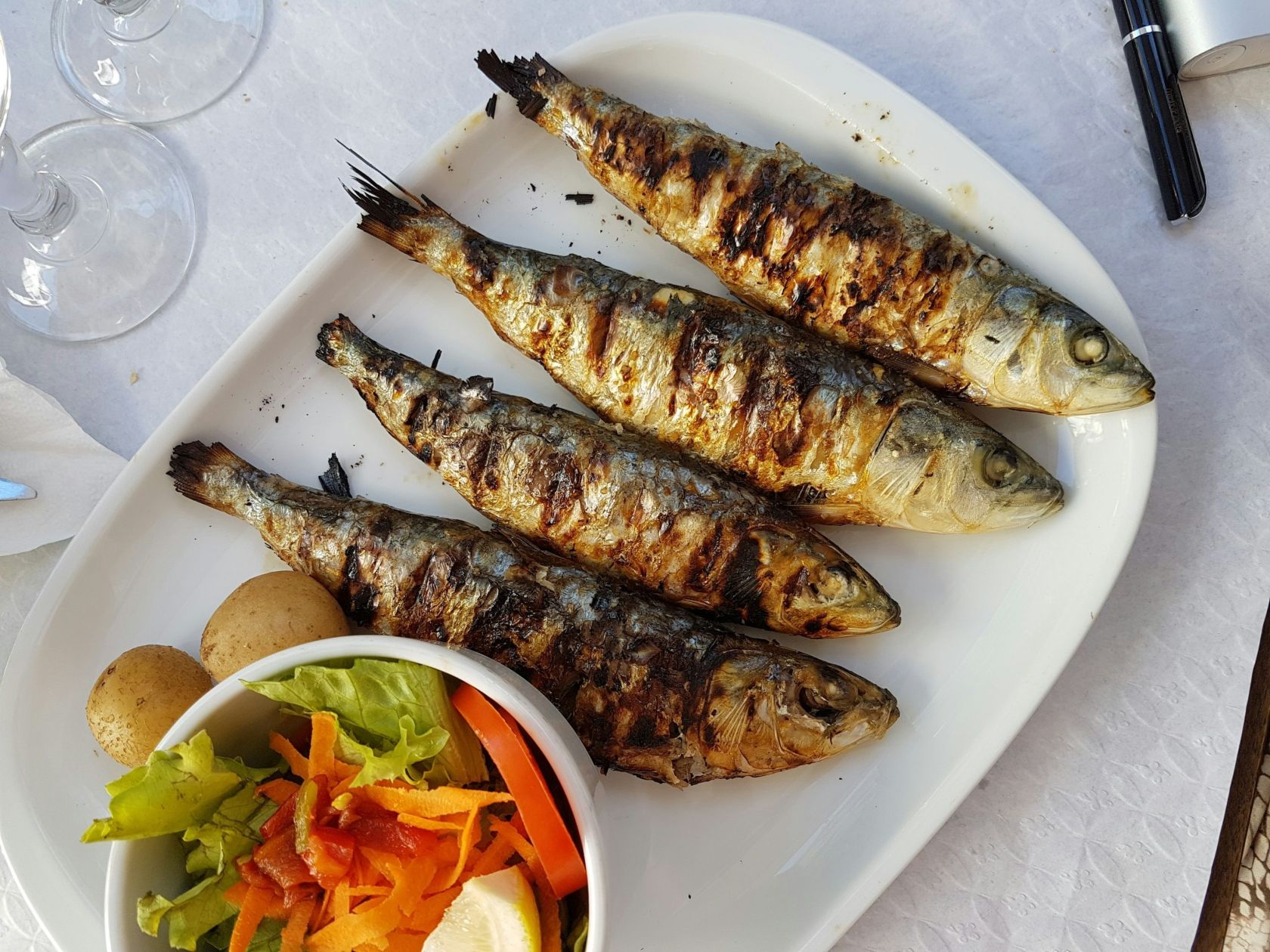
At 2:30pm, most Americans are still working. In Portugal, in summer, lunch may just be arriving.
A second bottle appears. Bread is replaced. Small dishes of tuna pâté, olives and olive oil settle into the middle of the table beside chilled vinho verde sweating in the heat. Someone orders another sharing plate almost absentmindedly. Nobody seems particularly interested in leaving.
That, increasingly, is the point.
For years, aspirational travel operated at full speed. Reservations secured months ahead. Beach clubs are designed more for photographs than swimming. Holidays were planned with the same intensity as people were supposedly trying to escape. Lately, though, people seem tired of trips that feel scheduled down to the hour.
Portugal has benefited from this without particularly trying.
Much of daily life here still revolves around staying put. Coffee rarely arrives in paper cups. Lunch drifts naturally into late afternoon. Alfresco dining is not treated as an occasion — it is simply part of life for much of the year. Visitors arrive expecting the weather and coastline. What they leave attached to is the pace.
Long lunches have become the social centre of the Algarve summer again, particularly among younger Europeans and the international crowd who have made the region their own. The same shift is visible from Lisbon terraces to the southern coast. Nightlife feels less important than it once did. Tables fill early and remain occupied for hours. Plans loosen somewhere around the second carafe of wine.
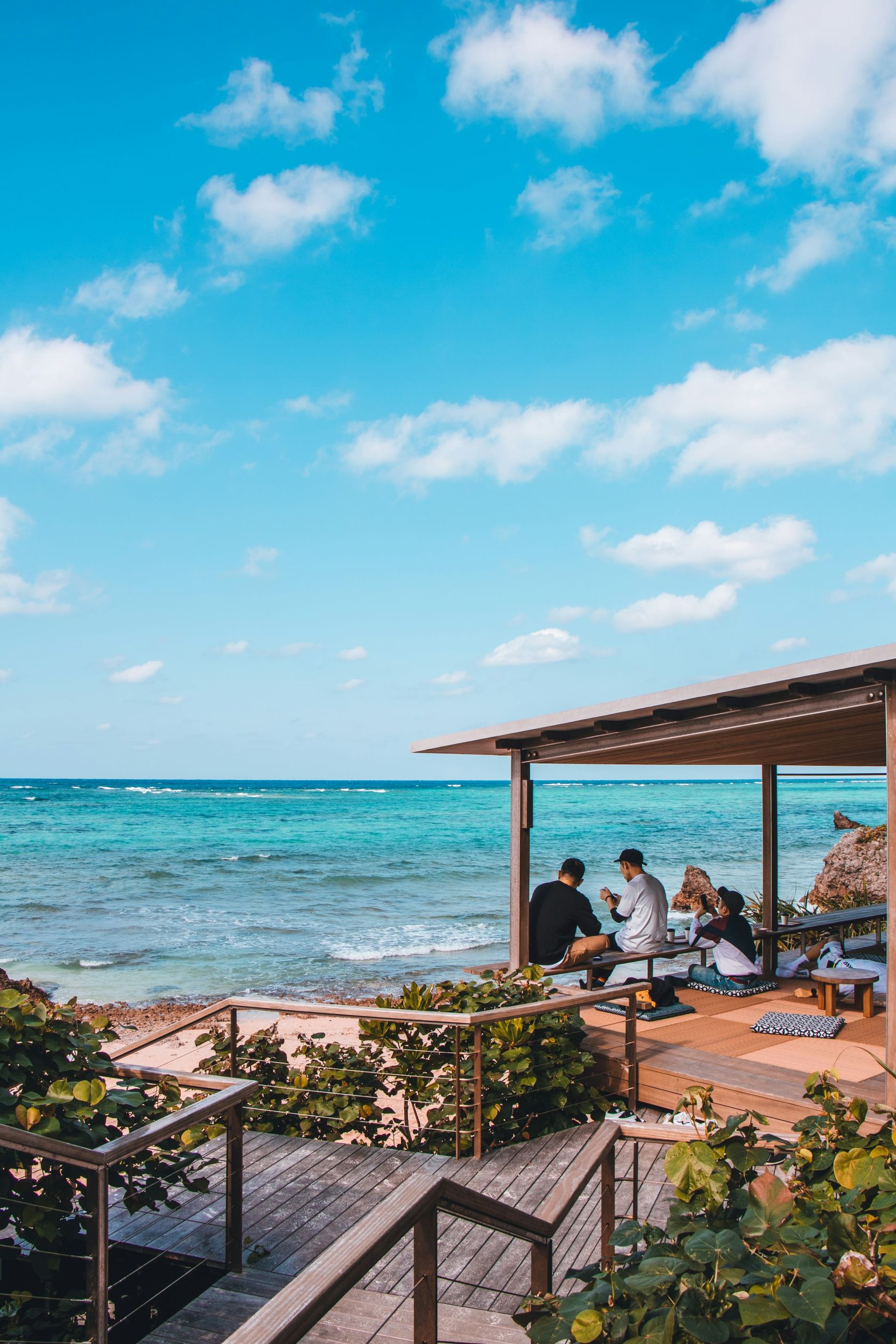
At places like BJ’s, Cabana Sass, Julia’s or Izzy’s, lunch can easily stretch toward sunset without anyone acknowledging the time. Live music starts softly in the background. Children drift between tables and the sand. People arrive in beach clothes and somehow remain there until dinner.
Heat changes behaviour this way. By mid-afternoon, nobody seems especially interested in rushing anywhere else.
Across Portugal, from Comporta to the Algarve, the mood feels less polished than it did a few years ago. The best lunches are often the simplest: grilled dourada, cold white wine, good olive oil, bread still warm from the bakery down the road. Nothing matches perfectly. Nothing looks untouched.
The atmosphere feels far removed from lunches designed mainly to be photographed.
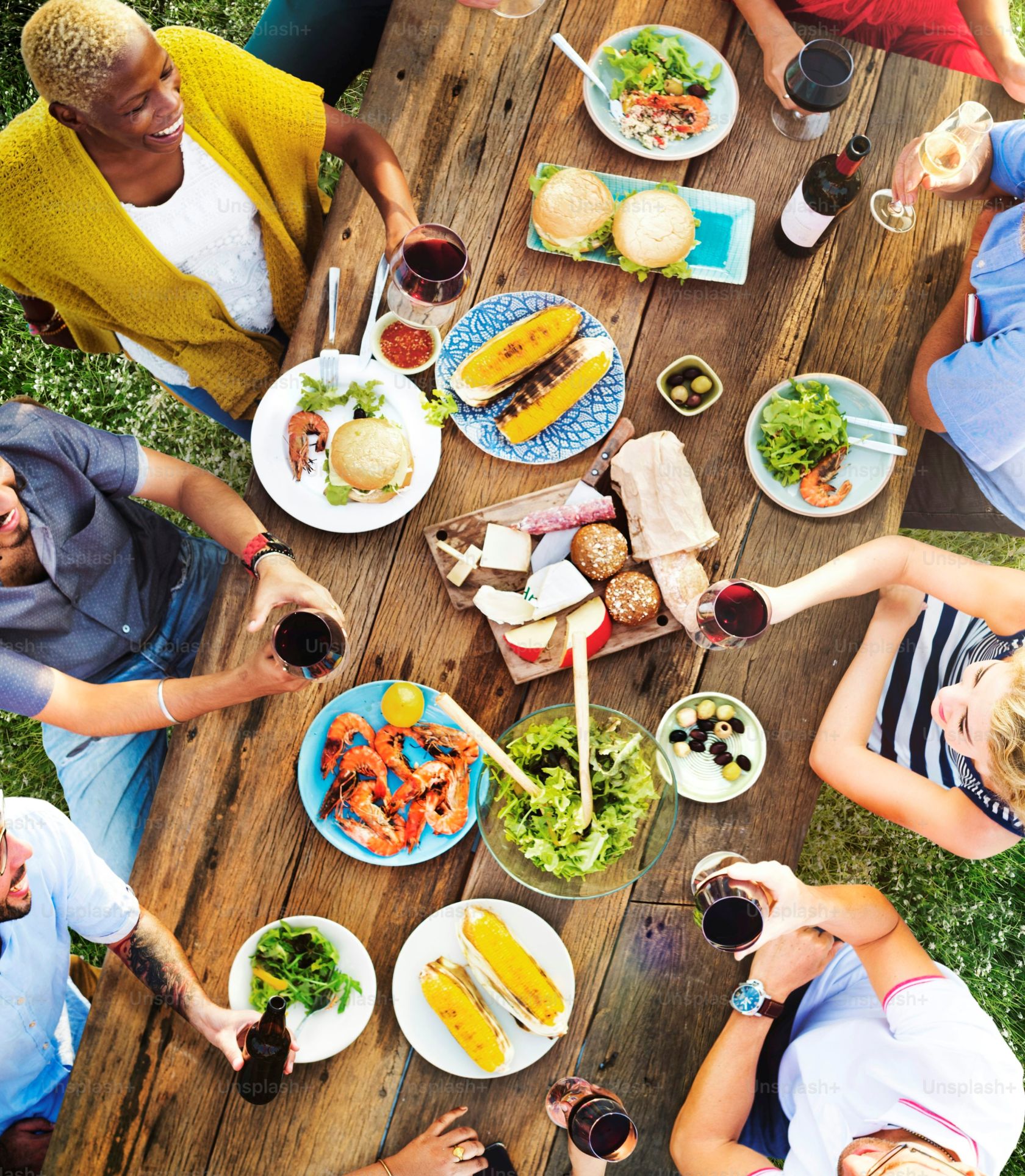
There is something deeper happening underneath it all, though nobody at the table would describe it that way. After years of constant notifications and crowded schedules, people seem increasingly drawn toward experiences that exist entirely in the room. Meals that unfold slowly. Phones were left face down beside sunglasses. Conversations that wander without needing to arrive anywhere in particular.
Portugal’s rhythms support this naturally. Many restaurants are still designed around staying rather than turning tables. Multi-generational dining remains unremarkable. Children stay out late. Nobody appears especially alarmed by lunch becoming dinner.
The most memorable moments here are rarely the spectacular ones. More often, they arrive somewhere around the third hour, when the light changes slightly, and nobody has checked the time in a while. And nobody particularly wants to.
 Add as a preferred source on Google







 Portugal Handbook
 English
 Nederlands
 Deutsch
 Français
 Español
 Italiano
 Svenska
 Pусский
 中文
中文 Türkçe
 Português
 Czech
Czech Hungarian
 Polski
 عربي
عربي Suomi
Suomi עִברִית
 Português (Brasil)
Follow us on social media