


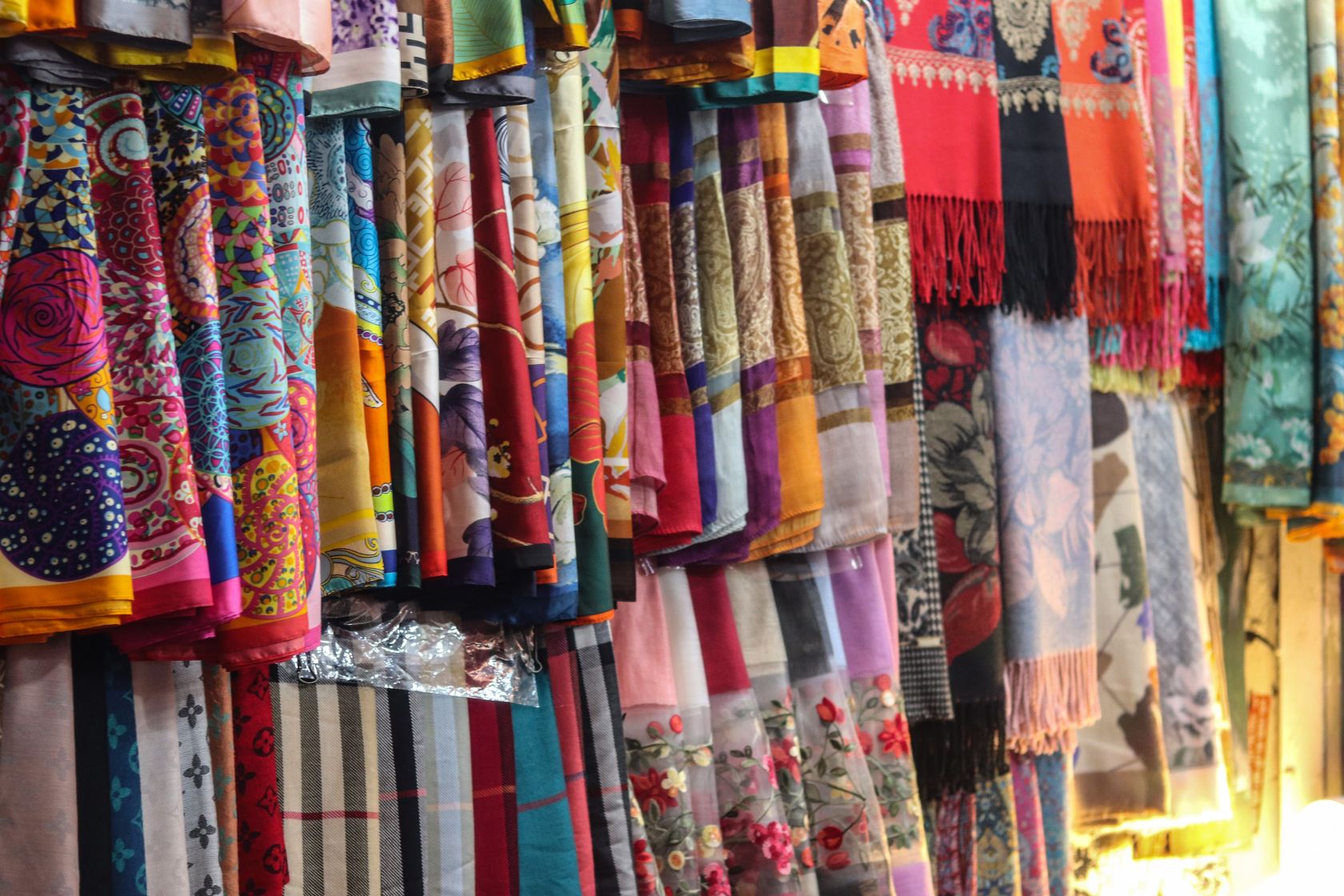
I always thought this to be an eco-friendly fabric, but now I’m not so sure. I am no fashionista, but items made from viscose are often touted as a more environmentally friendly alternative to other fabrics like polyester (made from oil) and traditional cotton (a product that needs lots of water and pesticides to thrive).
Viscose fabric feels nice, as it’s soft and breathable, and it's a semi-synthetic fabric made from cellulose, a natural structural material found in the cell walls of plants and trees. The raw materials typically include wood pulp from trees like beech, pine, eucalyptus, or bamboo. OK so far then, made from natural products. Viscose fibres are also known as rayon, which mimics the look and feel of silk, and is commonly used in textile manufacturing to create silk-like clothing, upholstery, furnishings and other materials. Viscose is biodegradable, enhances drapability, and is very sustainable.
While the source material is entirely natural, the manufacturing process requires extensive chemical treatment to transform rigid wood pulp into soft, wearable fibres, and it is treated in a somewhat aggressive manner before it ends up as that beautiful material. One of the downsides is that it requires delicate care, as it weakens when wet and is prone to shrinking. Another downside is that it wrinkles easily – and in my book, ironing is a waste of precious time and electricity.
Chemicals are used
In the manufacture of viscose material, the wood of whatever source is chipped and dissolved in chemicals to create a woody pulp solution. The pulp is then washed, bleached, and treated with more chemicals, turning it into a thick, honey-like liquid. This liquid is forced through spinneret machines, then solidified in an acid bath (more chemicals) to create ‘regenerated cellulose’ fibres. These newly formed fibres are then spun into yarn and woven into the fabric known as viscose.
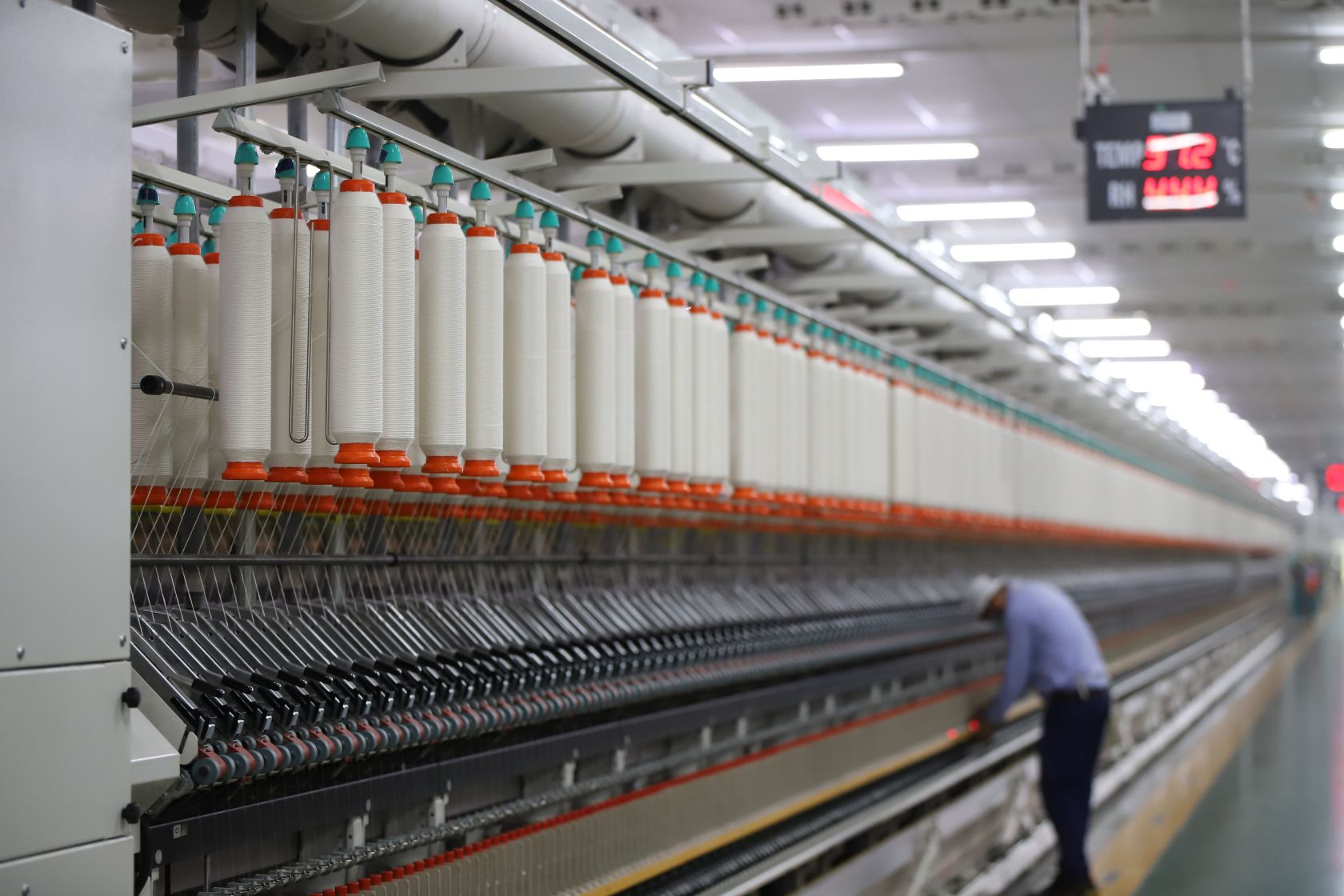
There seems to be no fixed limit on how many chemicals are used, but making it requires dozens of chemicals. Four primary chemicals drive the process: Sodium Hydroxide (caustic soda) is used to steep and dissolve the plant cellulose, Carbon Disulphide (a volatile, highly flammable, and toxic liquid) is used to turn the dissolved cellulose into a liquid spinning solution, and sulfuric acid is used to turn the liquid back into solid fibres. Bleach is used to whiten and purify, and additional agents like ammonia, acetone, and various synthetic dyes and softeners are also commonly used.
Apparently, almost all the world’s viscose is produced in just a handful of places in China, India and Indonesia, and in all those locations, researchers found that manufacturers were dumping untreated wastewater in local lakes and waterways, with the ensuing pollution having a devastating impact on the quality of life for thousands of local people. While many fast-fashion brands market viscose as a sustainable alternative to silk, the environmental reality remains highly concerning.

An alternative to Viscose is Lyocell or Tencel
Lyocell, or as it is more commonly called, Tencel, is a fabric that also uses similar natural fibres, but the process is different and more eco-friendly because a closed-loop manufacturing system is usually used (meaning resources are reused and not wasted), and the toxic chemicals are replaced with a non-toxic organic compound.
TENCEL™ is a registered trademark of the Austrian company Lenzing AG, certifying the production of textile fibres Lyocell and Modal: two artificial fabrics of natural origin, extracted respectively from Eucalyptus and Beech plants. They are soft to the touch and absorb moisture better than cotton, making them highly breathable and comfortable against the skin. But these also have downsides - primarily higher cost, delicate care requirements, and heat sensitivity, being prone to shrinking in hot water or high-heat dryers, losing strength when wet, and being more expensive than standard cotton.
On the plus side, both are biodegradable - because they are derived from plant cellulose, they reduce the build-up of microplastics compared to fully synthetic materials like polyester.
You pay your money; you make your choice. Non-polluting manufacture surely wins, doesn’t it?
 Add as a preferred source on Google







 Portugal Handbook
 English
 Nederlands
 Deutsch
 Français
 Español
 Italiano
 Svenska
 Pусский
 中文
中文 Türkçe
 Português
 Czech
Czech Hungarian
 Polski
 عربي
عربي Suomi
Suomi עִברִית
 Português (Brasil)
Follow us on social media