


There is a reason nobody in the Algarve is eating a hot bowl of pasta at 2pm in August.
It is not sophistication. It is not tradition, exactly. It is biology. The human body in sustained heat redirects blood flow toward the skin to cool itself down, pulling it away from the digestive system in the process. Appetite drops. The stomach, doing less work than usual, sends hunger signals later, differently than it would on a grey Tuesday in November.
The body is not being difficult. It is being efficient.
What it wants instead is water. Acid. Salt. Cold things, or at least things that do not require fire to prepare. It wants, more or less, exactly what the Mediterranean has been eating for centuries.
This is not a coincidence.
Long before anyone understood the physiology behind it, the cuisines of southern Europe were built as a direct response to heat. Gazpacho exists because tomatoes, cucumbers, peppers, and olive oil, when blended cold, require no cooking and replace exactly what the body loses in high temperatures: water, salt, and a small amount of fat.
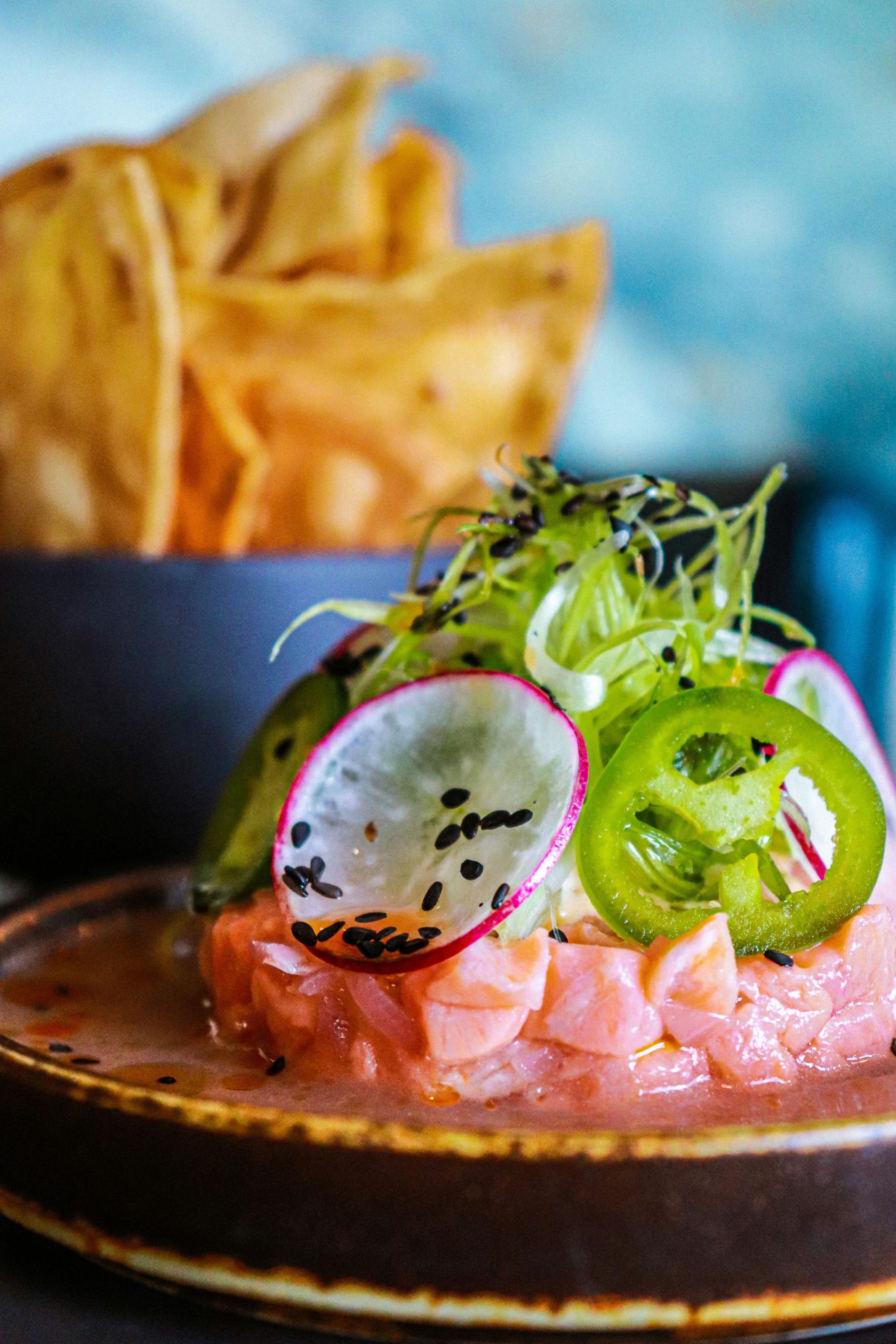
Ceviche, the cold citrus-cured fish of coastal cultures, works on the same principle: protein without heat, acid to stimulate an appetite the warmth has suppressed. The Portuguese tradition of serving salt cod cold, dressed in olive oil and vinegar with chickpeas and egg, is not a quirk of national taste. It is a hot-weather solution that predates refrigeration by several hundred years.
Vinho verde, green wine, slightly sparkling, lower in alcohol than most, served ice cold, was not designed for wine critics. It was designed for August.
Heat also changes when hunger arrives. In cooler climates, appetite follows a relatively predictable change. Breakfast, lunch, dinner, spaced through the day with some regularity. In sustained summer heat, that dynamic shifts later and later, without people quite noticing.
Lunch at 1pm becomes lunch at 2:30pm. Dinner that once started at 7pm slowly pushes past 9. The body, suppressing its appetite through the hottest hours, begins asking for food only once the temperature has started to drop.
Portugal’s meal times, which confuse northern European visitors for approximately the first three days and then begin to feel completely logical, are largely a biological response that calcified into culture. Nobody decided that dinner should start at 8 or 9pm. The heat decided, and the habit followed.
What this produces at the table is something particular.
Cold things dominate. In the Algarve in summer, a meal often begins with things that require almost no preparation: olives, good bread, tuna pâté, slices of local cheese, and a bowl of something pickled. These are not starters in the formal sense. They are the table coming to life slowly, giving everyone time to arrive, cool down, drink some water, and reorient from the heat outside to the shade within. The body is being eased back toward appetite rather than confronted with it.
Grilled fish follows the same logic. A whole dourada or robalo, cooked quickly over high heat and served almost immediately, retains its moisture in a way that heavy braises or slow-cooked meats do not. It is light enough not to sit heavily in a stomach already working harder than usual just to regulate temperature. It is also, along the Algarve coast, simply what is fresh and available, heat and geography pulling the cuisine in the same direction from two angles at once.
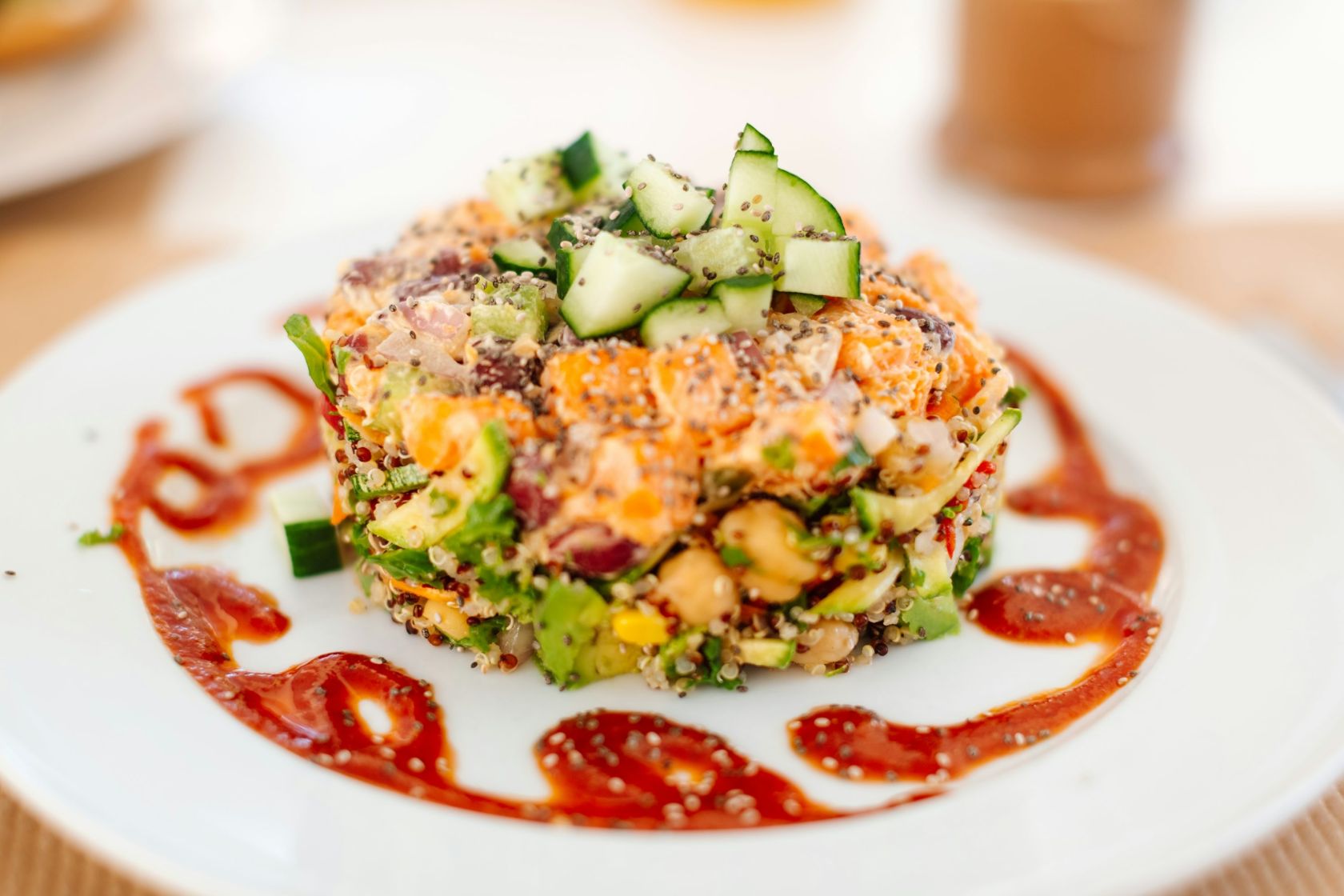
Salads here are not side dishes or concessions to health. In summer, they are structural. Tomatoes sliced thickly with coarse salt and good olive oil. Cucumber with fresh herbs. Roasted peppers that have been left to cool completely before serving. These are dishes built on the understanding that cold vegetables dressed in acid and fat are precisely what a body in heat is looking for, even when it cannot quite articulate why.
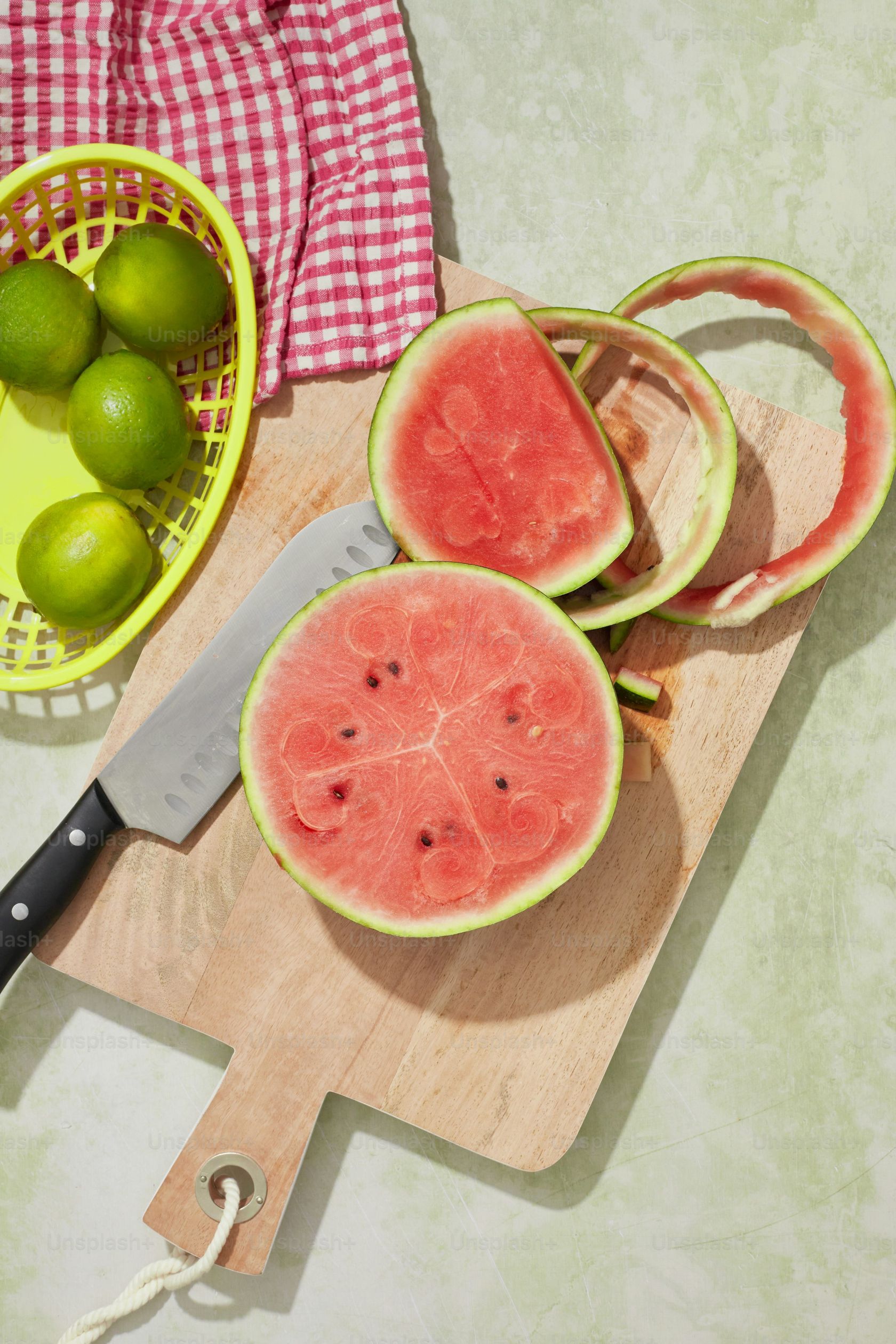
Watermelon and pineapple appear everywhere by July. At beach restaurants, at market stalls, cut into rough wedges and eaten standing up, through villages and beaches. The body’s need for water in heat is obvious; the particular pleasure of eating it rather than drinking it is something the Algarve has understood for a long time.
What heat ultimately produces, when a culture has lived alongside it long enough, is a cuisine that looks effortless because it is efficient. Nothing wasted. Nothing unnecessarily heavy. Cooking methods that make sense in a kitchen without air conditioning. Ingredients that travel well in warm temperatures, that are grown nearby because the same heat that demands them also produces them.
The Algarve table in summer is not a style choice.
It is what happens when a landscape and a climate spend several centuries in conversation with the people living inside them.
The result, it turns out, is one of the most intelligent food cultures in Europe.
It just took the rest of the world a while to notice.
 Add as a preferred source on Google






 Portugal Handbook
 English
 Nederlands
 Deutsch
 Français
 Español
 Italiano
 Svenska
 Pусский
 中文
中文 Türkçe
 Português
 Czech
Czech Hungarian
 Polski
 عربي
عربي Suomi
Suomi עִברִית
 Português (Brasil)
This was a very interesting well thought-out article. In 1999 I was in Madrid, Spain mid July and I didn't understand why some towns I drove through were vacant from noon till 2 or 3 PM, looking deserted like something out of a Twilight Zone episode. It was of course to escape the heat that felt like an oven. Since I had flown in from Denmark with a friend, I was still used to dinner at 6 or 7 PM the latest. Instead, we were eating dinner at almost midnight in sidewalk restaurants filled with hundreds of people relishing the cooler night air.
By Tony from USA on 03 Aug 2026, 22:04