


Preliminary data from IPMA shows that average rainfall during July was just 0.8 millimetres, corresponding to less than 8% of the normal amount expected for the month.
This made July 2026 the driest July of the 21st century and the eighth driest since records began in 1931.
Absence of rain
Rain was almost completely absent across much of the country during the month. With the exception of the districts of Viana do Castelo and Braga, there was generally no rainfall recorded across mainland Portugal.
The lack of rain has led to a significant expansion of meteorological drought. At the end of June, drought conditions affected more than 60% of mainland Portugal, but by the end of July they had spread across the entire territory.
According to IPMA, drought conditions currently range from mild to moderate.
Heatwave records
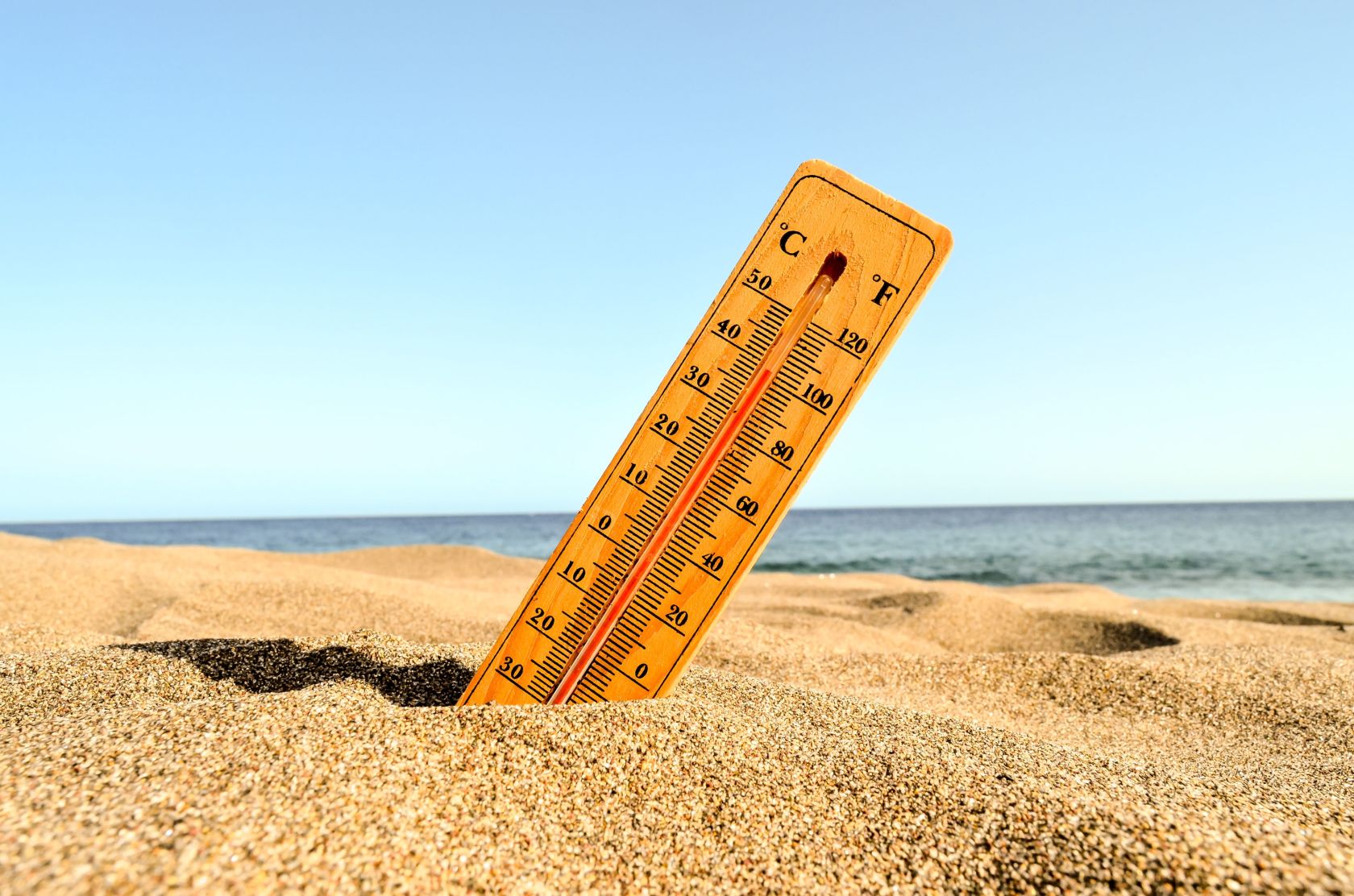
July was also particularly warm. The average air temperature reached 24.04°C, making it the seventh warmest July in mainland Portugal since 1931.
The month included a heatwave between 2 and 5 July, which particularly affected the inland North and Centre of the country.
Several new temperature records were also registered during this period. The highest maximum temperature recorded during the month was 44.3°C in Mora on 3 July.
Fire risk
The combination of very low rainfall, high temperatures and dry conditions has also contributed to increased rural fire risk in several parts of Portugal at the beginning of August.
More than 60 municipalities were placed under maximum fire danger over the weekend, including municipalities in the Faro district.
IPMA's final climatological reports for July, covering mainland Portugal and the islands, are expected to be published in the middle of August.
Set The Portugal News as your preferred source for news on Google
 Add as a preferred source on Google








 Portugal Handbook
 English
 Nederlands
 Deutsch
 Français
 Español
 Italiano
 Svenska
 Pусский
 中文
中文 Türkçe
 Português
 Czech
Czech Hungarian
 Polski
 عربي
عربي Suomi
Suomi עִברִית
 Português (Brasil)
Follow us on social media