


The most interesting thing is that we have finally started to move from announcements to installed equipment, signed contracts and industrial production. The most recent example is the Green Hydrogen Sines project, led by the Portuguese company Beyond Green, which awarded RCT GH Hydrogen the supply of a 10 MW electrolyser, intended to produce around a thousand tons of green hydrogen per year from 2027.
In isolation, 10 MW may seem small compared to the size of the energy projects announced today in Europe. But the importance of this operation lies in the context. This is the first confirmed commercial order from RCT GH Hydrogen, a partnership between the German group RCT and the Chinese Guofu Hydrogen. The technology will be of Chinese origin, but the equipment will be manufactured in Germany. Sines thus also becomes a meeting point between Asian technology, European industrial capacity and Portuguese investment. At a time when Europe is simultaneously seeking to decarbonise the economy and regain some industrial autonomy, this combination deserves attention.
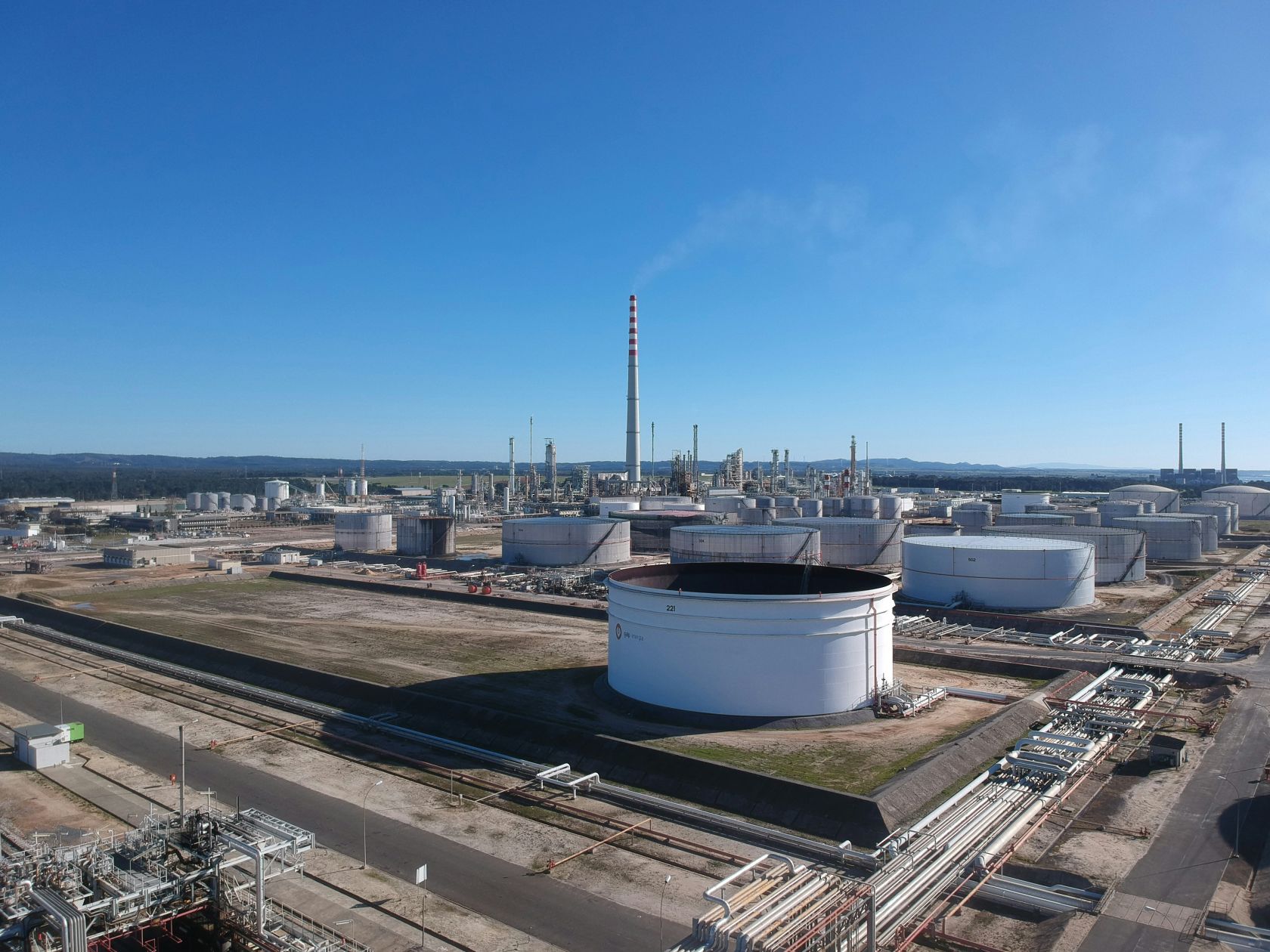
Even more important is to realise that this project is not alone. Galp has meanwhile completed the installation of 100 MW of electrolysers at the Sines refinery, an investment of another scale that should allow the production of up to 15 thousand tons of green hydrogen per year and replace part of the hydrogen currently produced from fossil fuels. The expected reduction in emissions is around 110 thousand tons per year. For the first time, therefore, we are beginning to observe in Portugal what we have been discussing for years at conferences: the concrete industrial use of green hydrogen to decarbonise activities that are difficult to electrify.
This is where Sines becomes particularly interesting. In the same territory, deep-water ports, industry, renewable production, hydrogen, data centres, submarine cables and international investment begin to converge. Each of these activities benefits from the others. Data centres need huge amounts of competitive electricity; the industry needs energy and green molecules; hydrogen needs abundant renewable production; and everyone needs logistical infrastructure and access to international markets. We are witnessing the formation of a true economic and energy ecosystem.
But we must avoid easy enthusiasm. Producing green hydrogen remains expensive, requires large amounts of renewable electricity and water, requires industrial customers willing to enter into long-term contracts, and depends on infrastructure that has yet to grow significantly. Not all projects announced in Europe will reach the construction phase.
This is precisely why signed contracts and installed equipment are more important than new announcements.
Portugal has an extraordinary opportunity to use the energy transition not only to produce clean electricity, but to attract industry, technology, investment and knowledge. Sines begins to show how this can happen.
Set The Portugal News as your preferred source for news on Google
 Add as a preferred source on Google








 Portugal Handbook
 English
 Nederlands
 Deutsch
 Français
 Español
 Italiano
 Svenska
 Pусский
 中文
中文 Türkçe
 Português
 Czech
Czech Hungarian
 Polski
 عربي
عربي Suomi
Suomi עִברִית
 Português (Brasil)
Follow us on social media