


That’s because tigers are photogenic, polar bears look mournful on shrinking ice sheets and the great whales inspire documentaries narrated by David Attenborough. But, as for insects? Well, most people regard them as little more than annoying things that buzz around the barbecue, splatter across windscreens or invade the kitchen. Yet, scientists increasingly believe that insects may be among the most important creatures on Earth. Their decline could prove to be one of the most defining environmental challenges of the 21st century, not because we particularly like them, but because life itself depends on them.
Insect populations
The evidence for this is now difficult to ignore. For many years, drivers have noted that modern car journeys no longer end with windscreens plastered with dead flies. While this measurement is hardly a rigorous scientific method, long-term monitoring has confirmed what motorists have long suspected. In many parts of Europe, insect populations have fallen dramatically.
Watch the full video here 👇👇👇
Perhaps the most widely quoted study came from Germany, where researchers recorded a decline of more than 75% in flying insect biomass across protected nature reserves over 27 years. Similar trends have since been observed elsewhere, although the scale varies depending upon habitat, location and the species being studied. Scientists stress that there is no single global percentage because some insects are declining rapidly while others remain stable or, in a few cases, are increasing. What is beyond serious dispute is that many insect groups are under pressure.
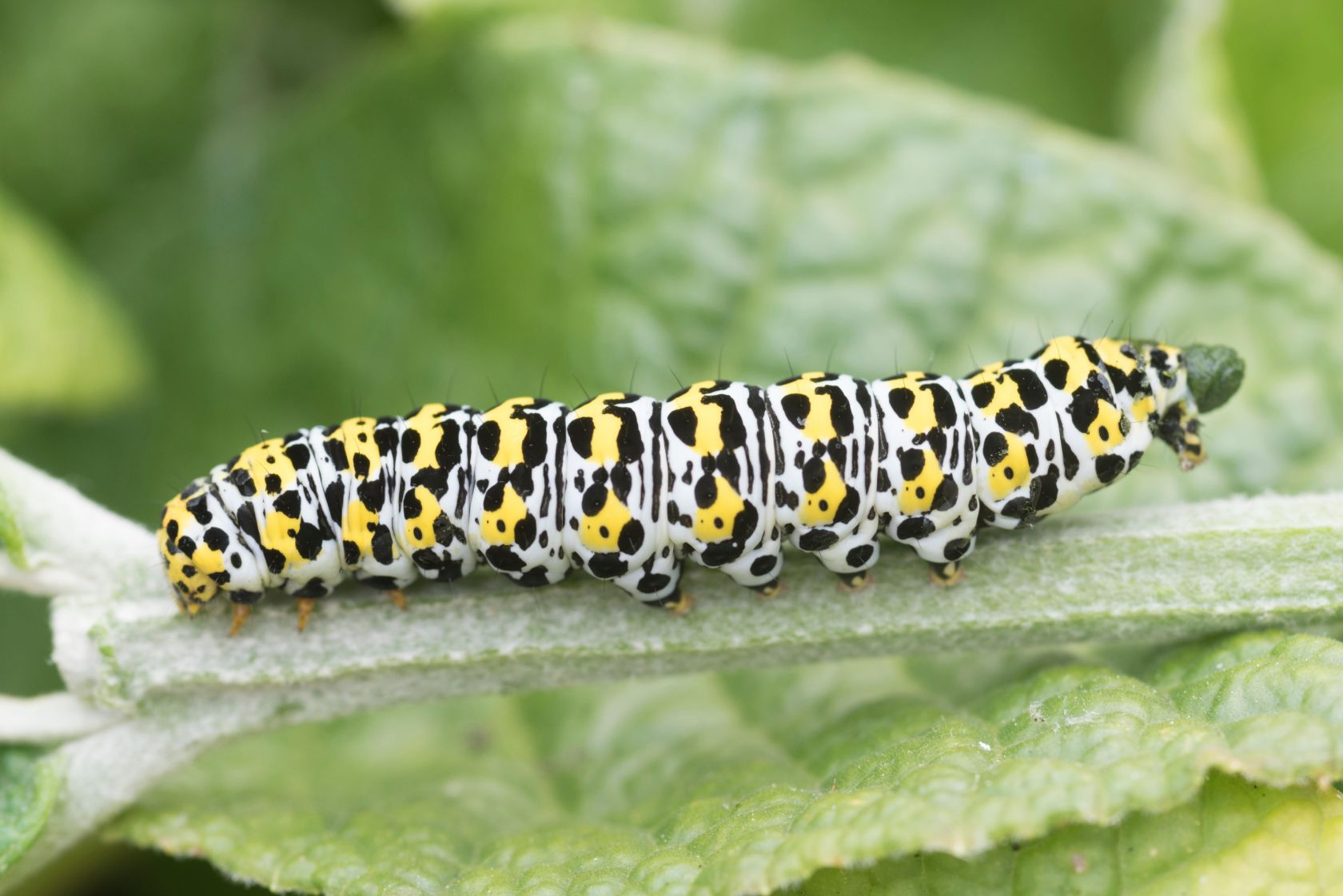
The decline in pollinators is particularly worrying. Nearly 90% of the world’s wild flowering plants rely, at least in part, on animal pollination, while more than three-quarters of food crops benefit from or rely on pollinating insects. Bees are the stars of the show, but butterflies, moths, hoverflies, beetles and even some types of wasps all play vital roles.
The popular image is often of busy honeybees going about their delicious business in dreamy meadows filled with much fragrance and sublimely beautiful blossoms. Yet, Europe’s greatest concern is not actually with domesticated honeybee hives managed by beekeepers, but with wild pollinators. Across Europe, around 9% of wild bee species, 20% of butterfly species and nearly 40% of hoverfly species are now considered threatened. These figures represent a gradual erosion of biodiversity rather than an overnight collapse. But the direction of travel is unmistakable. So, what’s actually driving this decline?

Habitat loss
Unfortunately, there is no single villain. Habitat loss tops almost every scientific list. As agriculture has become increasingly intensive, wildflower meadows, hedgerows, scrubland and traditional pasture have disappeared, leaving insects with fewer places to feed, breed and shelter. Pesticides are another major factor. Modern insecticides are remarkably effective at killing the insects they target, but they can also quite easily kill many beneficial species to boot. Recent global analyses show that pesticide exposure and habitat loss work together, reducing both the abundance and the diversity of wild bees visiting crops.

Climatic shifts add another layer of complexity. Rising temperatures, prolonged droughts and extreme rainfall can disrupt delicate relationships between flowering plants and their pollinators. Some insects emerge earlier than the flowers they depend upon. Others struggle to survive hot, dry summers or particularly cold winters.
Invasive species, disease, pollution and artificial lighting also contribute to mounting pressures on our insect populations. But no single cause explains everything. Together, however, all these factors conspire to create a cumulative burden from which many species are struggling to recover.
Species diversity
Portugal offers both reasons for concern and reasons for optimism. Despite its relatively small size, Portugal boasts remarkable insect diversity. Scientists have identified around 746 bee species, 148 butterfly species, more than 2,600 moth species and over 220 hoverfly species. The country’s varied landscapes, from Atlantic dunes, cork oak forests and Mediterranean scrub, provide a rich mosaic of wild habitats. Yet, Portugal is hardly immune from some of the ills that modernity foists upon our natural world.
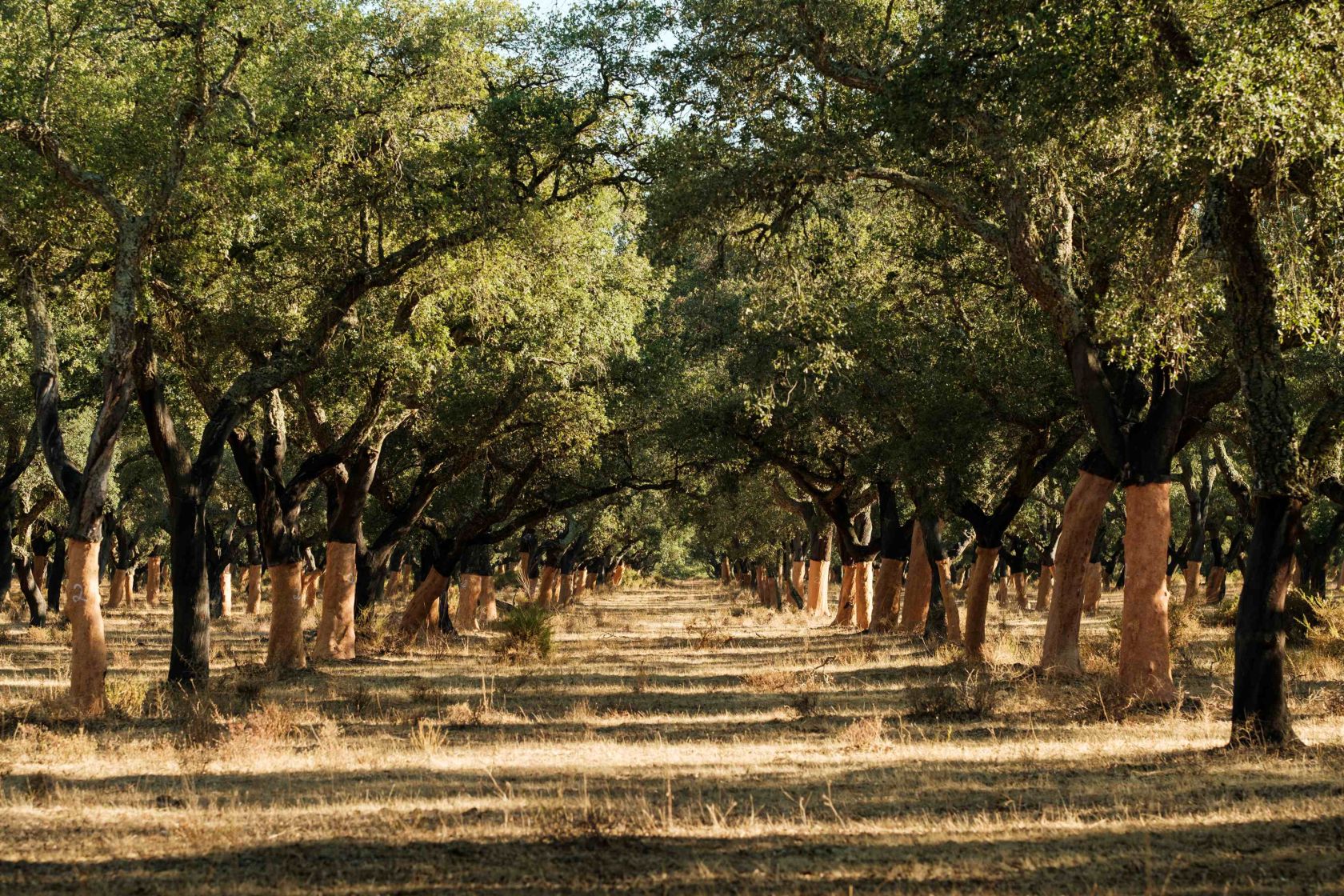
Intensive farming in some regions, urban expansion, increasingly frequent droughts and devastating wildfires all threaten insect habitats. Southern Portugal has experienced prolonged periods of extreme heat in recent years, placing additional stress on both insects and the flowering plants they rely upon.
Recognising the importance of pollinators, Portugal has recently launched a national action plan aimed at conserving pollinating insects through habitat restoration, monitoring programmes, public education and improved land management.
All of this represents progress, but success will ultimately depend upon implementation rather than good intentions. That logic applies to every nation.
Global consequences
The global consequences of continued decline extend far beyond fewer butterflies in our gardens. Insects occupy the foundation of countless food chains. Birds feed insects to their chicks, and some bat species depend on moths for their food. Amphibians, reptiles and even small mammals all rely on insect prey. So, when insect populations shrink, predator numbers often follow suit. So, you can see how this problem gradually creeps up the food chain.
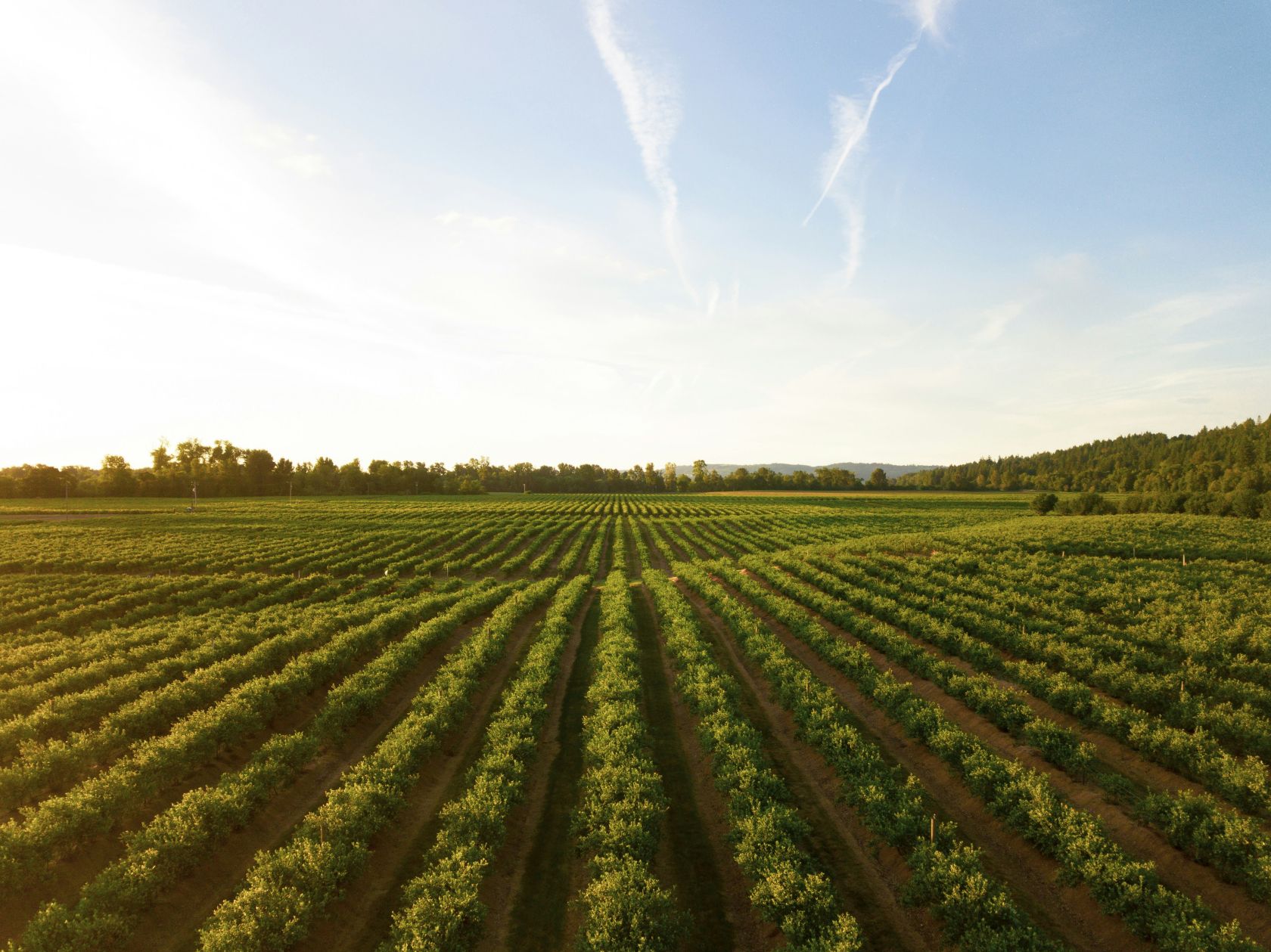
Economic implications are equally significant. Natural insect pollination contributes billions of Euros annually to European agriculture. Without healthy populations of wild pollinators, farmers become increasingly reliant on managed honeybees, whose own health (as dense monocultures) faces challenges from parasites and disease. Researchers warn that widespread pollinator losses could reduce yields of fruits, nuts and vegetables, which will increase production costs and therefore inflate food prices.
Recovery capacity
Yet, this is not an entirely hopeless story. Nature has an extraordinary capacity for recovery, when given the chance. Wildflower margins alongside fields, reduced pesticide use, restored hedgerows, diverse urban planting and more sympathetic land management have all shown encouraging results. Even small gardens can become valuable refuges by planting native flowers, allowing patches of uncultivated grass to grow naturally and avoiding unnecessary chemical treatments.
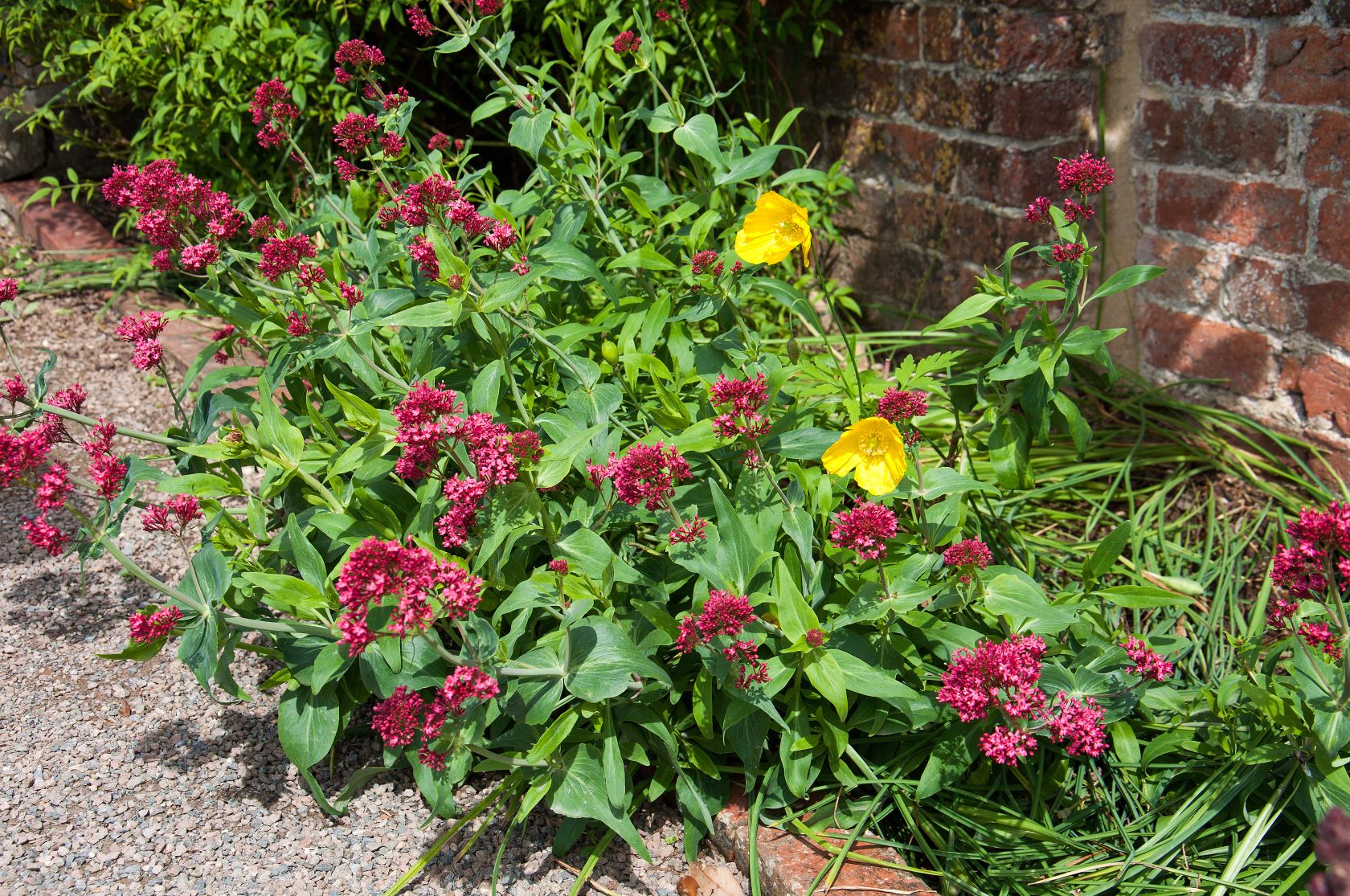
Governments can also help through the implementation of better agricultural policies and practices, encouraging habitat restoration and funding long-term scientific monitoring. Businesses can reduce pesticide dependence and incorporate biodiversity into land management. Individuals can do rather more than they imagine too.
For many of us, insects may just be a bunch of tiny creepy-crawlies, but their importance is absolutely enormous. People rarely appreciate nature until it begins to disappear. Insects are no exception. Their silent decline isn’t simply an idle curiosity; it’s an early warning signal that tells us, in no uncertain terms, that ecosystems are becoming less resilient.
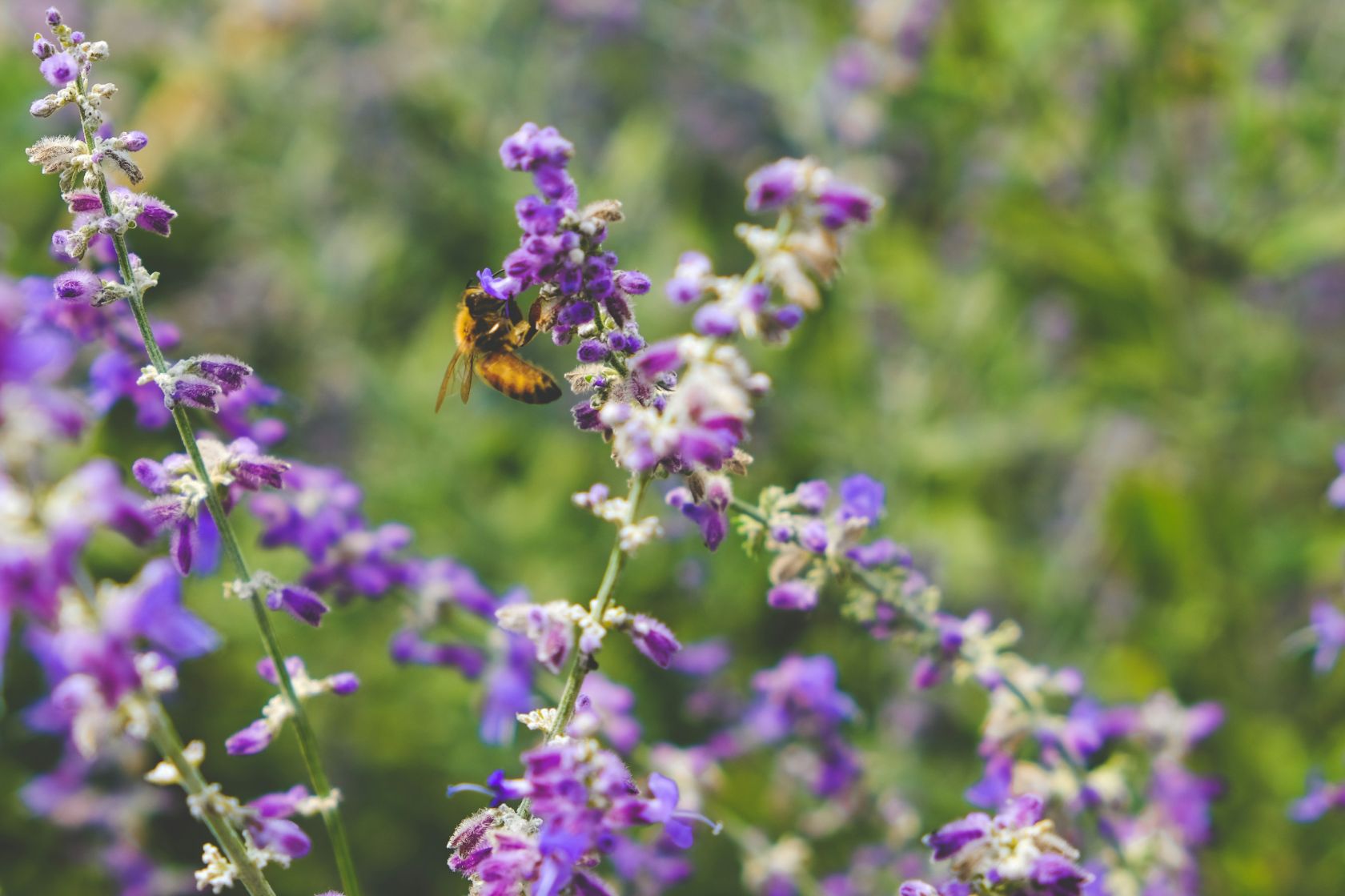
If we continue to ignore these warnings, we may all eventually discover that the smallest creatures always carried the greatest responsibilities. Drivers became remarkably good at noticing when there was an abundance of insects. Now, they are noticing that there are too few, and it’s becoming a very worrying trend.
Set The Portugal News as your preferred source for news on Google
 Add as a preferred source on Google








 Portugal Handbook
 English
 Nederlands
 Deutsch
 Français
 Español
 Italiano
 Svenska
 Pусский
 中文
中文 Türkçe
 Português
 Czech
Czech Hungarian
 Polski
 عربي
عربي Suomi
Suomi עִברִית
 Português (Brasil)
Many thanks for this excellent article.
By Mark from Porto on 16 Aug 2026, 14:45
The writer lives in the UK, if he lived on most parts of the planet where various species of insects suddenly appear with a velocity which is not natural and are plagued by potentially carriers of infectious diseases, you could only laugh about this theory based on evidence from places not disturbed by this horrible little creatures.
By Diogo F. from Madeira on 16 Aug 2026, 20:31